Description
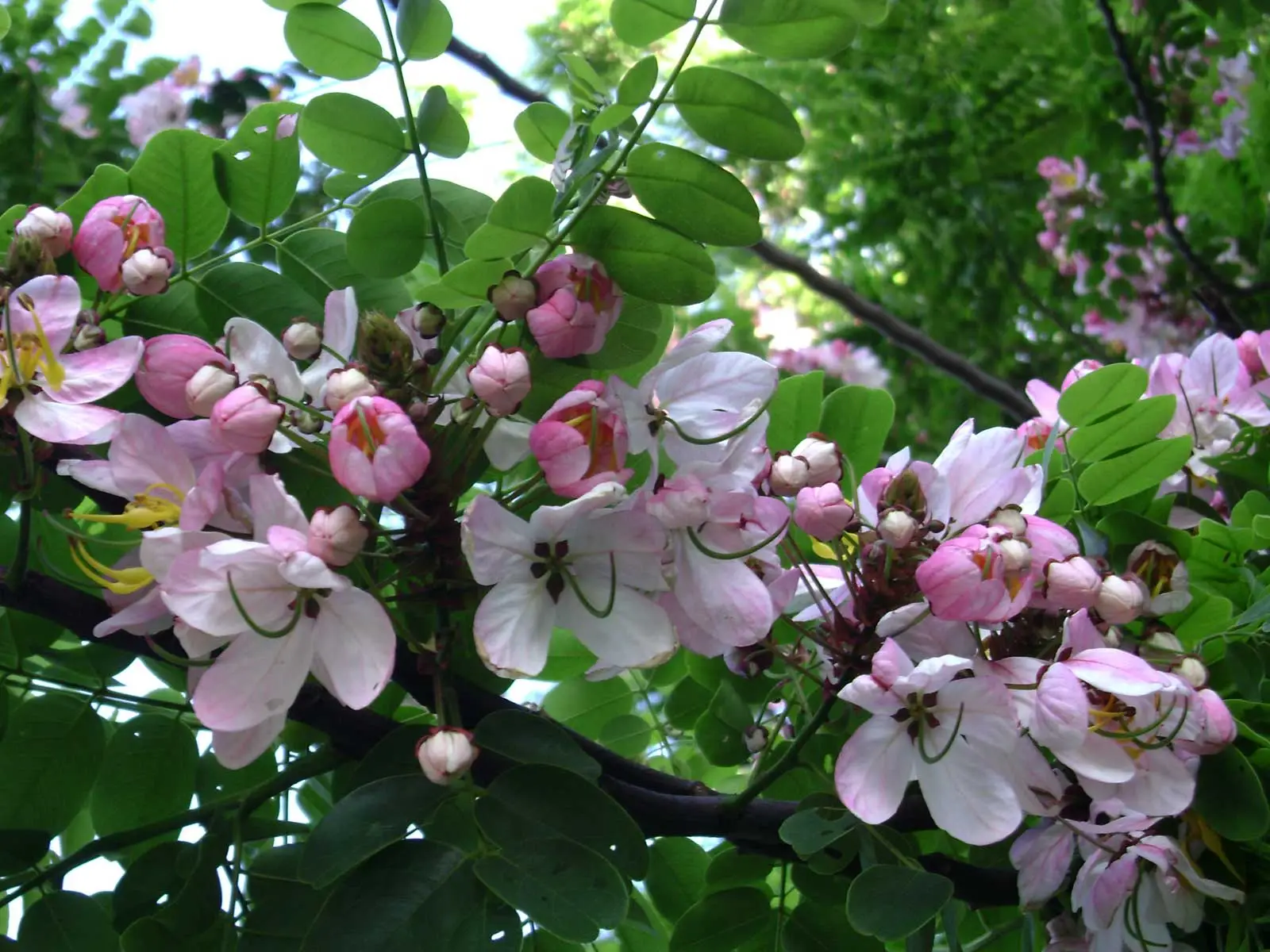
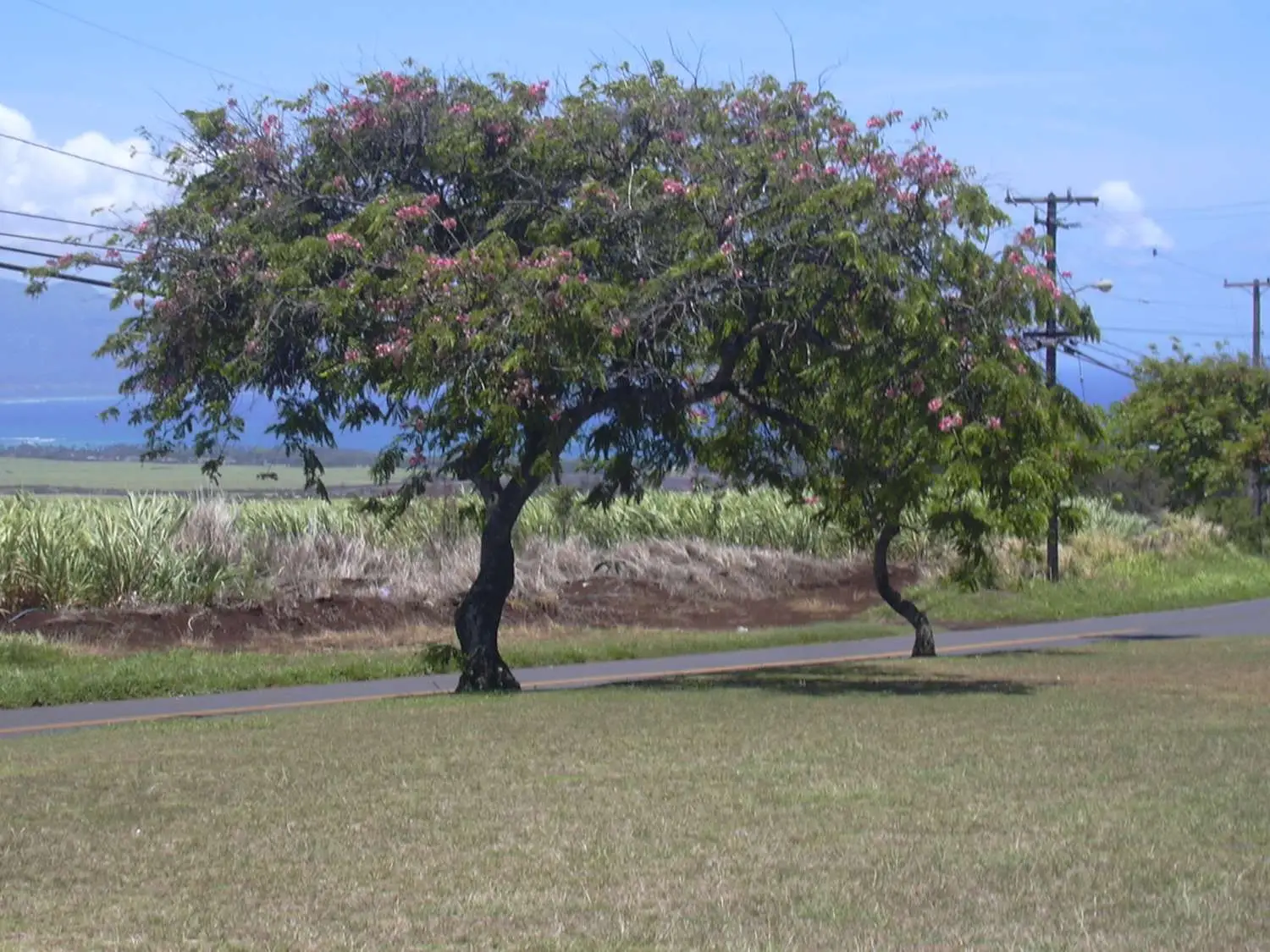
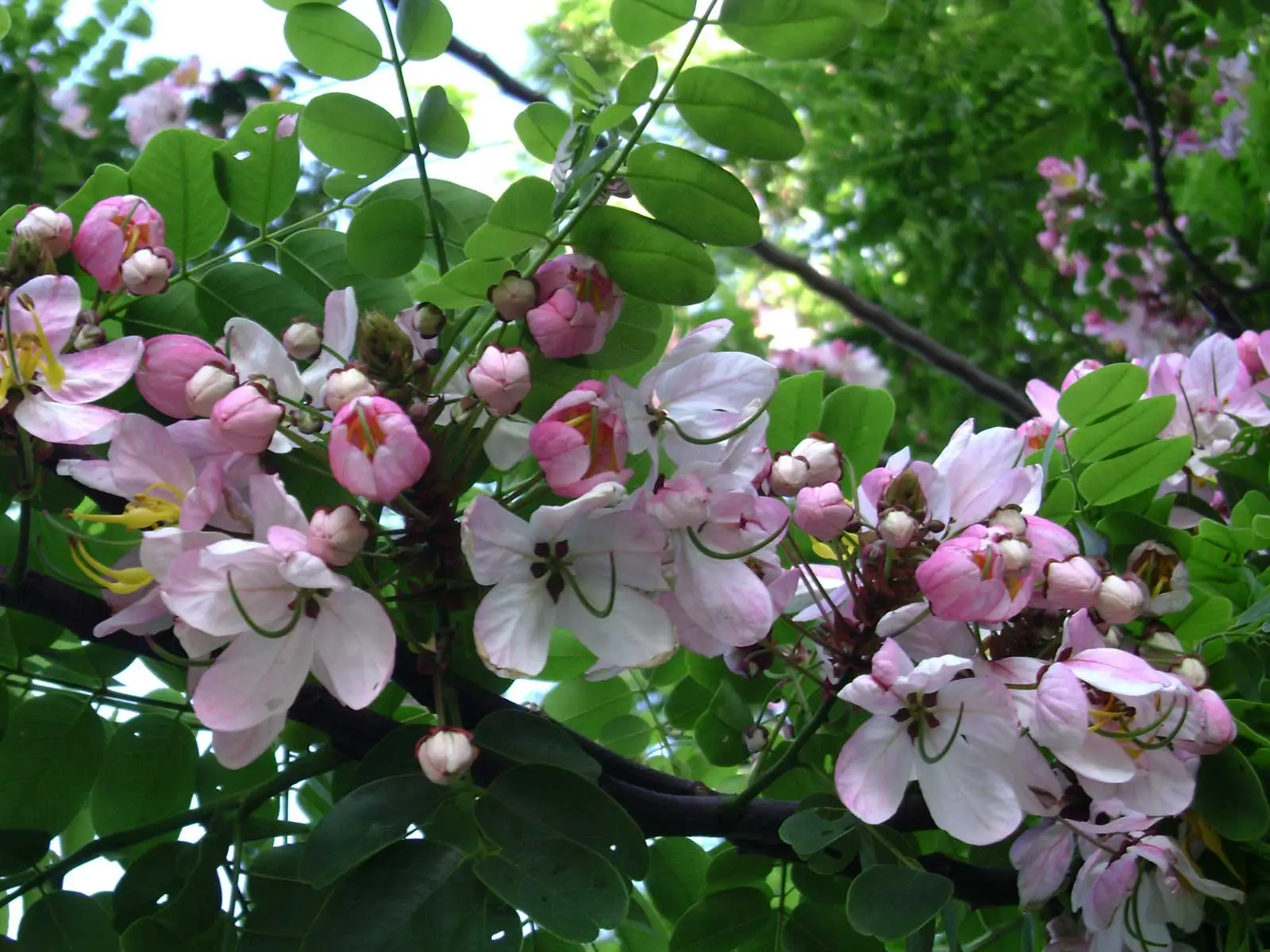
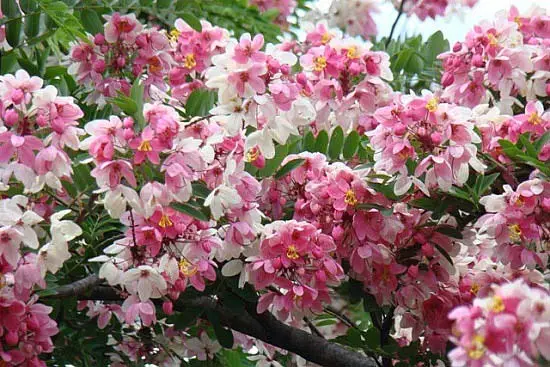
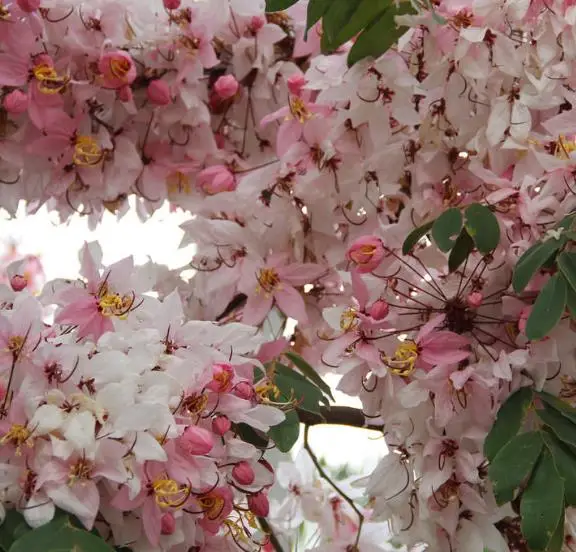
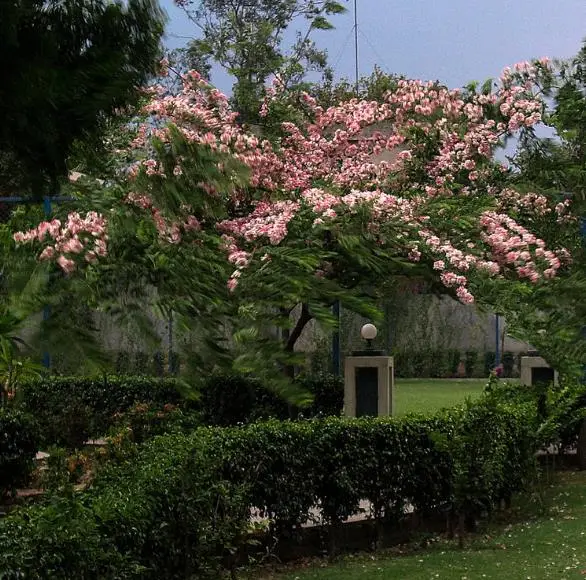
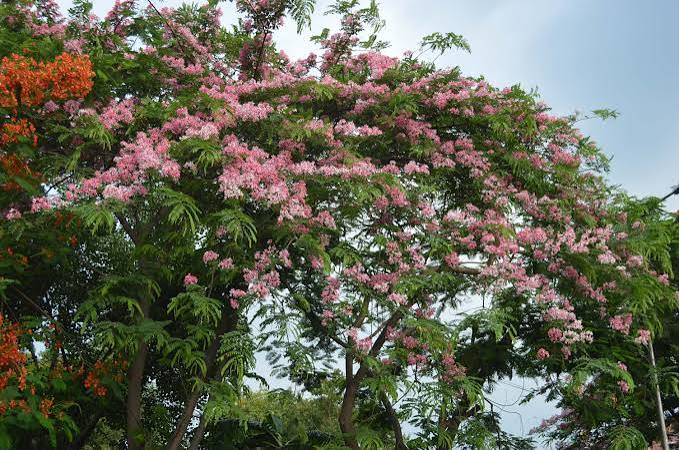
Cassia javanica subsp. agnes (also known as Cassia javanica subsp. nodosa) is a spectacular deciduous to semi-evergreen ornamental tree prized for its profuse display of cascading pink blossoms. Native to Southeast Asia, it typically grows 10 to 20 meters in height, developing a broad, rounded canopy with graceful branches and attractive pinnate foliage composed of numerous glossy green leaflets.
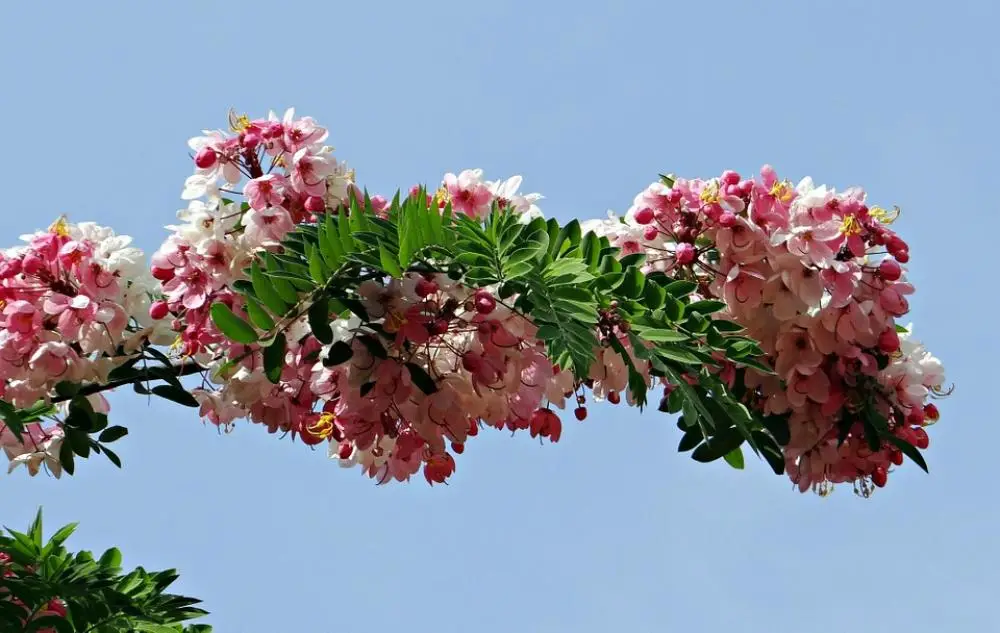
In late spring to early summer, the tree becomes covered with dense clusters of large, showy flowers that emerge in shades of deep pink and gradually fade to pale pink or nearly white as they mature, creating a beautiful multicolored effect. The abundant blooms attract bees, butterflies, and other pollinators. Following flowering, long, cylindrical seed pods develop and persist on the tree for many months, adding additional ornamental interest.
This species thrives in full sun and warm tropical to subtropical climates. It prefers fertile, well-drained soil but adapts to a variety of soil types once established. The tree is moderately drought tolerant and makes an excellent specimen for parks, avenues, and large gardens due to its exceptional floral display.
Germination Guide
🌍 Assam to China (Guangxi, Yunnan) and Peninsula Malaysia
Moderate
Cassia javanica subsp. agnes, commonly known as pink shower tree or apple blossom tree, is a fast-growing tropical tree native to Southeast Asia. The agnes subspecies is most valued as an ornamental for its larger, vibrant pink flowers that fade to white with age. Seed germination requires pre-treatment to overcome the hard, impermeable seed coat, followed by warm, moist conditions for successful establishment.
Germination
Germination time
Expect germination in
5 – 30 days
Temperature
Min 18°C
Ideal 22°C
Max 26°C
Substrate moisture
💧💧 High
Seed Pre-treatment
-
💧
Soaking — 24 hours
Soak in hot water (just boiled) overnight or in warm water for 12-24 hours; alternatively, scarify mechanically and then soak in room temperature water for 24-48 hours. Change water daily. Seeds that swell are ready to sow; re-treat those that do not swell
-
🔨
Mechanical scarification
Mechanical scarification (rubbing with sandpaper or rasp) or hot water treatment required to break hard seed coat; seeds that swell can be sown immediately
-
📋
Additional notes
Mechanical scarification or hot water immersion required to overcome seed dormancy caused by impermeable seed coat
Substrate & Container
Recommended substrate
Well-drained, light, porous, pathogen-free substrate or sandy loam mixed with organic matter
Recommended container
Plastic pot with drainage holes; use transparent lid to maintain humidity and open every other day for air exchange
Growing Tips
Use fresh seeds for best results; store-bought seeds should be pre-treated. Scarify seeds by rubbing with sandpaper or immerse in just-boiled water overnight before soaking. Do not allow seeds to dry out after soaking. Maintain soil temperature between 20-26°C for optimal germination. Seeds need light to germinate; do not cover entirely with substrate. Use artificial lighting (fluorescent or LED) if natural light is insufficient, avoiding direct sunlight. After germination, acclimatize seedlings gradually over 4-12 weeks before exposure to full sun. Protect young plants from frost as Cassia javanica is sensitive to cold temperatures. Keep soil consistently moist but not waterlogged to prevent root rot. Germination is typically rapid (5-30 days) when pre-treatment is properly performed, though some seeds may germinate much later. Ensure excellent drainage to prevent fungal issues. Seedlings benefit from gentle air circulation provided by opening pot covers regularly.
Only logged in customers who have purchased this product may leave a review.

Reviews
There are no reviews yet.