Germination Guide
🌍 India, Pakistan, and Middle East (native primarily to India and Punjab region extending into Pakistan)
Difficult
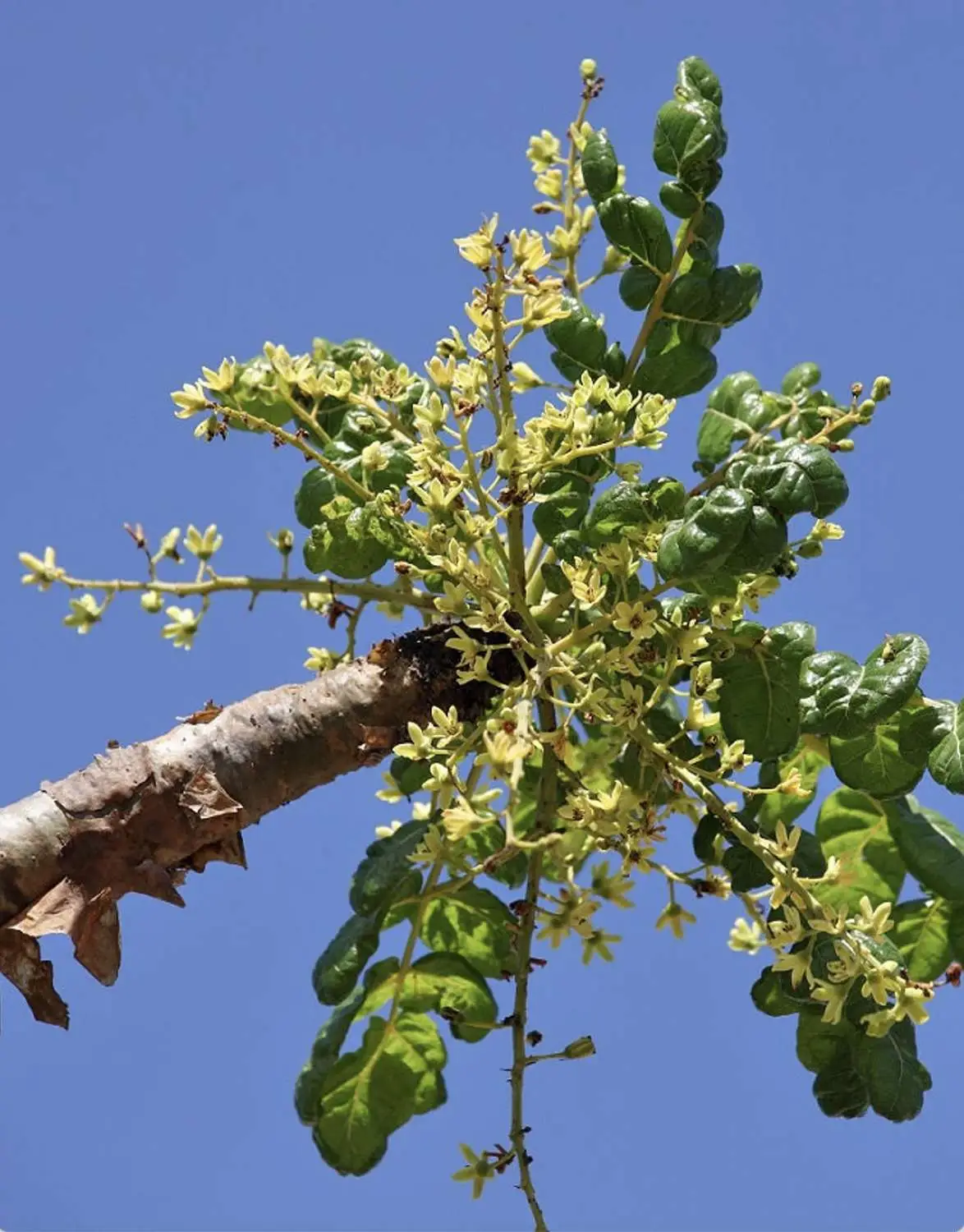
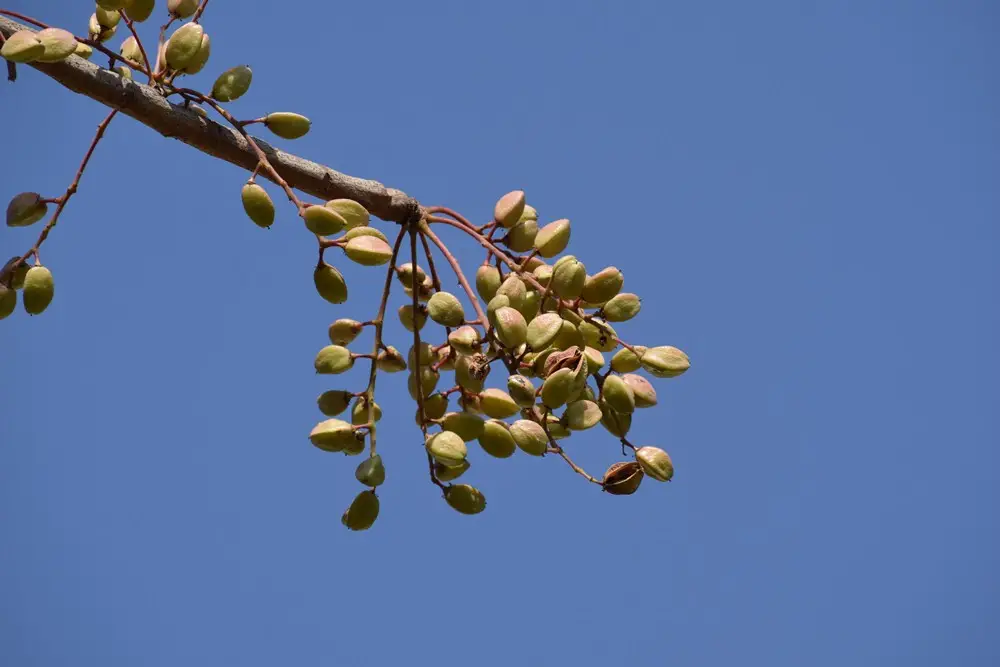
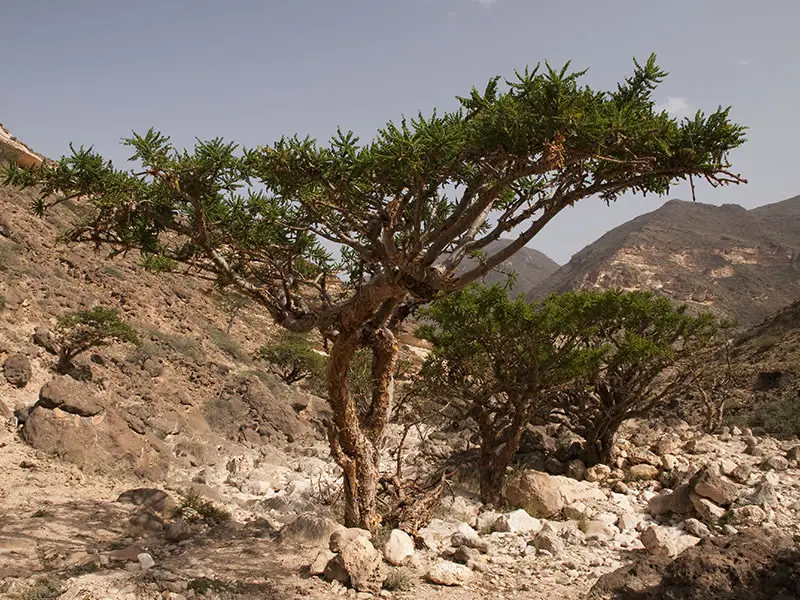
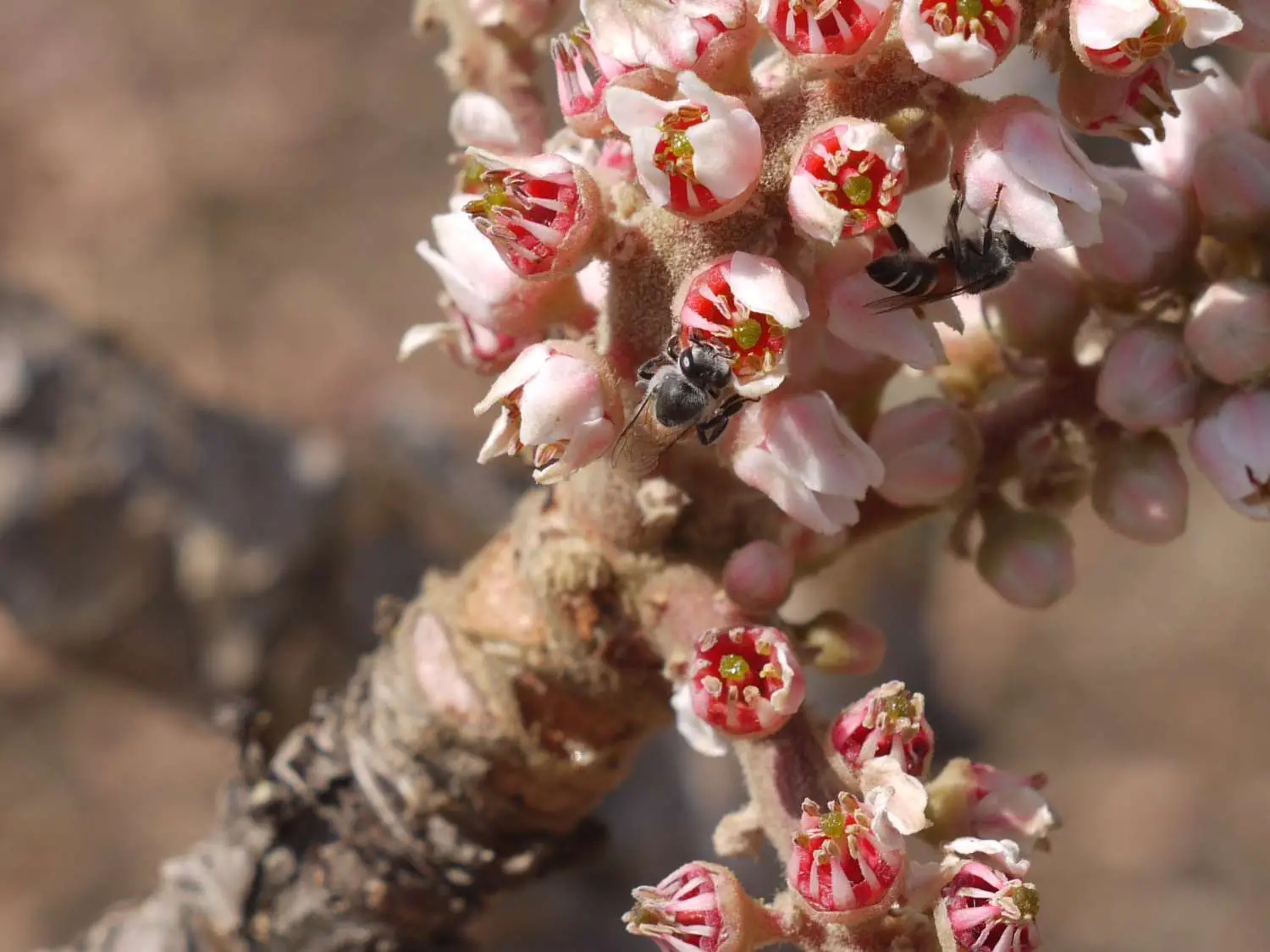
Boswellia serrata, commonly known as Indian frankincense, is a medium to large deciduous tree native to India and Pakistan that produces valuable gum resin used in traditional Ayurvedic medicine and aromatherapy. The species is endangered and shows poor natural seed germination due to high proportions of empty seeds and low viability, though freshly collected seeds can reach 73% germination. This species requires careful seed selection and specific germination conditions, making it moderately difficult to propagate from seed.
Germination
Germination time
Expect germination in
7 – 28 days
Temperature
Min 20°C
Ideal 23°C
Max 30°C
Substrate moisture
🏜️ Low
Seed Pre-treatment
-
💧
Soaking — 12 hours
Soaking in water at 20°C to 30°C for 12 hours or overnight improves hydration and separates sterile pyrenes (which float). Can also be soaked for 7 hours to effectively remove empty seeds before sowing.
-
📋
Additional notes
Pre-treatment is recommended but not strictly required. Soaking is the primary recommended pre-treatment. Gibberellic acid (GA3) at 750 ppm for 36 hours can significantly improve germination rates to 88% after 30 days.
Substrate & Container
Recommended substrate
40% coco coir or peat combined with 60% coarse sand, perlite, or fine gravel; pH 6.0-7.5
Recommended container
Small pots with drainage holes
Growing Tips
Seeds have variable viability and may contain up to 90% empty seeds lacking viable embryos. Perform a float test by soaking seeds in water for 7 hours to identify and remove sterile pyrenes and empty seeds before sowing. Highly sensitive to excess moisture and fungal pathogens; ensure excellent drainage and air circulation to prevent damping-off. Water sparingly and allow soil surface to dry slightly between waterings. Keep soil consistently moist but not waterlogged during germination. Place in a warm, bright location with indirect sunlight. Germination can be slow (7-28 days) and sporadic. Transplant seedlings once they have several true leaves and are stable. Boswellia serrata is adapted to arid, dry environments and performs best in fast-draining, well-aerated soils. Seeds have short dormancy and should be used fresh; viability drops significantly after 6-9 months of storage.
Only logged in customers who have purchased this product may leave a review.







Reviews
There are no reviews yet.