Description
Tulsi isn’t just an herb—it’s a 3,000-year-old medicine that transforms how your body meets stress.
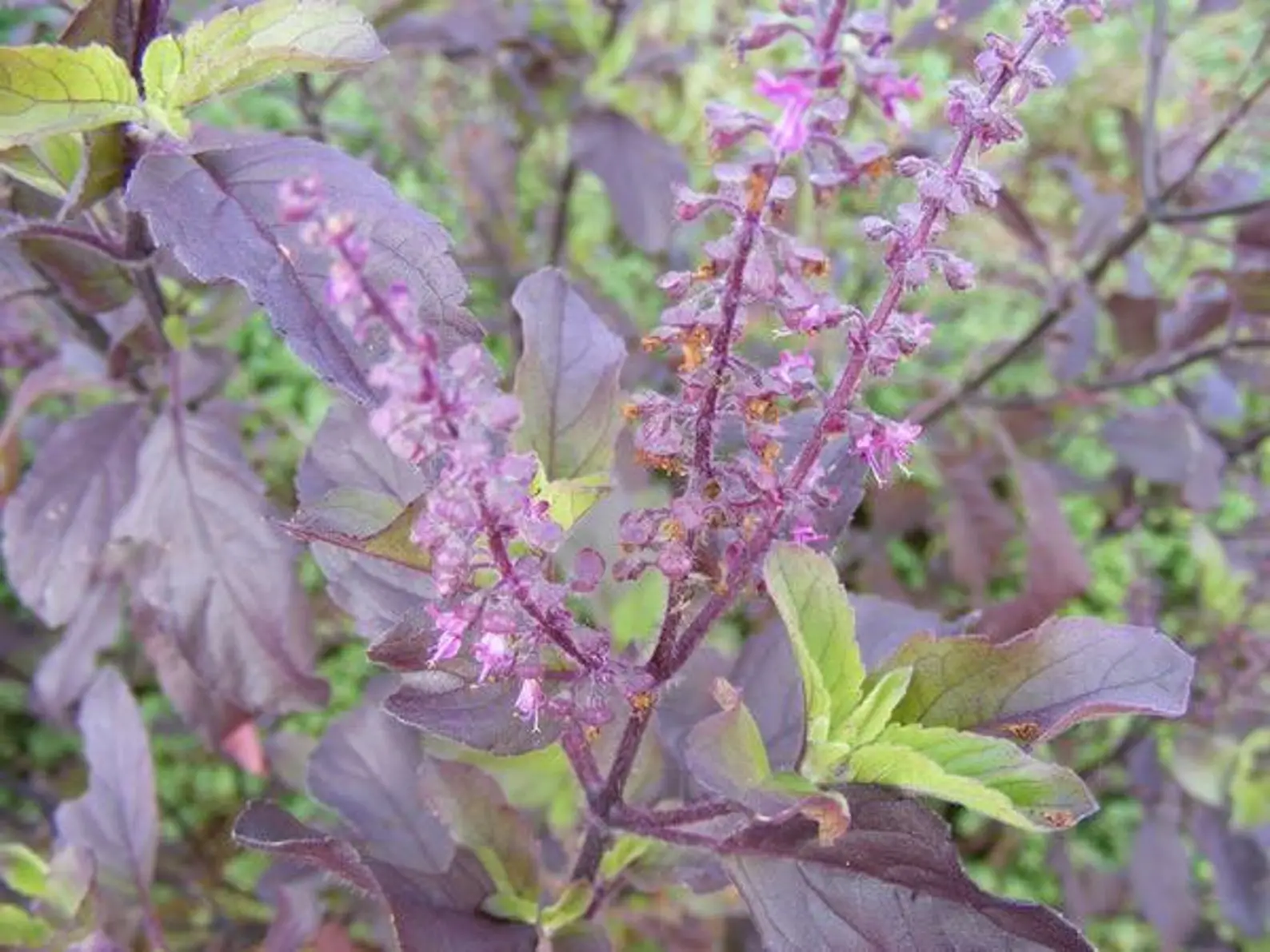
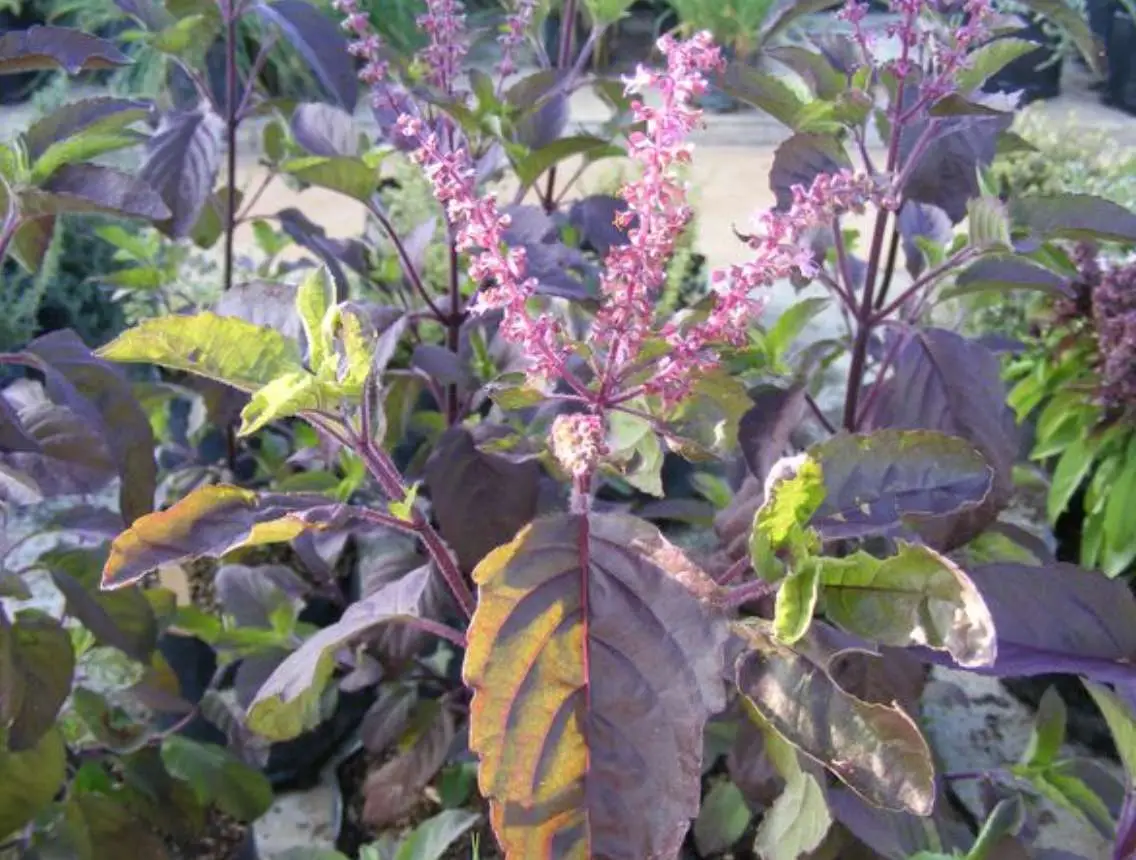
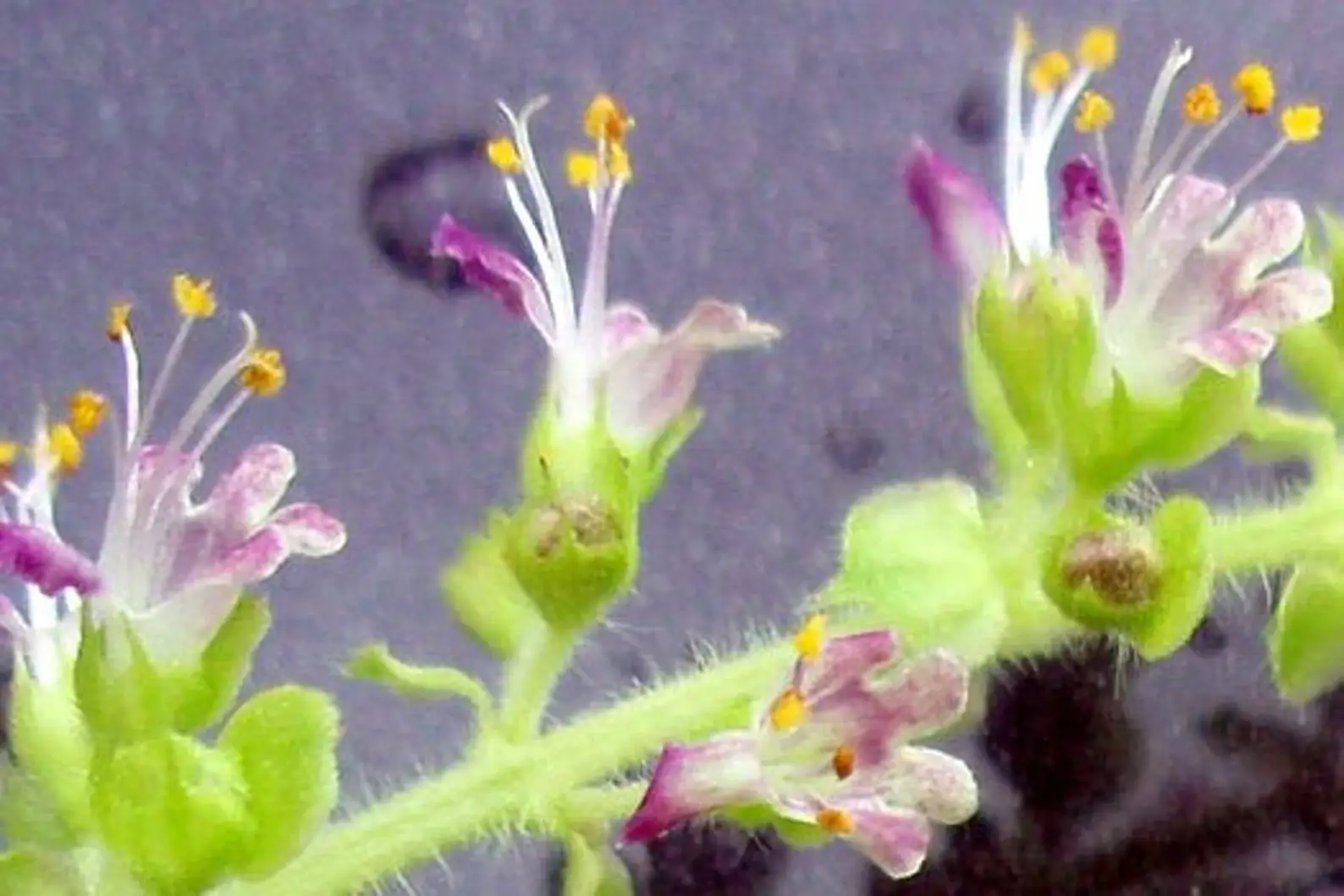
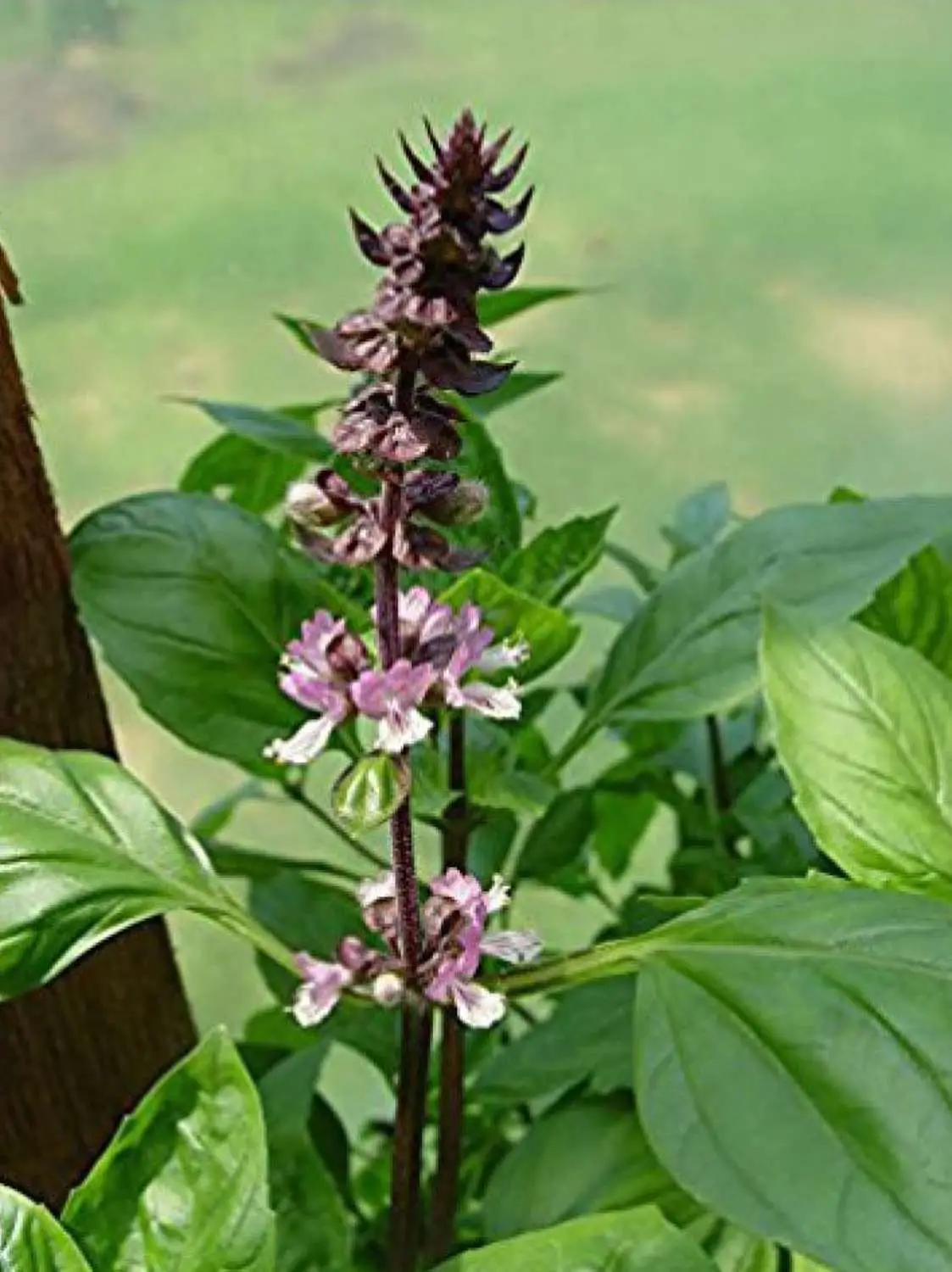
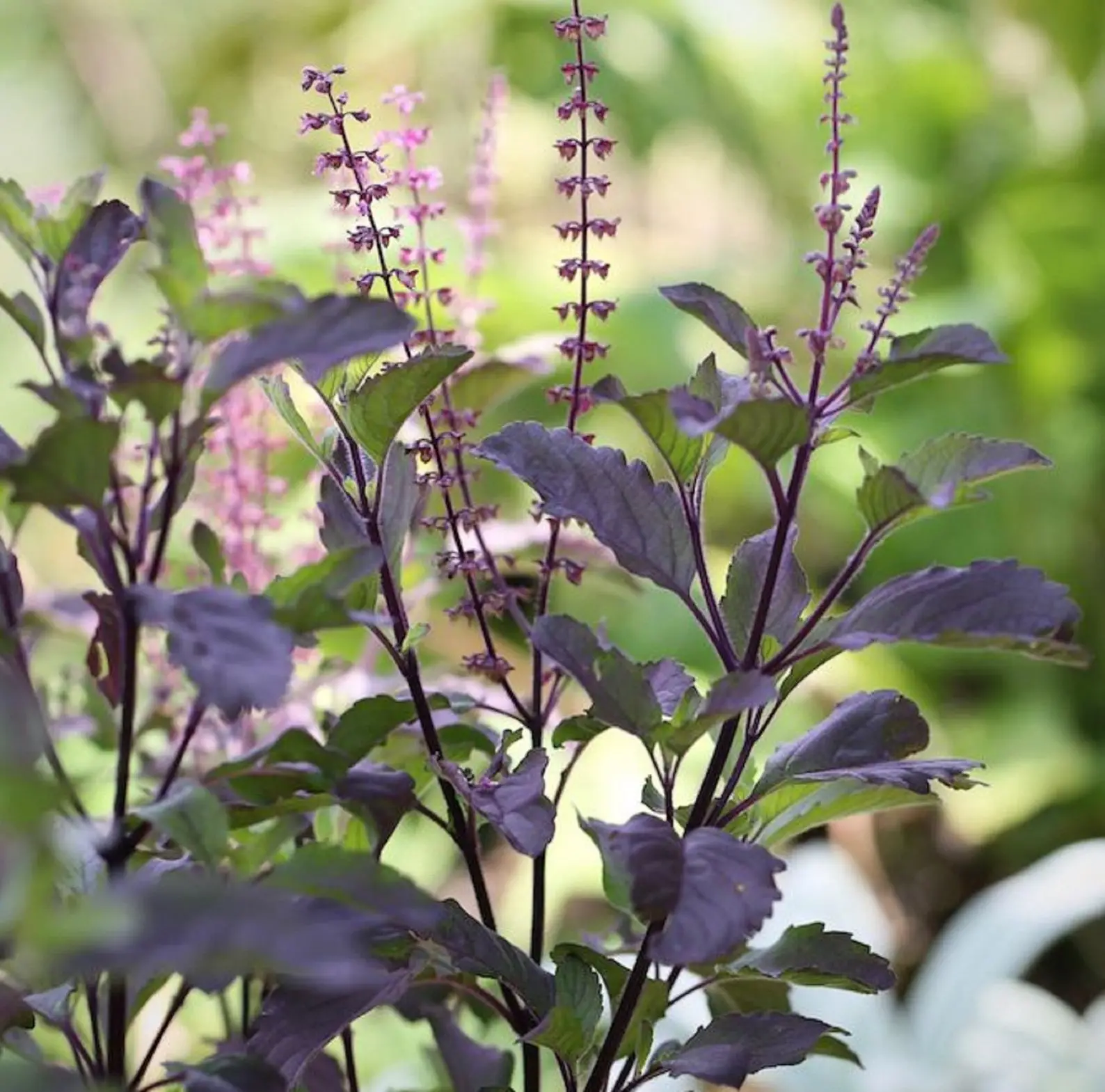
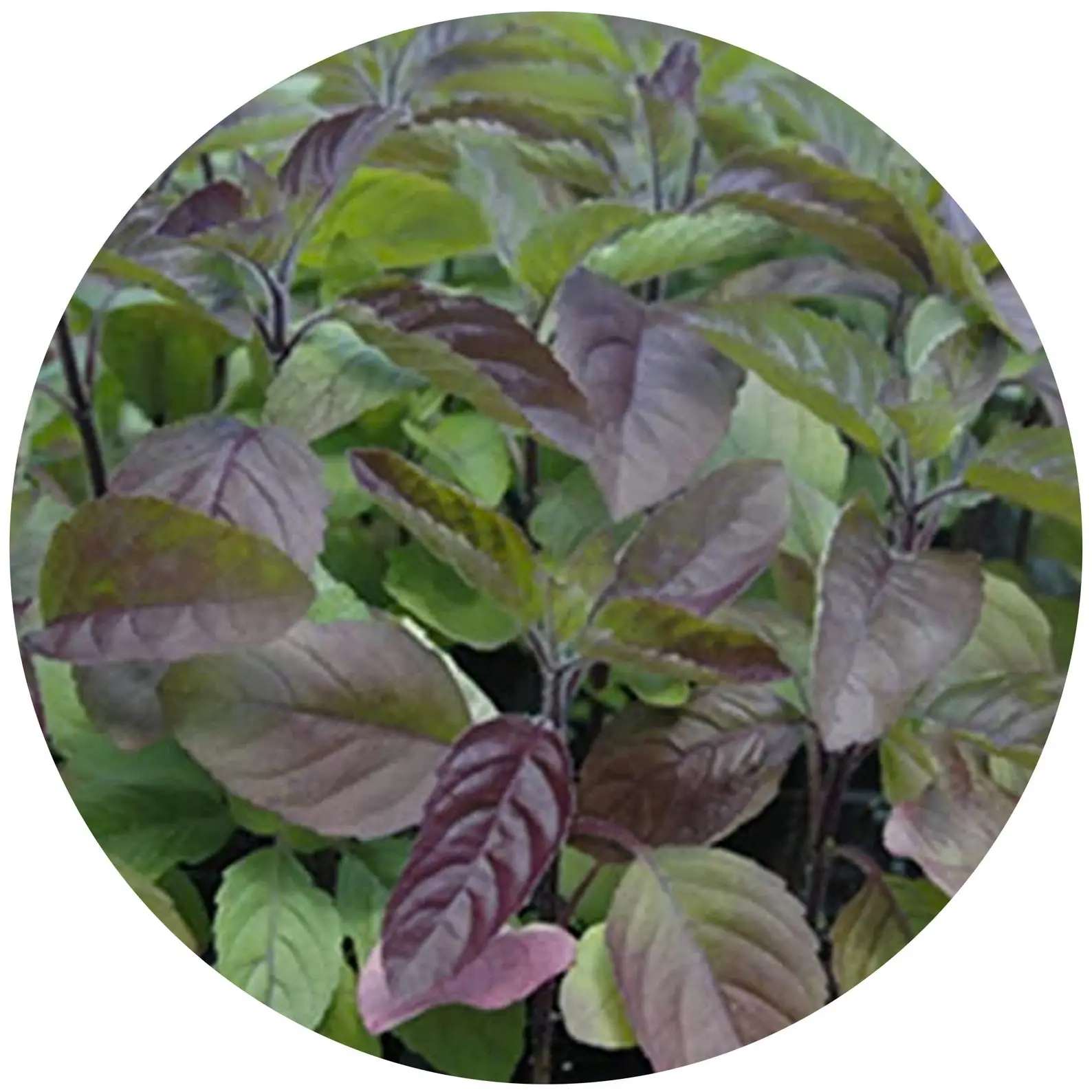
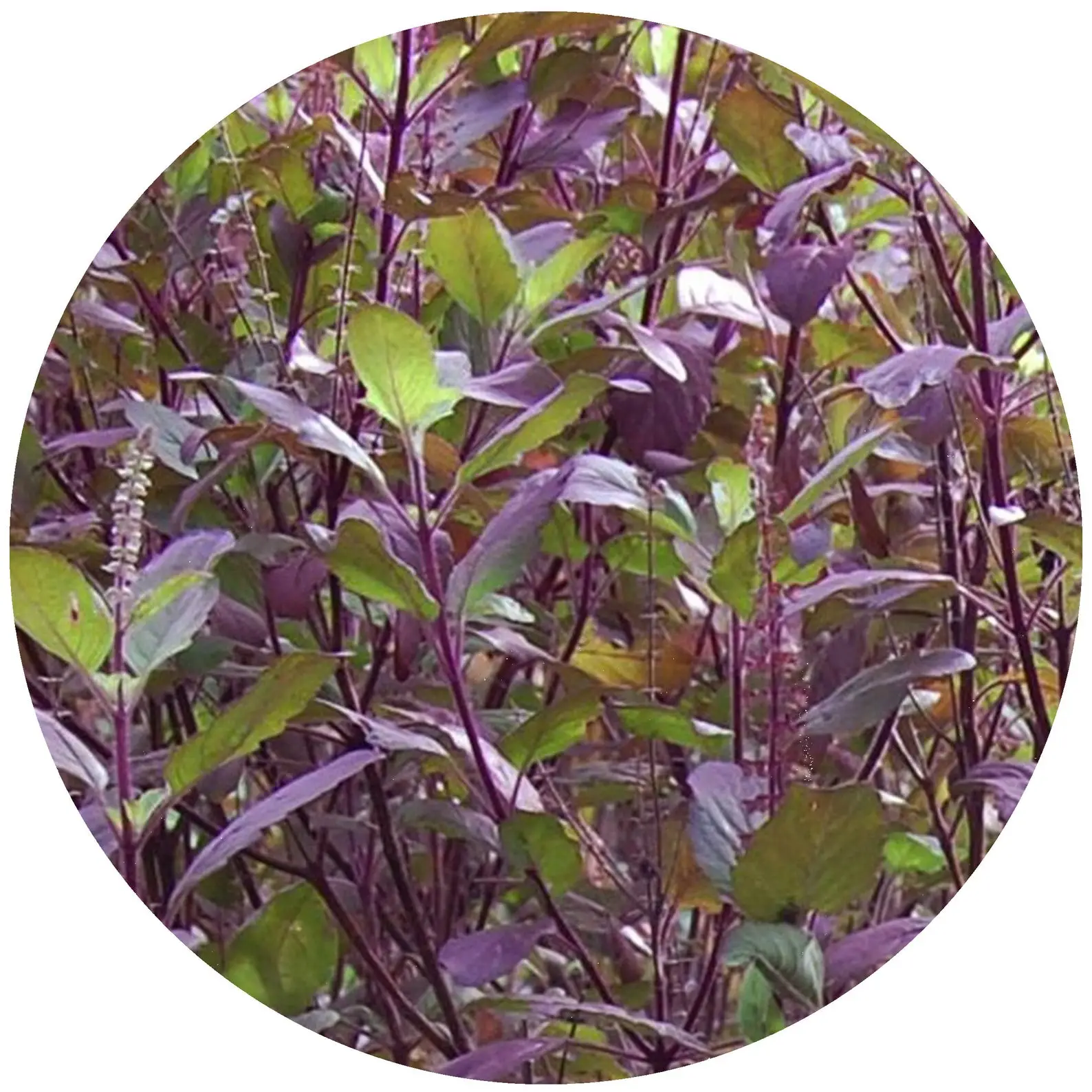
Native to the Indian subcontinent and sacred in Hindu tradition, Ocimum tenuiflorum (holy basil, tulsi, “The Incomparable One”) has been the cornerstone of Ayurvedic medicine and increasingly validated by modern science. The purple-leaf variety (Krishna Tulsi) is prized for its deeper concentration of medicinal compounds and stronger, spicier flavor profile than its green-leaf cousins.
Why tulsi matters: It’s classified as an adaptogen—a rare plant category that helps your body adapt to physical, chemical, metabolic, and psychological stress. Unlike stimulants that jolt you awake or sedatives that knock you out, tulsi works with your nervous system to restore balance. Clinical studies show it reduces anxiety, exhaustion, and sleep disturbances within weeks. Its bioactive compounds—eugenol, ursolic acid, rosmarinic acid, apigenin—are also potent antioxidants and anti-inflammatories. Users report feeling grounded, calm, and mentally sharp. Many herbalists now consider it essential as an everyday wellness ally, as important as green tea or coffee, but nourishing rather than depleting.
How to use your harvest: Fresh or dried tulsi leaves steep into an aromatic, peppery-clove-scented tea with subtle floral notes. A morning cup sharpens focus and builds resilience; an evening cup soothes without drowsiness. The leaves are also used in cosmetics and skincare for their anti-inflammatory, antioxidant properties. Some growers preserve leaves for year-round use, freeze them into ice cubes for infusions, or dry bundles for long-term storage.
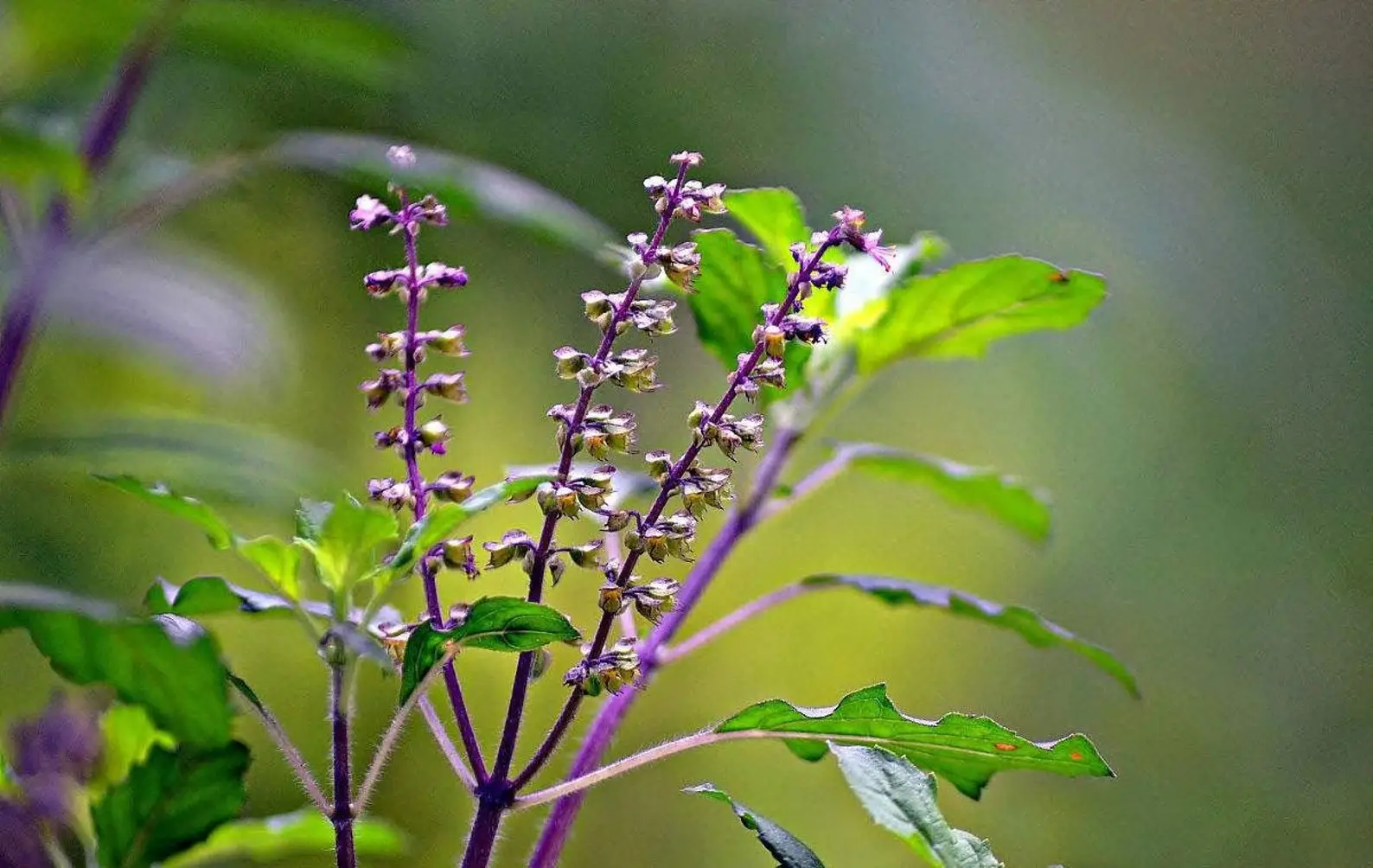
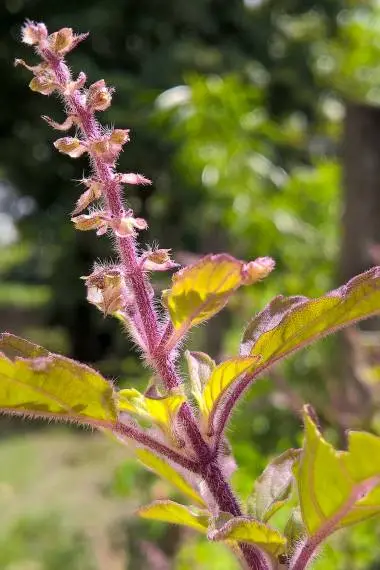
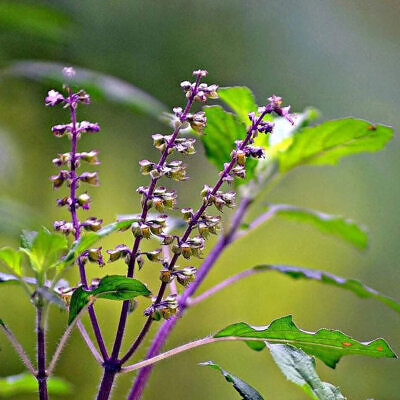
Growing tulsi is straightforward and rewarding. It thrives in warm, sunny locations (6–8 hours of direct sun daily) and well-draining, fertile soil with pH 6–7.5. You can start seeds indoors 3–4 weeks before your last frost—they germinate in 6–12 days under warmth and light. The purple-leaf variety grows vigorously into a bushy, attractive subshrub with delicate purple-tinged flowers that attract bees and pollinators. Harvest regularly (4–6 times per summer) by pinching leaves above leaf nodes; this encourages bushier growth and continuous abundance. Water moderately and fertilize every 4–6 weeks during the growing season. In tropical/subtropical zones (10+) it’s a perennial; elsewhere, grow it as a summer annual or year-round houseplant in a sunny window. The plant rewards attention with fragrant foliage and the deep satisfaction of tending a sacred herb.
Grow Ocimum tenuiflorum from seed and join thousands of home herbalists who’ve made tulsi their daily medicine. From seed to harvest to cup—you’ll experience the incomparable wellness this herb has promised for millennia.
Germination Guide
🌍 Indian subcontinent, tropical and subtropical Asia
Easy
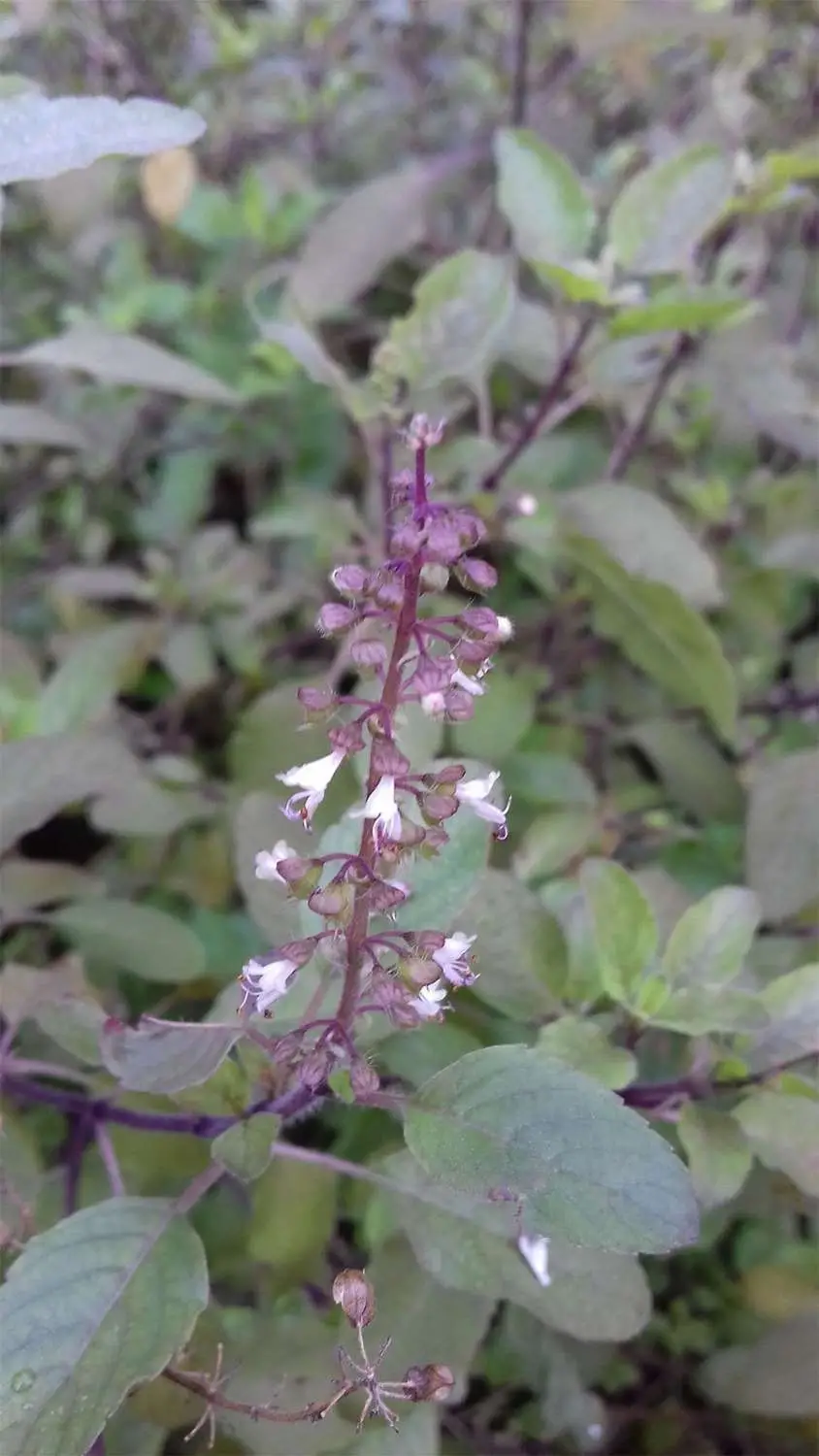
Holy basil (Ocimum tenuiflorum), also known as Tulsi, is an aromatic herb native to the Indian subcontinent and revered in Ayurvedic medicine and Hindu culture. The species requires light for germination and thrives in warm conditions, making it ideal for seed propagation indoors or in tropical climates. Seeds are very small and must be handled carefully, with shallow sowing and consistent moisture essential for reliable germination.
Germination
Germination time
Expect germination in
5 – 14 days
Temperature
Min 20°C
Ideal 25°C
Max 30°C
Substrate moisture
💧 Medium
Sowing depth
Lightly covered
Substrate & Container
Recommended substrate
Fine, well-draining seed-starting mix with 60% coconut coir or peat and 40% perlite or fine sand
Recommended container
Seed trays or small pots with drainage holes
Growing Tips
Seeds are extremely small and require light to germinate; sow on or just barely below soil surface, pressing lightly into the substrate. Use fine mist or bottom watering to prevent seed disturbance and maintain evenly moist but not waterlogged conditions. Provide strong light immediately after germination (12-16 hours daily from grow lights or sunny window) to prevent leggy seedlings. Temperatures below 18°C significantly slow germination; optimal range is 21-29°C with 25°C ideal for vigor. Provide good air circulation to prevent damping-off disease. Seedlings can be transplanted when 5-10 cm tall with several true leaves. Plant 1/4 inch (0.6 cm) deep when transplanting. Once established, holy basil prefers consistently moist but well-drained soil and full sun.
Only logged in customers who have purchased this product may leave a review.

Reviews
There are no reviews yet.