Description
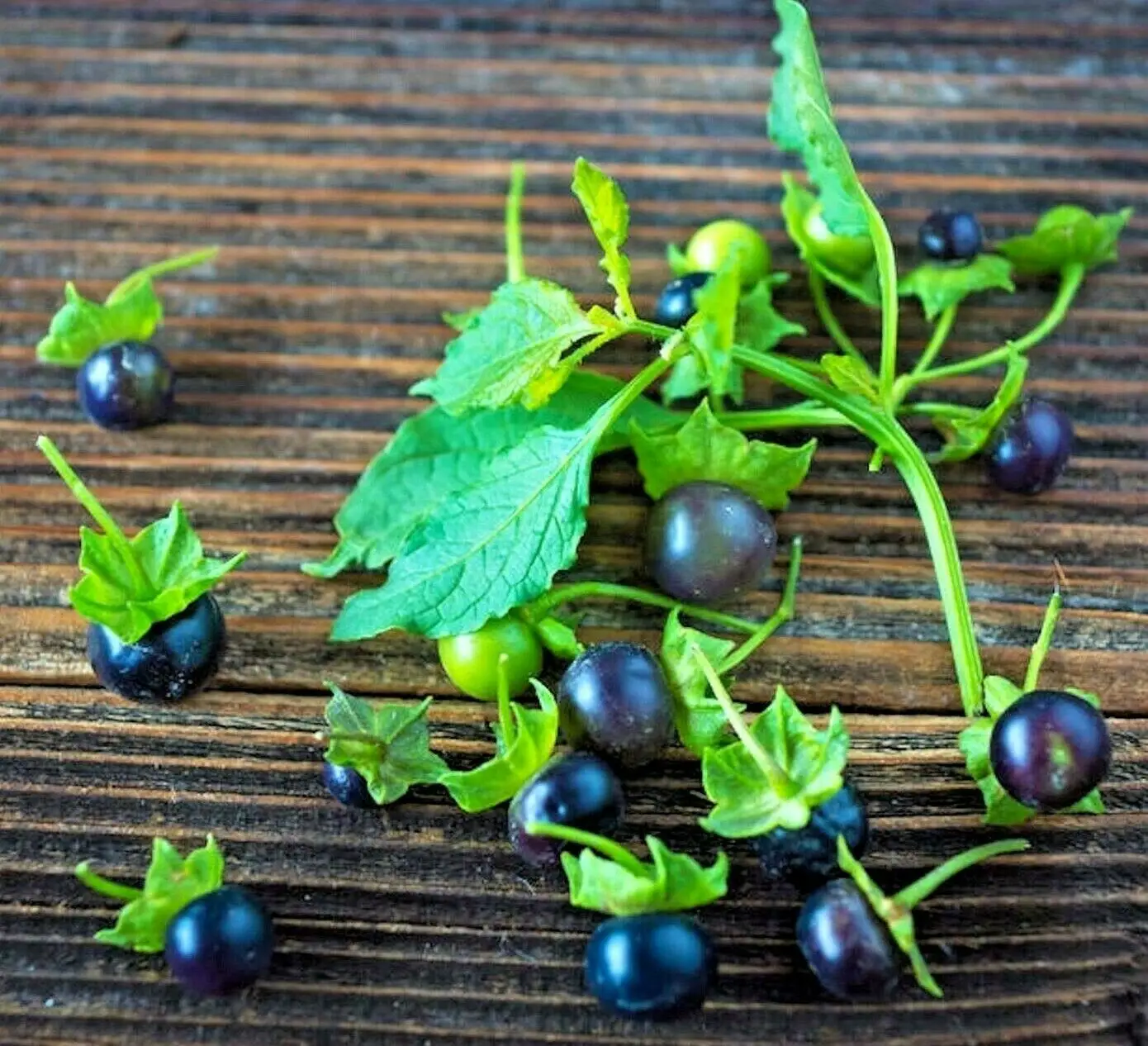
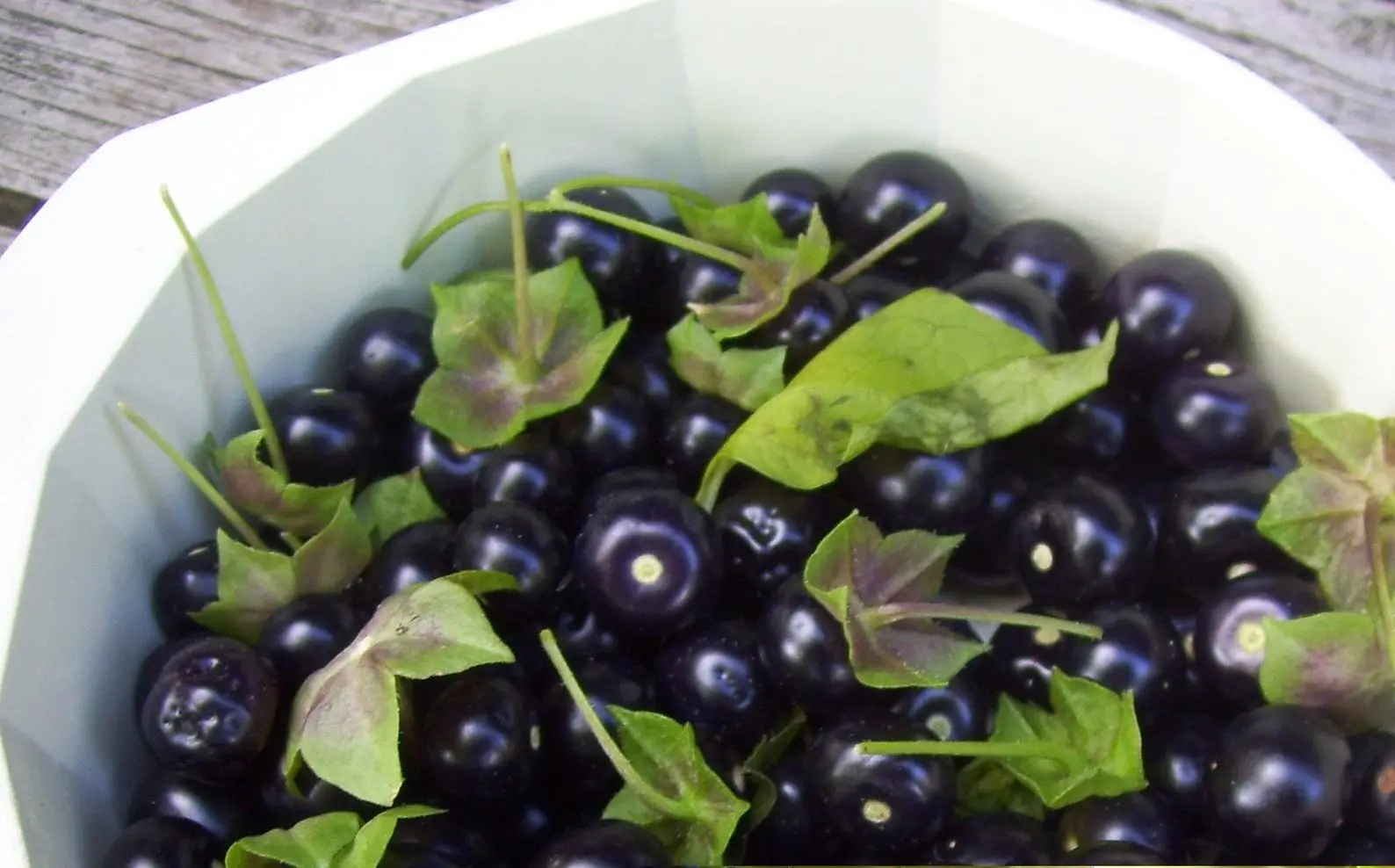
Imagine biting into a glossy black berry no larger than a blueberry, releasing a burst of sweet-sour juice with an intoxicating grape-like aroma—this is the magic of Jaltomata procumbens, the ancient xaltomatl that has fed indigenous peoples and graced Mexican kitchens for centuries.
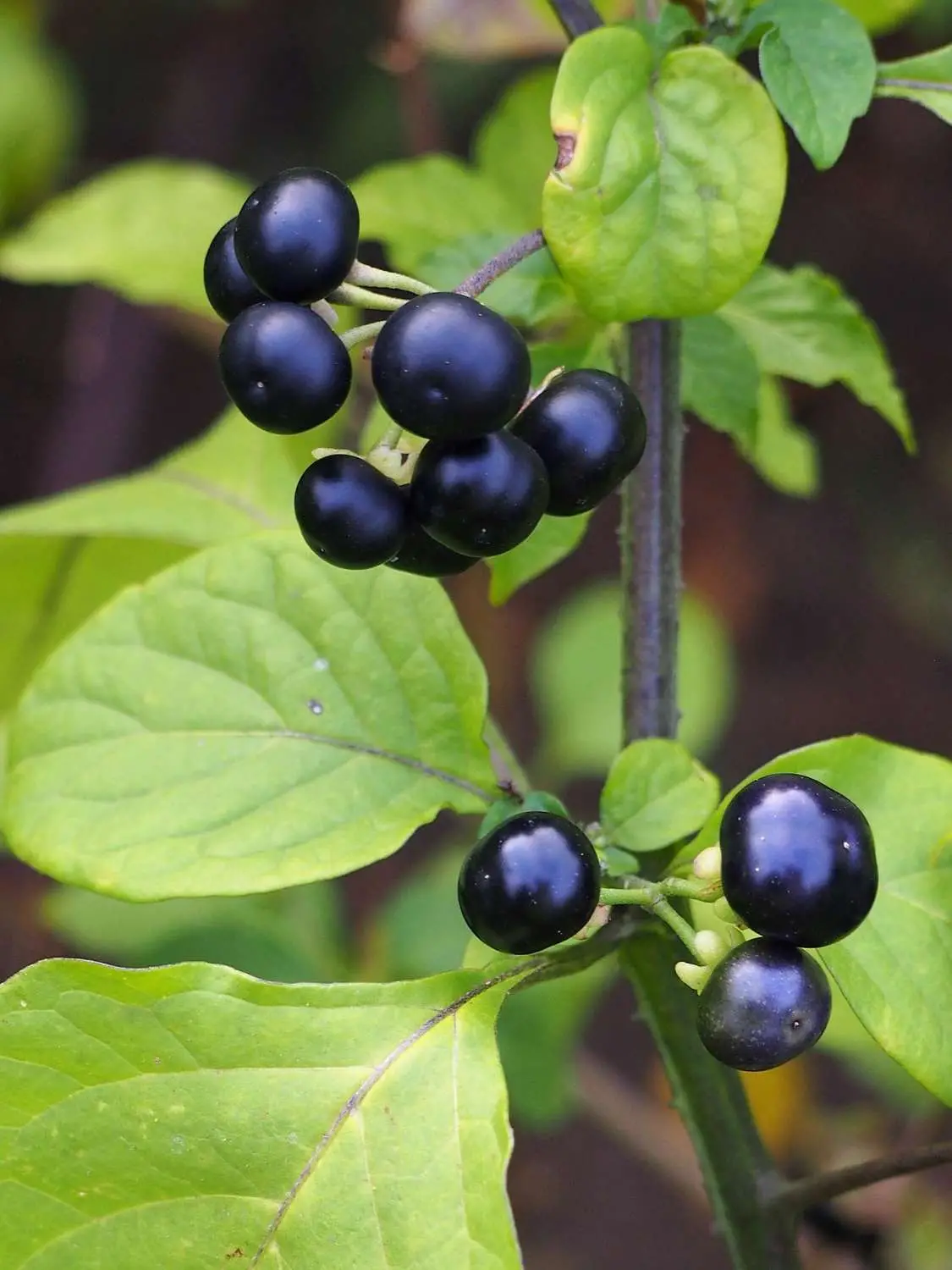
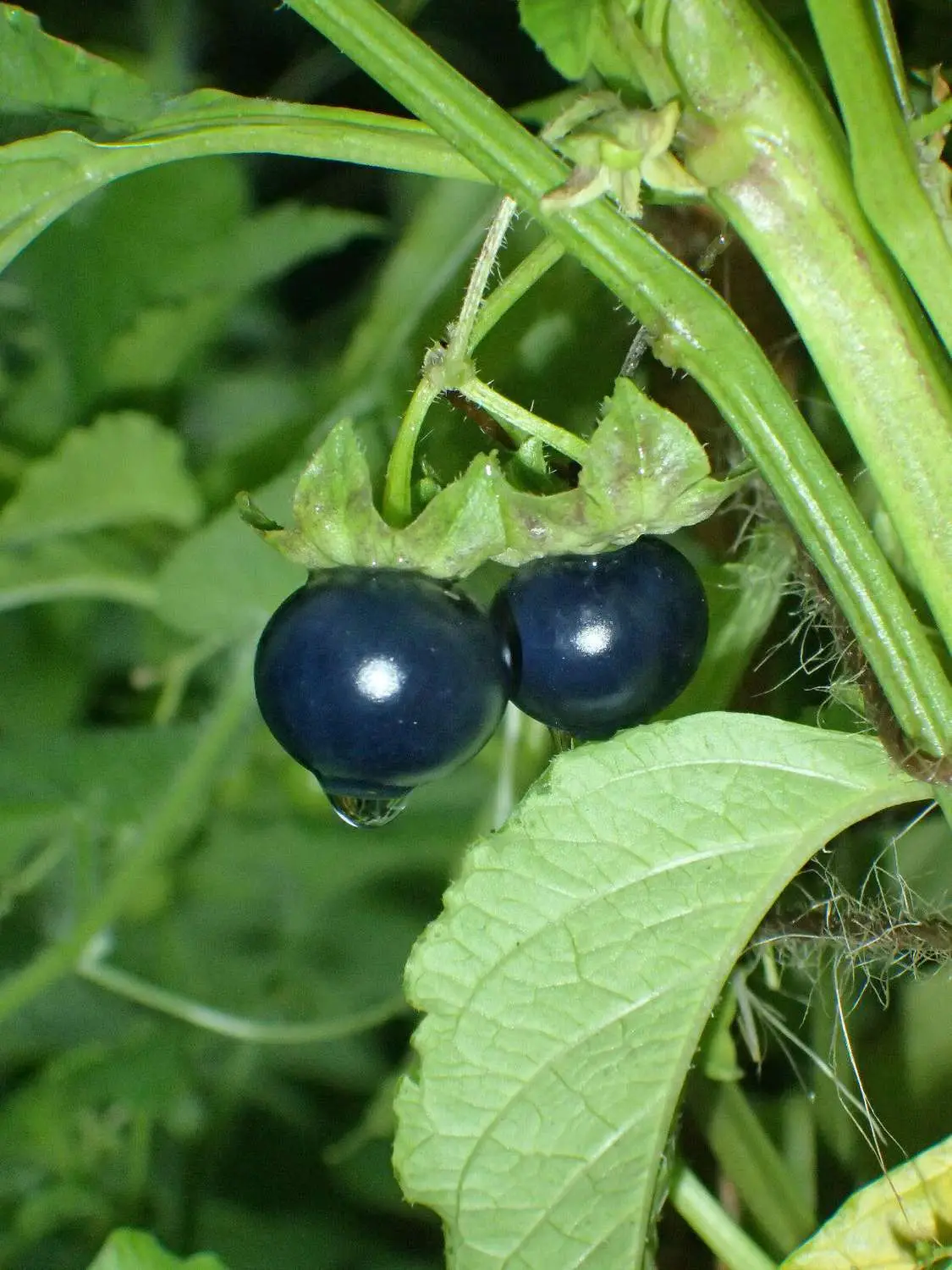
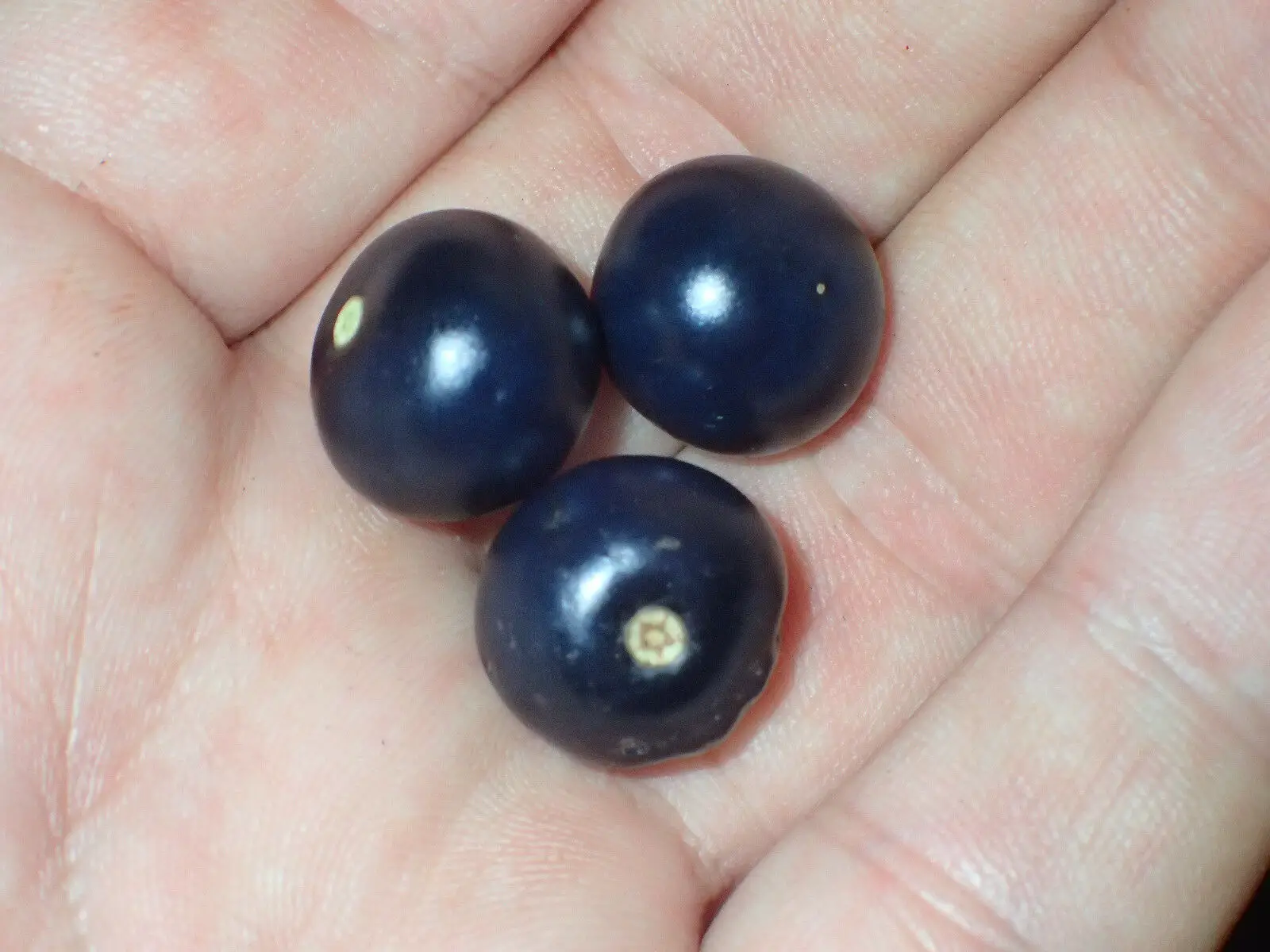
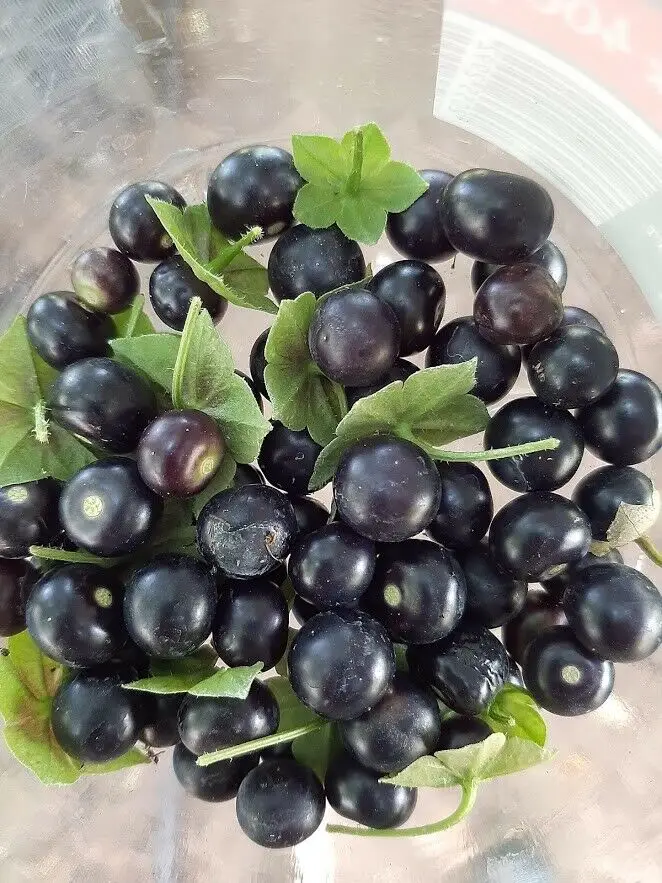
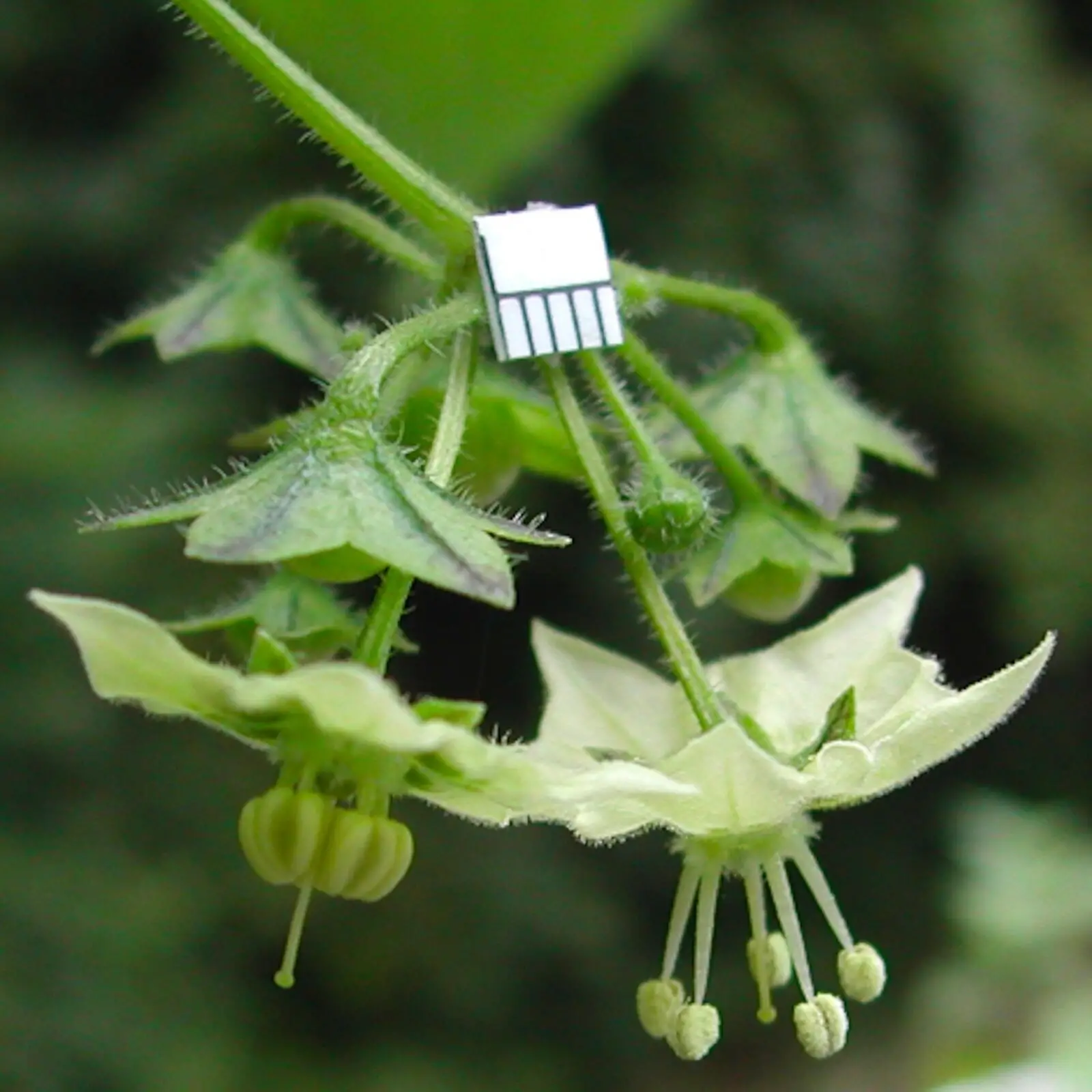
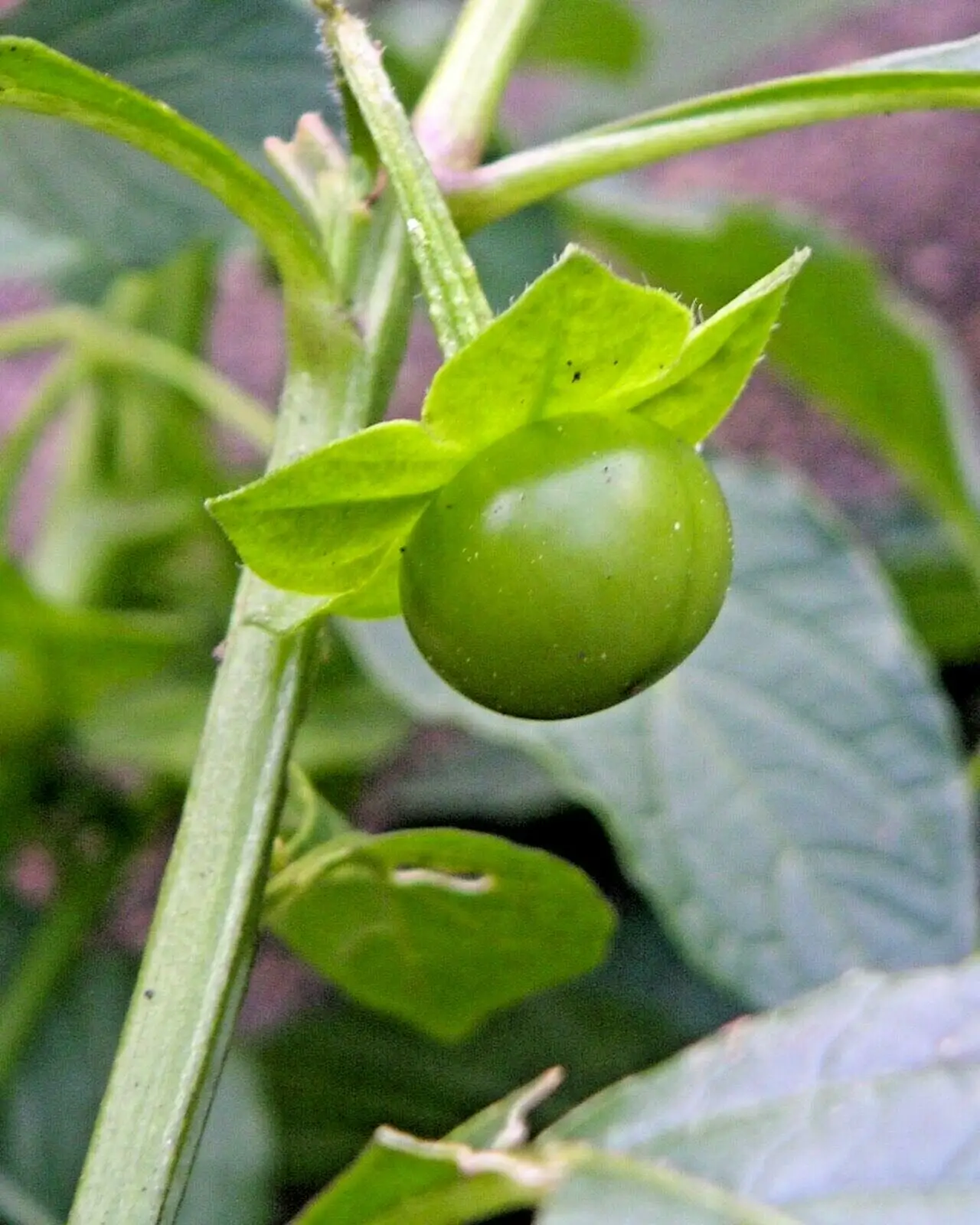
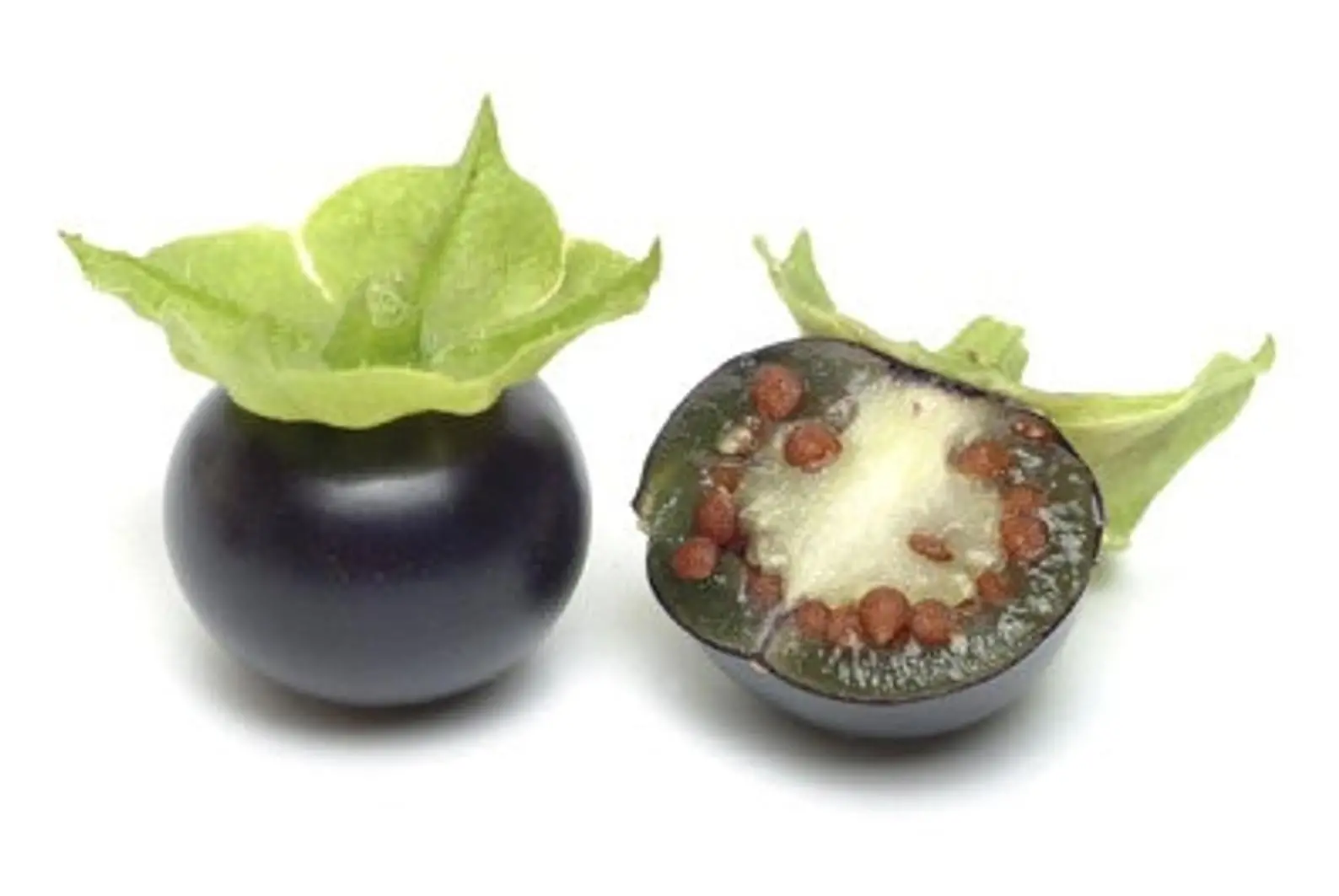
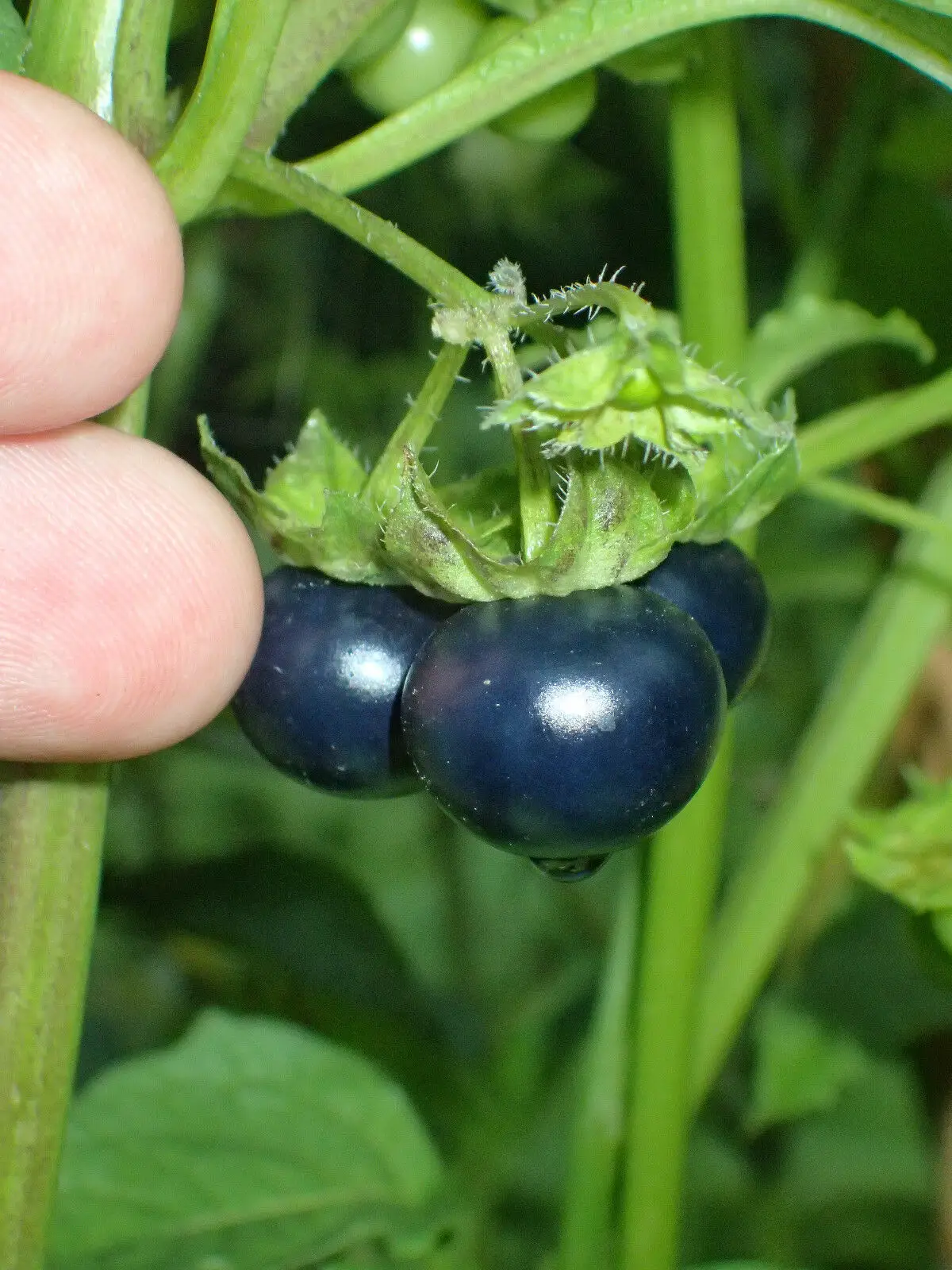
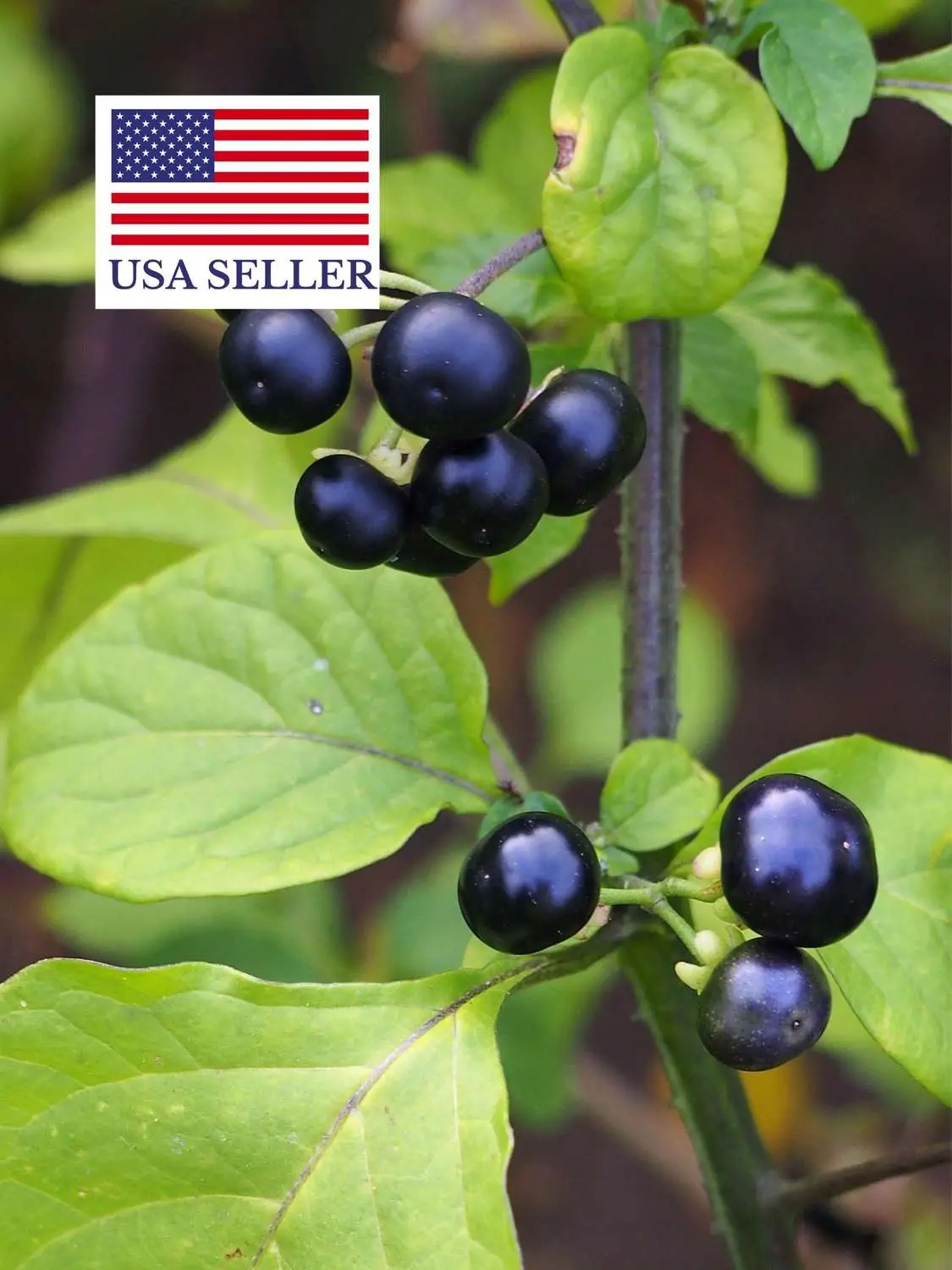
Native to the high elevations of Mexico, Central America, and the Andes—from Arizona south to Colombia and Venezuela—this trailing herbaceous shrub grows 2 to 5 feet tall, producing wide, dark green leaves and delicate pale yellow-green flowers with olive-green spots. What makes it truly special is what follows: perfectly round, cherry-sized berries that ripen from green to a stunning glossy dark purple or black, glistening like tiny jewels on the plant.
The culinary story is the heart of this plant’s appeal. In Nahuatl, “xaltomatl” literally means “sand tomato”—named for the countless tiny seeds inside that resemble grains of sand. For generations, the Tarahumara, Pima Bajo, and other indigenous peoples have actively protected and cultivated these berries in their fields because of their extraordinary flavor and versatility. Today, if you find them in Mexican markets in states like Oaxaca, Veracruz, and Jalisco, you’ll pay premium prices for what locals still consider a delicacy. Raw or cooked, these berries shine in fresh salsas, traditional gravies, jams, and marmalades—their sweet-sour profile cuts through richness like nothing else. And the fruit is loaded with antioxidants and health benefits: research shows they aid digestion and help control blood sugar. Beyond the fruit, even the tender leaves are edible as a potherb, and the plant carries a six-century history in Mexican traditional medicine, used to address stomach ailments and inflammation.
Growing xaltomatl is where surprise turns to relief. Despite its tropical heritage, this plant is tougher than tomatoes—more disease-resistant, more cold-tolerant, and genuinely adaptable. Give it full sun or semi-shade, well-draining soil, and regular to moderate water, and it will produce abundantly as an annual in cooler climates or perennial in warm zones (USDA 9-11). It succeeds in containers or ground, indifferent to the pampered care tomatoes demand. Seeds germinate readily when sown shallowly in pots at warm temperatures—much like tomato or physalis seeds—making it accessible even to first-time growers. The plant naturally self-sows, so one season can lead to a permanent culinary garden feature.
Grow Jaltomata procumbens from seed and unlock a piece of living history: a rare, delicious, and resilient plant that indigenous farmers chose to protect for a reason. Your kitchen, and your pollinators, will thank you.
Germination Guide
🌍 Arizona USA, Mexico, Central America, Colombia, Ecuador, Venezuela
Difficult
Jaltomata procumbens is a rare Solanaceae species from Mexico, Central and South America with edible dark purple berries. Seeds present dormancy mechanisms that make germination slow and erratic.
Germination
Germination time
Expect germination in
4 – 42 days
Temperature
Min 15°C
Ideal 20°C
Max 25°C
Substrate moisture
💧 Medium
Sowing depth
Lightly covered
Seed Pre-treatment
-
💧
Soaking — 96 hours
Soaking seeds for several days before sowing can help speed germination; KNO3 solution tested but no statistical difference from control
-
📋
Additional notes
Potassium nitrate (KNO3) osmotic solution tested; 4-6 days soaking recommended; gibberellic acid and heat treatment used in studies
Substrate & Container
Recommended substrate
well-draining soil mix, moist paper towel alternative
Recommended container
trays, pots, containers
Growing Tips
Heat mat supplemental warmth encouraged; typical germination 4-20 days in optimal conditions; seeds difficult to sprout but persistent; sow in late winter to late spring indoors; keep moist until germination; high germination rates possible with cold storage
Only logged in customers who have purchased this product may leave a review.


Reviews
There are no reviews yet.