
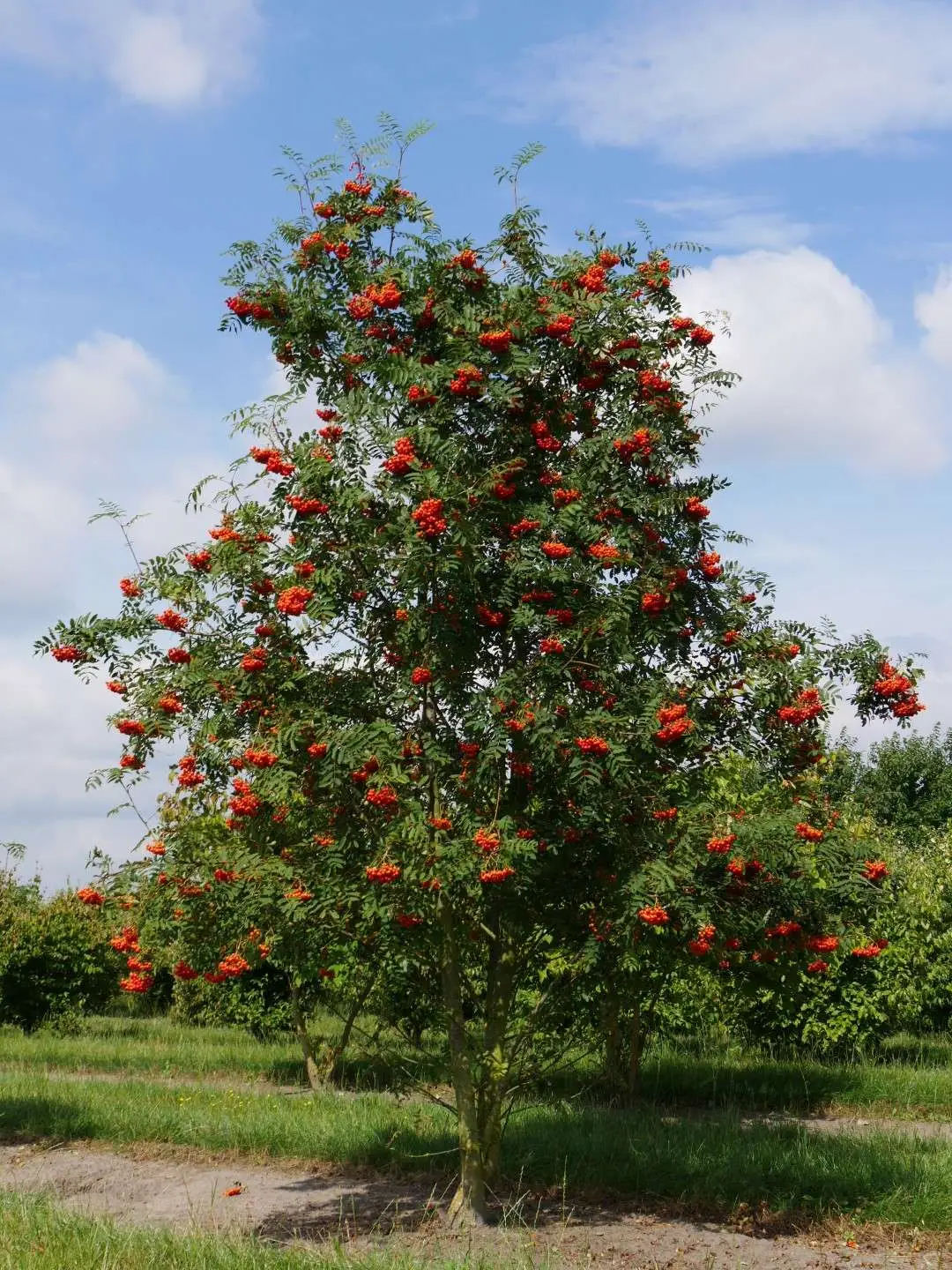
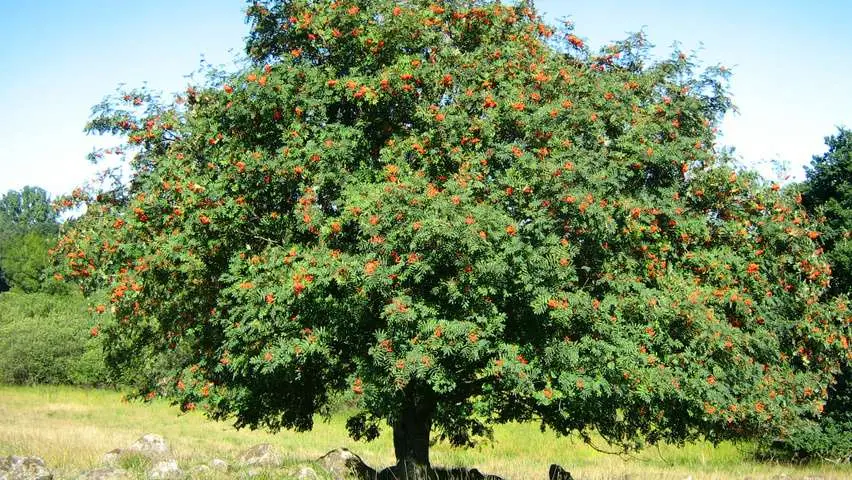
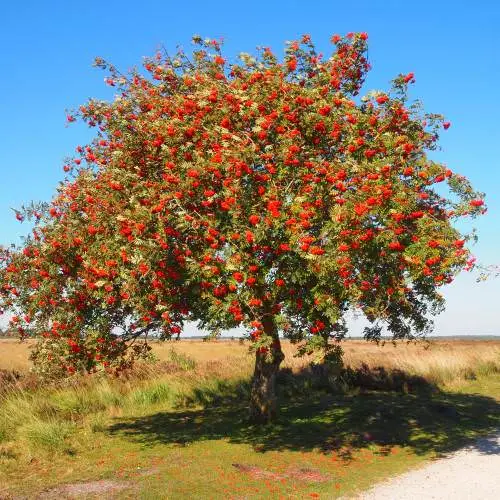
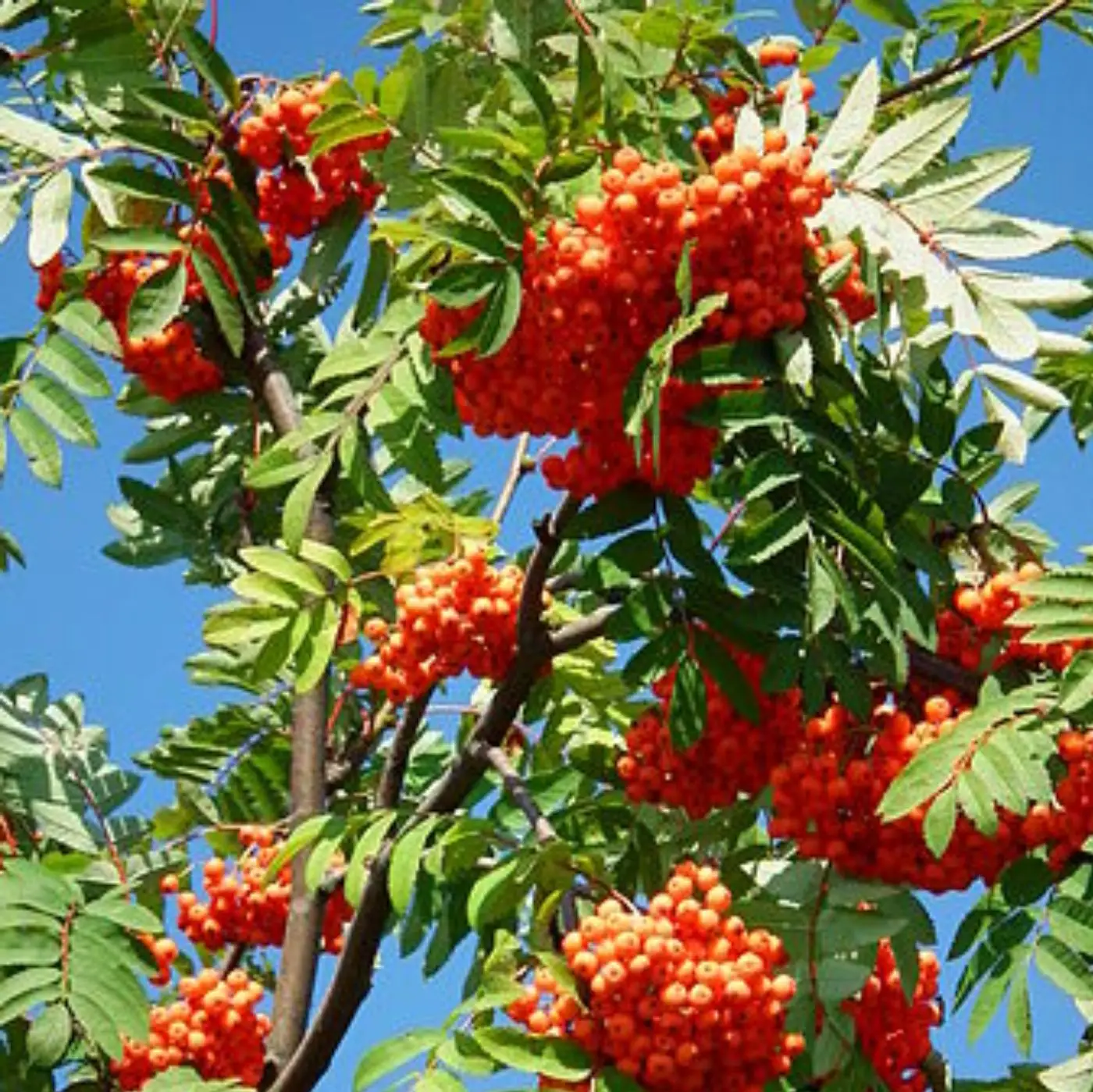
Grow the tree that made autumn jelly famous across Europe. Sorbus aucuparia produces luminous red-orange berries in late summer, perfect for making the legendary bitter-sweet rowan jelly—a game changer with venison and sharp cheese. Hardy, vigorous, and forgiving of poor soils, this Rosaceae beauty thrives from seed with minimal fuss. Harvest your own centuries-old delicacy.
€1.92
This is the rowan tree that has captured the hearts of European foragers, herbalists, and home preservers for over a thousand years.
Sorbus aucuparia—the European rowan or mountain ash—is native to the woodlands, glens, and mountainous slopes across Britain, northern Europe, and into Asia Minor. Its botanical name itself tells the story: aucuparia, from the Latin for ‘bird-catching,’ speaks to its historic use. Yet what truly defines this tree in modern times is something far more delicious: its transformation into the most celebrated preserve in Scandinavian and British kitchens.
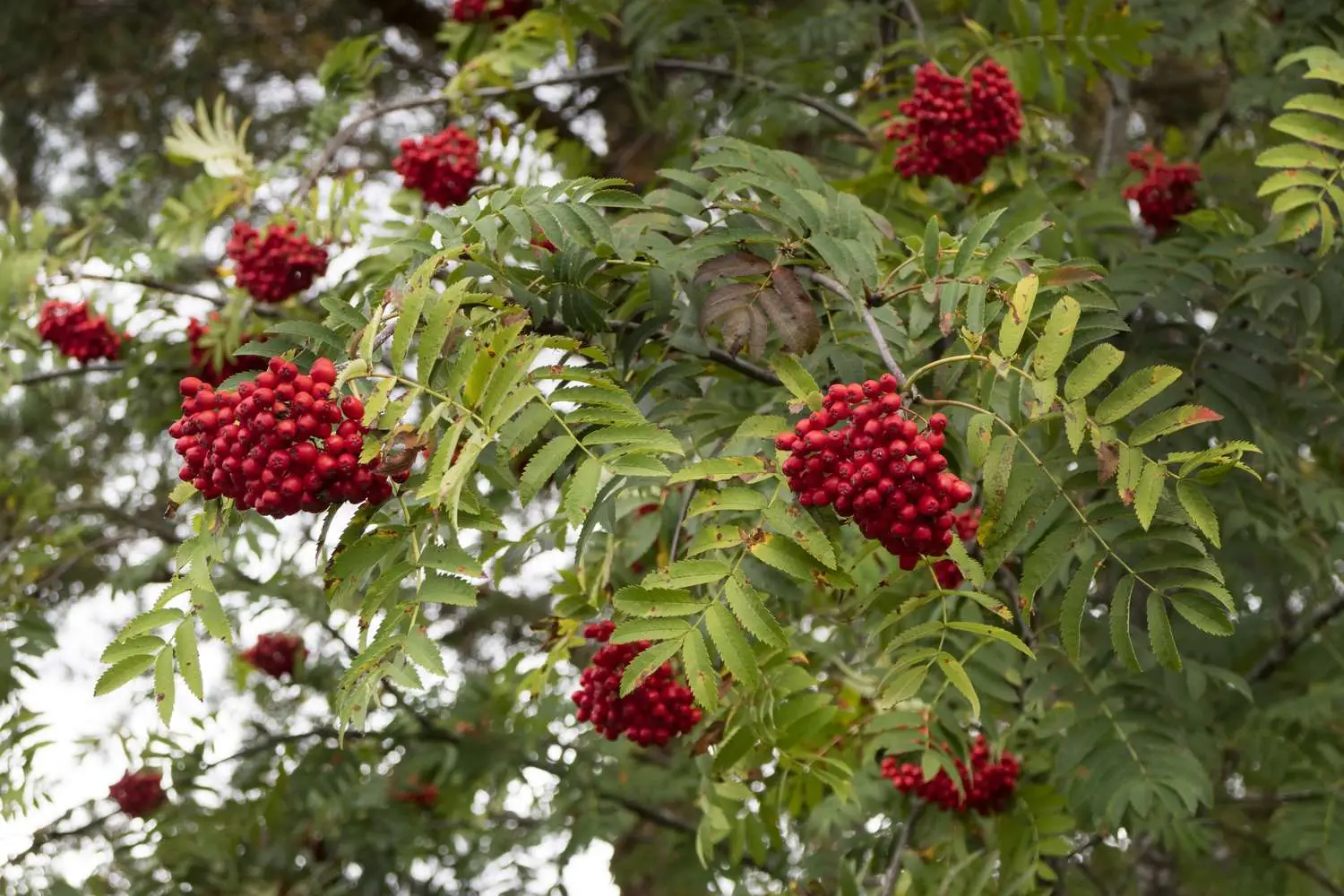
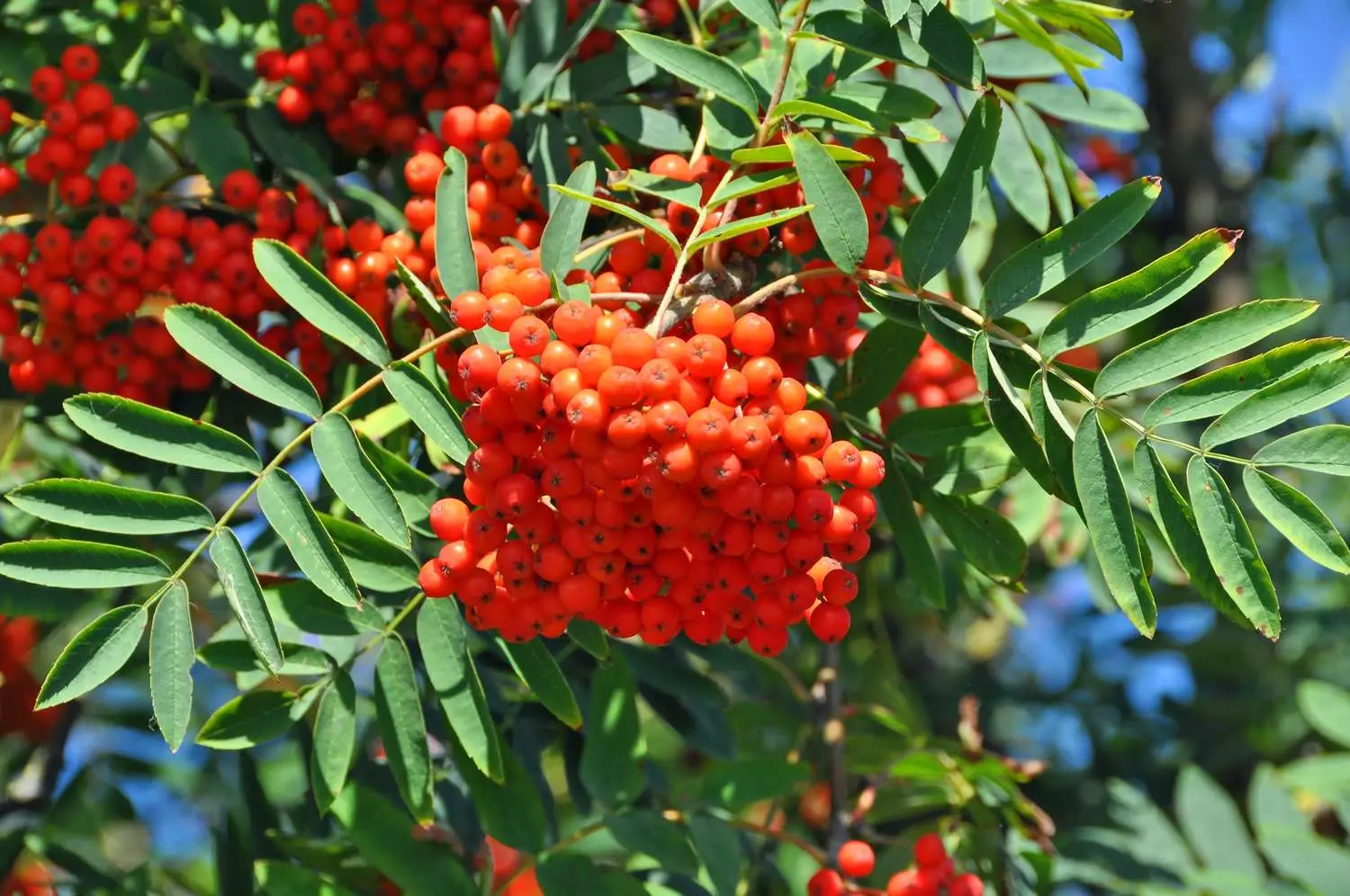
This is where Sorbus aucuparia becomes irresistible. The berries—small, clustered in stunning abundance, ripening to fiery orange-red in late August through October—are the star of rowan jelly, a preserve with centuries of culinary tradition behind it. Unlike many wild berries, rowan berries are naturally rich in pectin, so they set into an elegant, jewel-toned jelly without additives. The flavor is distinctively bittersweet and tart—complex, sophisticated, slightly astringent—which is precisely why it pairs so beautifully with game, venison, duck, and sharp aged cheeses. In Russia, September 23rd was historically declared “Rowan Day,” when families would harvest baskets of berries to cook into jam, kissel, wine, and medicinal syrups for the winter ahead. The berries also make excellent wines, liqueurs, cordials, and when dried and roasted, even a coffee substitute. Beyond preserves, the perfumed flowers and leaves brew into a delicate tea. The berries themselves are packed with vitamin C, flavonoids, and proanthocyanidins—compounds that traditional herbalists have used for respiratory support, digestive health, and anti-inflammatory benefit for centuries.
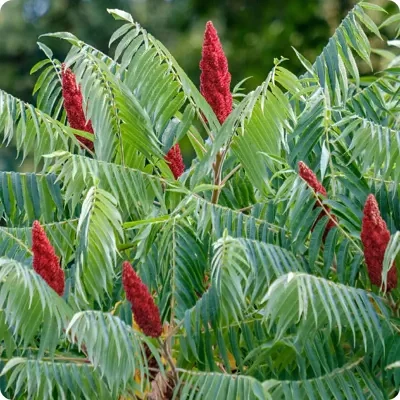
Growing Sorbus aucuparia from seed is refreshingly straightforward. This tree is built for resilience: it thrives in poor, heavy, or acidic soils where fussier species fail; it tolerates shade but fruits abundantly in full sun; it laughs at cold and harsh mountain conditions (the ‘Mountain’ in its name comes from its ability to withstand altitude and exposure). It prefers cool, moist conditions and will grow happily in containers or open ground. From seed to first fruiting typically takes 3–5 years, but the wait is worth it—this is a tree that will produce for decades. The foliage is elegant (pinnate leaves with serrated leaflets), the spring flowers are a cloud of delicate yellowish-white blooms that attract pollinators, and by autumn, the berries create a visual spectacle that birds find irresistible. It also has genuine ecological value as a food source for wildlife.
When you grow Sorbus aucuparia from seed, you’re not just planting a tree—you’re reconnecting with a thousand years of European harvest tradition. You’re securing your own supply of one of the world’s most distinctive preserves. You’re growing something genuinely useful, genuinely beautiful, and genuinely easy to nurture. Start your seeds now and in a few years, you’ll be making rowan jelly that tastes like autumn itself.
Only logged in customers who have purchased this product may leave a review.
Reviews
There are no reviews yet.