
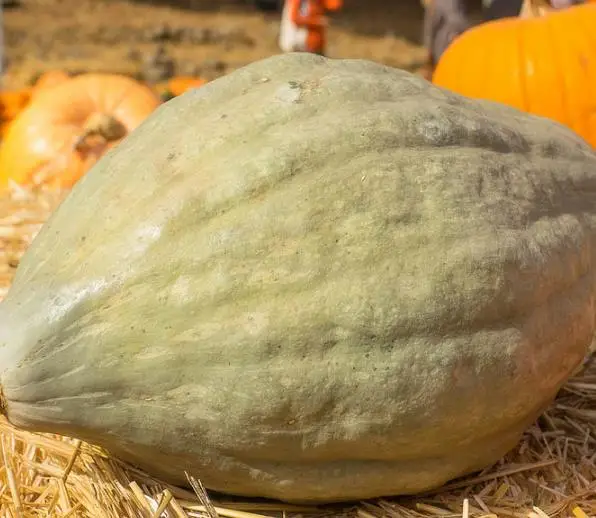
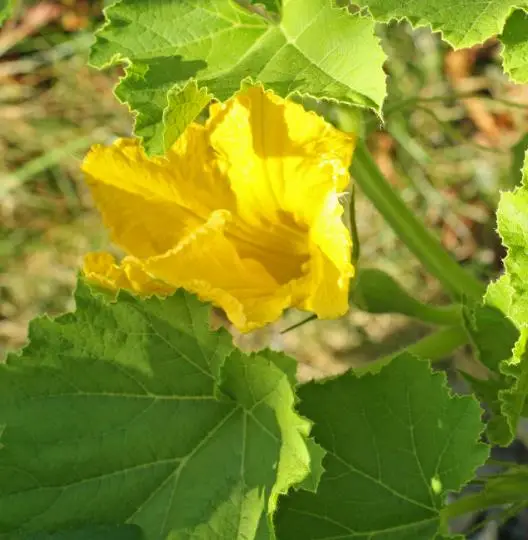
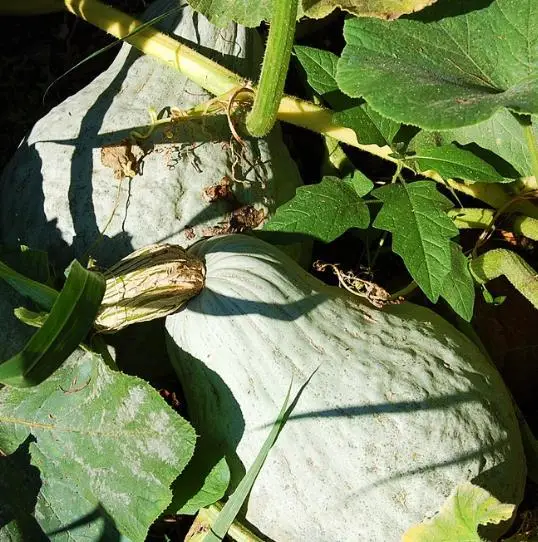

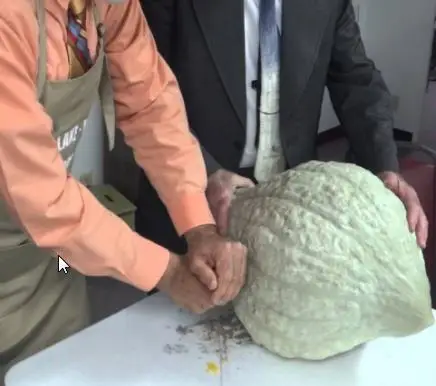
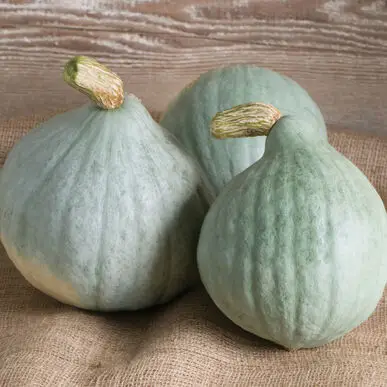
Grow the legendary Blue Hubbard: blue-grey bumpy skin and golden-yellow flesh that transforms into soups, pies, roasted sides—the finest winter squash ever bred. Produces large squash weighing 10-20 pounds or more with dense, deep orange flesh that has a sweet, luscious flavor that caramelizes well. Stores for up to 6 months in cool conditions. Direct
€4.29
This beautiful heirloom produces high yields of blue-green fruit with sweet, deep-orange meat. Once you taste it, you’ll understand why gardeners have cherished this cultivar for generations.
The Blue Hubbard first arrived in Marblehead, Massachusetts via Captain Knott Martin, where Elizabeth Hubbard brought it to the attention of James J.H. Gregory, a seed trader who introduced it to the market. Gregory bred and released the Blue Hubbard, a variety with bluish-gray skin. The Blue hubbard became the most successful of all the hubbard squashes developed in the late 1800’s and early 1900’s and is still sought after by squash enthusiasts today for its large size and smooth, nutty flavor. This is not a novelty—this is *the* squash that elevated winter cuisine.
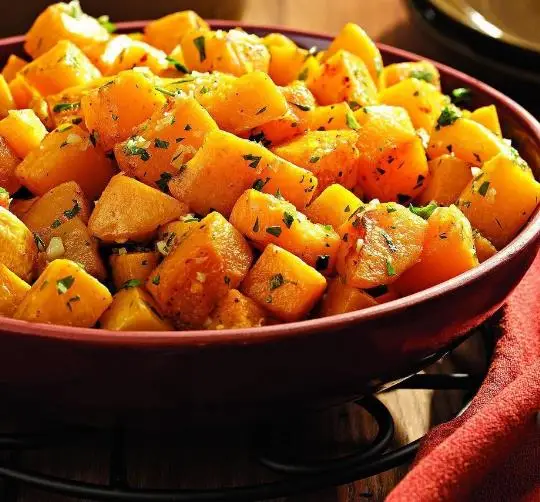
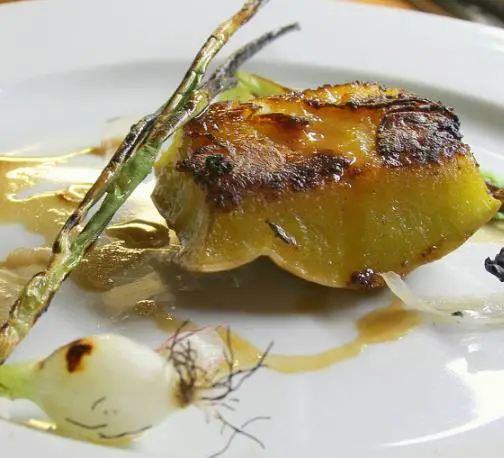
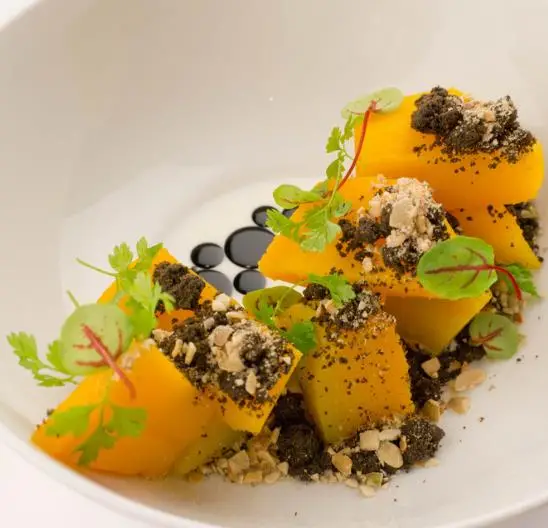
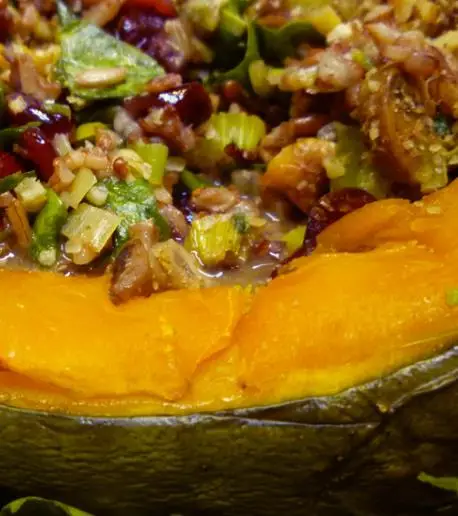
**THE CULINARY TRIUMPH:** The texture and flavor of the flesh are close enough to pumpkin that it can be used in the same recipes. But it’s far superior: delicious when baked with butter, wonderful for casseroles, soups, or turning into a tasty pie. When cooked, Blue hubbard squash can be added to pies, casseroles, risotto, and pasta preparations. It can also be pureed and added to soups, stews, sauces, curries, and desserts and can be used in recipes as a substitute for pumpkin or butternut squash. Blue hubbard squash tastes sweet, like a sweet potato, and has a natural nutty taste, similar to hazelnut. Perfect for making pies and also for its large white sweet seeds which when deliciously roasted. One fruit feeds a family for weeks—roasted, pureed, frozen, canned, transformed into bread, risotto, soup. Stores well into winter if given cool, dark conditions, or can be canned or frozen. It will keep up to six months when stored in a cool and dry place.
**HOW TO GROW YOUR GIANT:** Grow in rich, fertile, well drained soil in full sun. Space plants around 3–5 feet apart in rows that are approximately 6–10 feet apart. Planting depth of around 1–2 inches. Plant after the danger of frost has passed and when the soil temperature is at least 70 F. This variety requires a long growing season of around 110 days to fully mature. The vines sprawl magnificently across your garden, producing 1-2 enormous fruits per plant. The transition from seed to harvest lasts about 90 days. When sowing outdoors, plant the seeds 1/2-1 inch deep in mounds spaced 6-8 feet apart to accommodate the vigorous vines. Water regularly, mulch to retain moisture. These are not fussy plants—they’re vigorous, forgiving, and rewarding. No special finesse required; just sun, space, and time.
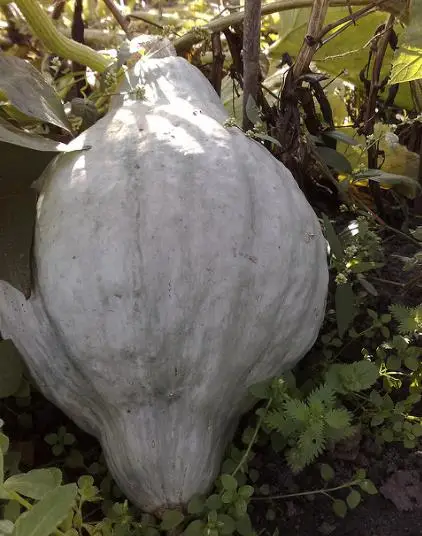
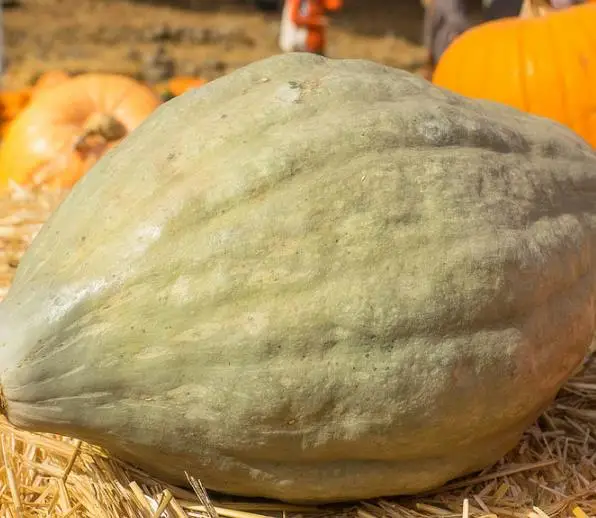
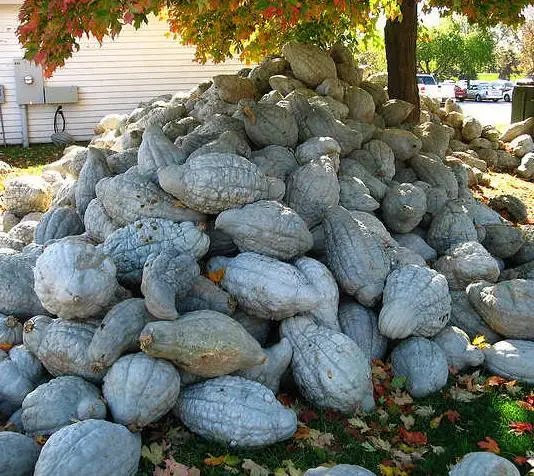
**THE MOMENT YOU HARVEST:** You’ll cradle fruits so massive and beautiful they become conversation pieces before they ever reach your kitchen. Large, irregularly-shaped fruits typically reaching up to 50cm long and around 5-9kg in weight on trailing vines. Skins are blue-grey and bumpy and the flesh a dark yellow to orange colour with a fine-grained texture and sweet flavour. That cobalt hue is unmistakable—a jewel of the autumn garden. When you cut one open, the golden-orange flesh glows like treasure. Then comes the true magic: Dense, deep orange flesh has a sweet, luscious flavor that caramelizes well. Every recipe you’ve ever wanted to cook becomes possible. Every winter, you’ll be grateful you grew this seed.
Only logged in customers who have purchased this product may leave a review.
Reviews
There are no reviews yet.