
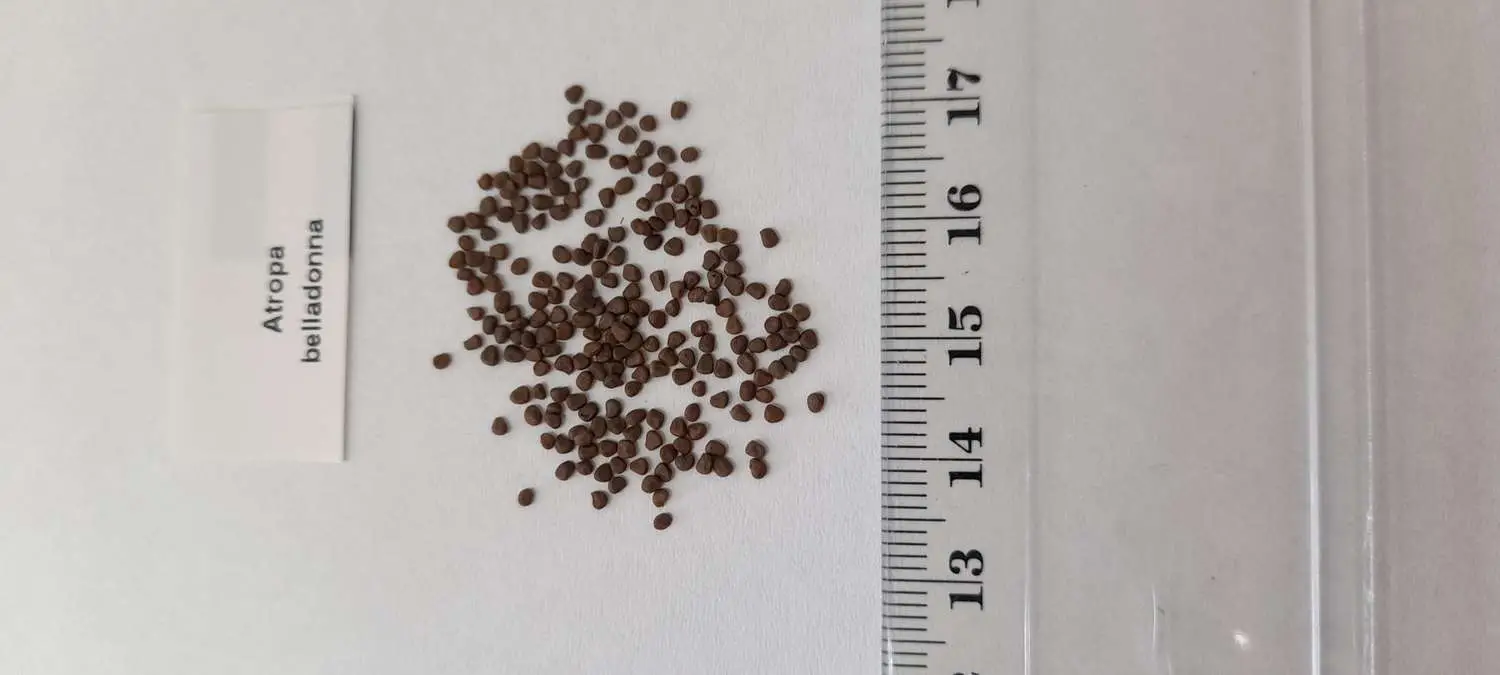
Grow the infamous herb of Greek mythology—Atropa belladonna, named for Atropos, who cuts the thread of life. Dark bell-shaped flowers give way to glossy, obsidian berries that gleam like jewels. A perennial for the discerning collector: rare, theatrical, steeped in Renaissance beauty secrets and ancient medicine. Moderately easy from seed; prefers partial shade and well-drained soil. For experienced growers seeking botanical legend.
€2.15
This is the plant that whispers from the shadows of history—the one Linnaeus himself named with trembling reverence, the one that appears in Shakespeare’s tragedies and witches’ grimoires, the one that made Renaissance women dangerously beautiful. Atropa belladonna is not a plant for the timid; it is a masterpiece for the botanist, the historian, the collector of the rare and the remarkable.
Originally native to the temperate regions of southern Europe, North Africa, and western Asia, belladonna has captivated human imagination for millennia. Its name—literally “beautiful lady” in Italian—honors the Renaissance practice of women using it as eyedrops to dilate their pupils, a look considered irresistibly seductive. Yet its genus name, Atropa, comes from Greek mythology: Atropos, one of the three Fates, who cut the thread of human life. Carl Linnaeus chose this name deliberately, acknowledging both the plant’s lethal power and its undeniable allure. Few plants carry such poetic duality.
What makes belladonna truly extraordinary is its role in pharmaceutical history and modern medicine. The plant contains three potent alkaloids—atropine, scopolamine, and hyoscyamine—compounds so powerful that they have shaped medical science itself. Today, atropine remains essential in ophthalmology for pupil dilation during eye examinations and surgery. Scopolamine is prescribed for motion sickness and post-operative nausea. These alkaloids have even served as antidotes to nerve agents, making this dark beauty a guardian of human life despite its deadly reputation. When grown for medicinal production, the highest concentrations of these alkaloids develop in plants on chalky, well-drained soil in sunny positions and hot summers. For the serious cultivator, this is not mere gardening—it is participation in a centuries-old pharmaceutical tradition.
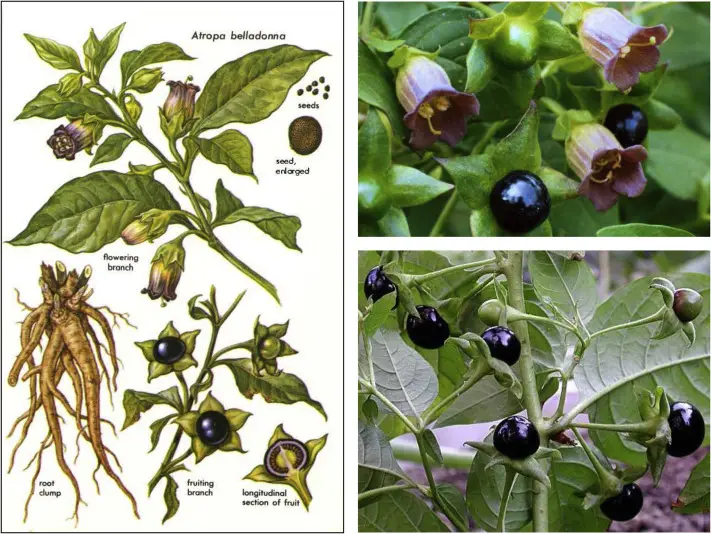
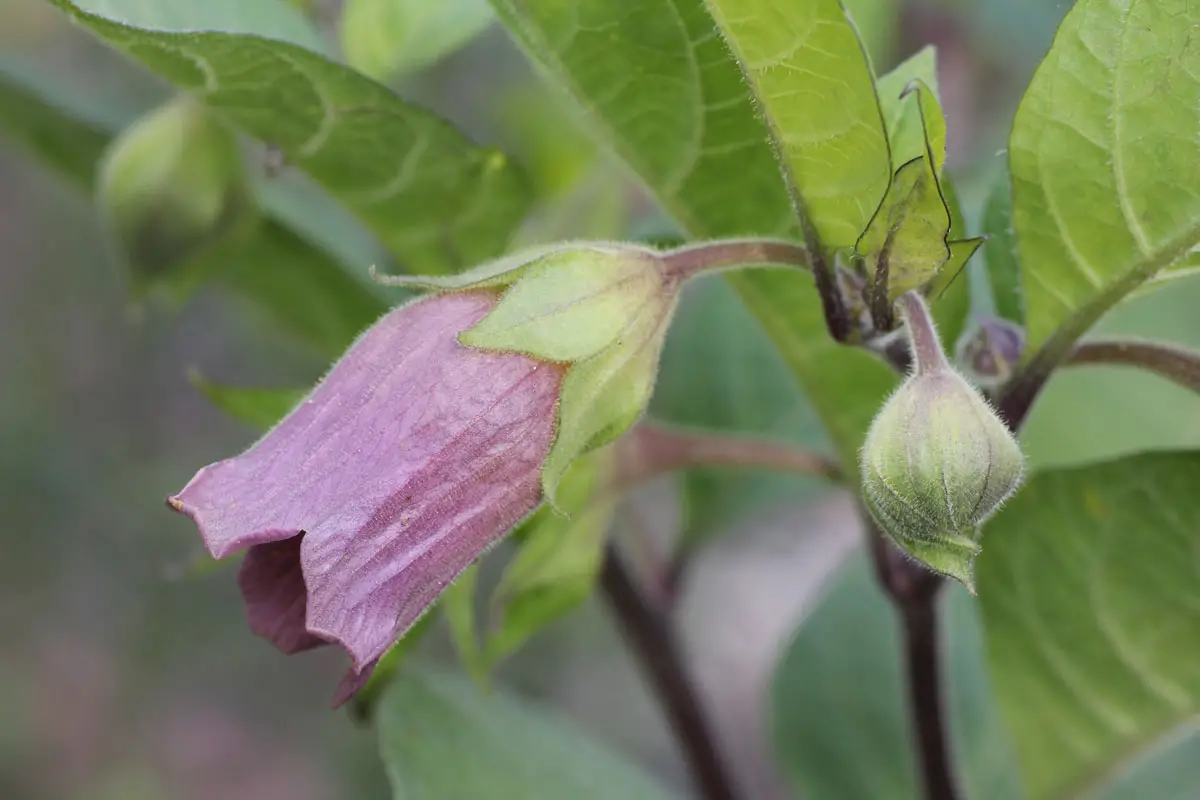
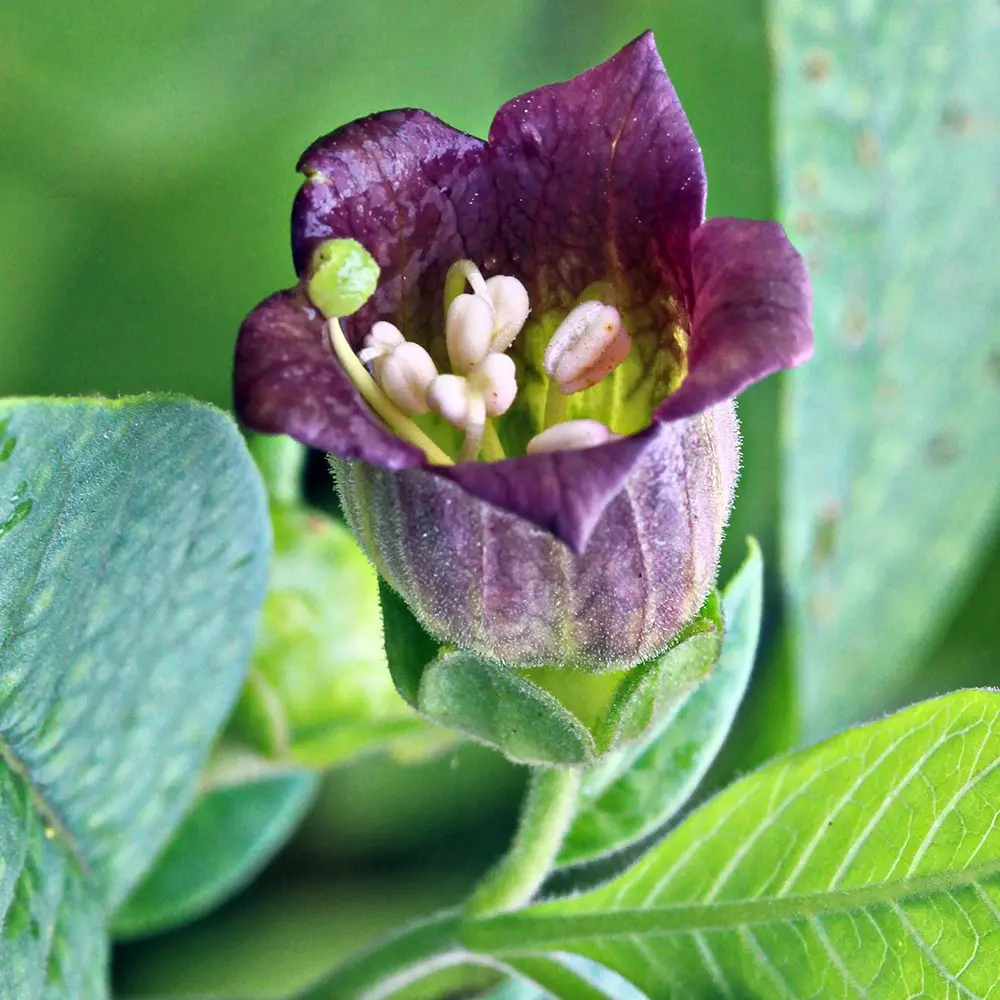
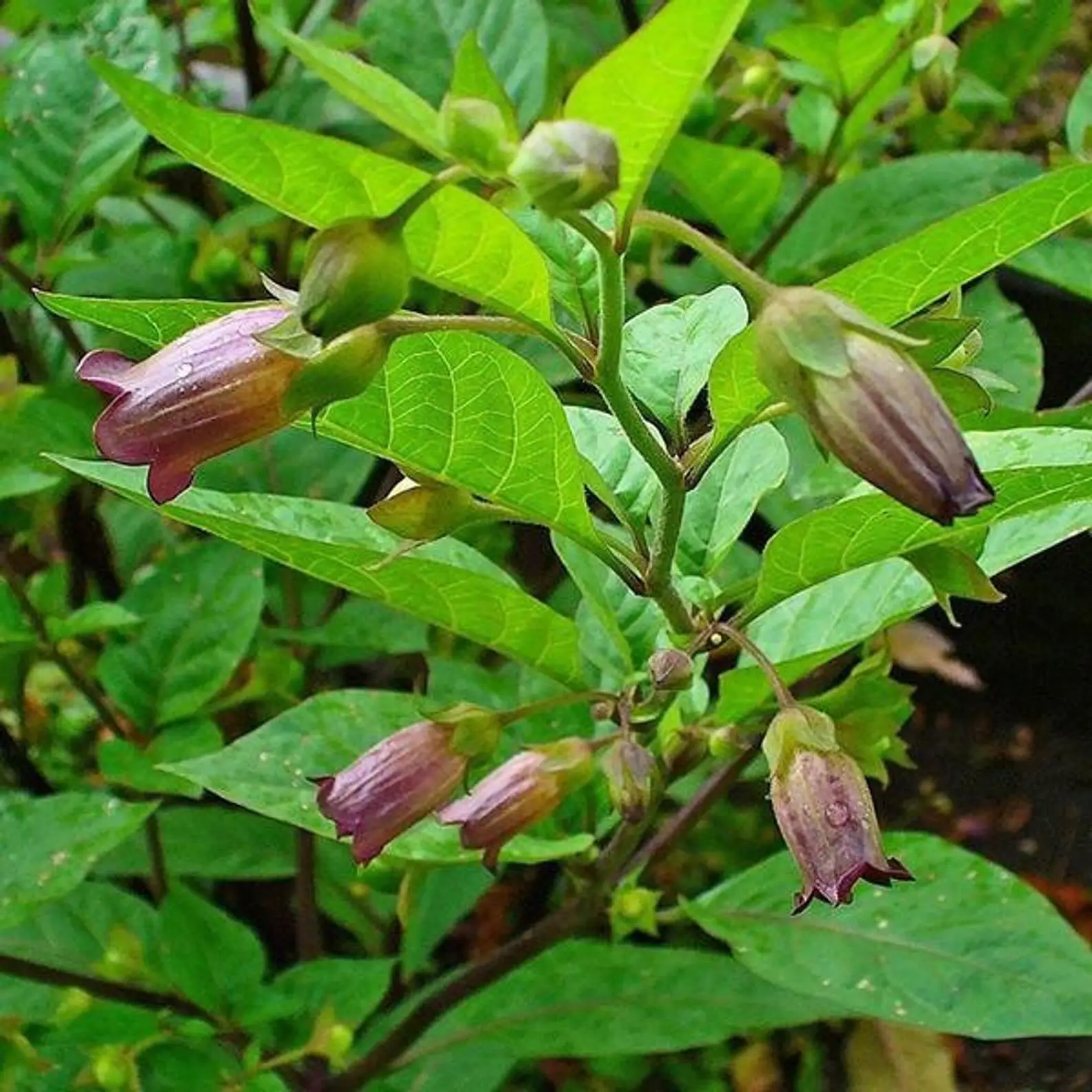
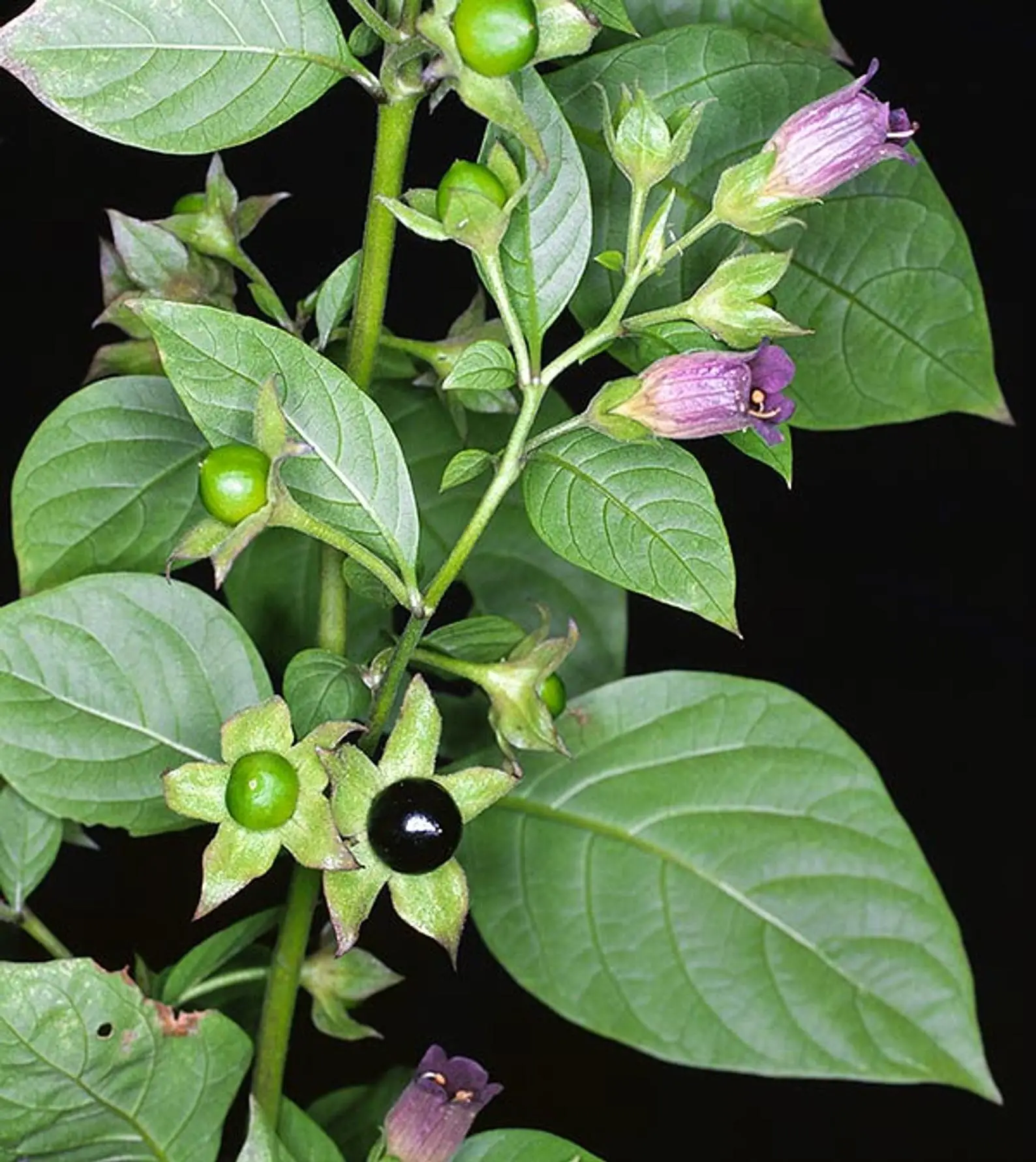
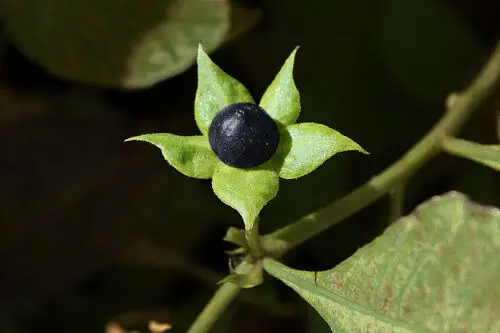
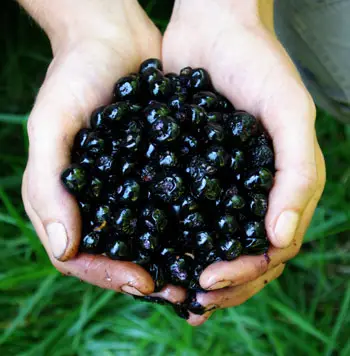
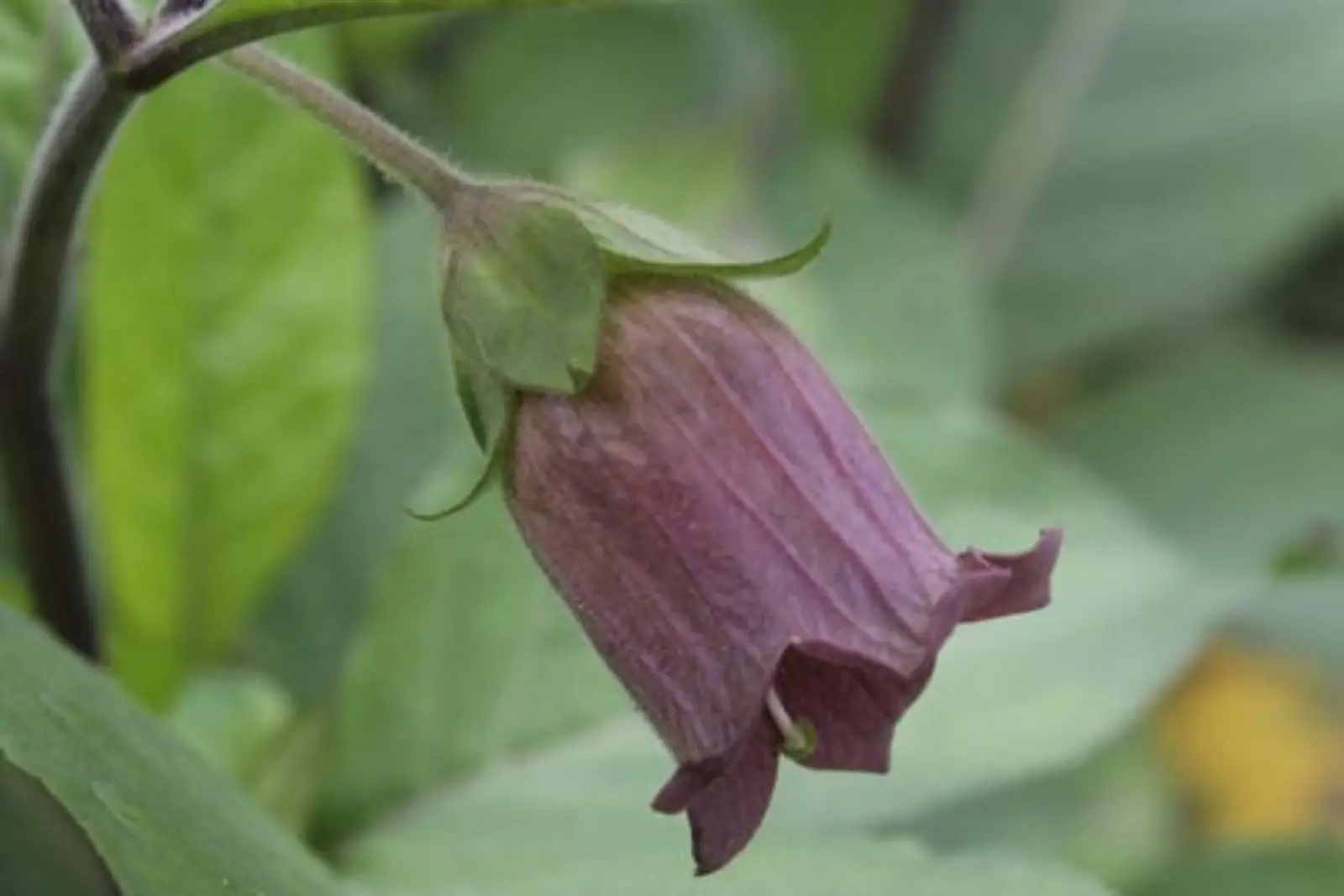
Belladonna’s beauty is as intoxicating as its chemistry. The plant grows as a branching perennial reaching 90 to 160 centimeters, with dark green, ovate leaves that unfold in graceful abundance. The flowers are remarkable: nodding bell-shaped blooms in somber purples and browns with greenish tinges, appearing demurely beneath the foliage as if hiding secrets. But the true jewels are the berries—glossy, jet-black orbs that mature from green, sitting atop star-shaped green calyces and resembling precious black cherries. These berries have attracted attention across centuries: they are sweet-tasting (dangerously so), visually magnetic, and unmistakably threatening. They are simultaneously beautiful and ominous—the perfect symbol of this plant’s contradictory nature. Cultivation is moderately straightforward for the experienced grower: belladonna thrives in well-drained, moisture-retentive soil (light, loamy, or chalky soils are ideal) with a pH of 6.0 to 8.0. It succeeds in partial shade to full sun, though in cooler climates it prefers more light; in hot regions, afternoon shade protects it from stress. The plant is hardy in USDA zones 5–9 and tolerates frost. Water consistently during the growing season (every 7–10 days), reducing frequency in winter. Seeds germinate readily in 2–4 weeks under cool, moist conditions—remarkable speed for such a legendary plant. Minimal fertilization is needed; this is a plant that thrives on modest attention and good drainage. For maximum alkaloid concentration, position it in a sunny south-facing spot on well-draining, chalky soil.
To grow Atropa belladonna from seed is to hold botanical history in your hands—to participate in the same cultivation that supplied Renaissance apothecaries, 19th-century physicians, and modern pharmaceutical laboratories. This is not casual gardening. This is stewardship of a plant so profound in its chemistry, so layered in its cultural significance, so striking in its dark elegance that each seedling becomes a living archive. The berries will jewel your garden with an otherworldly gleam. The flowers will nod with ancient secrets. And you
Only logged in customers who have purchased this product may leave a review.

Reviews
There are no reviews yet.