
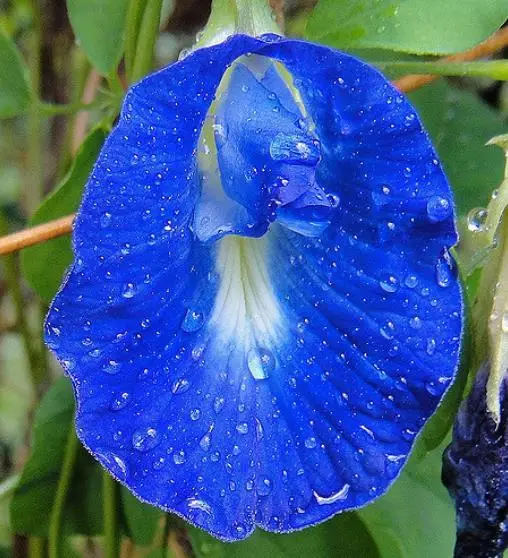
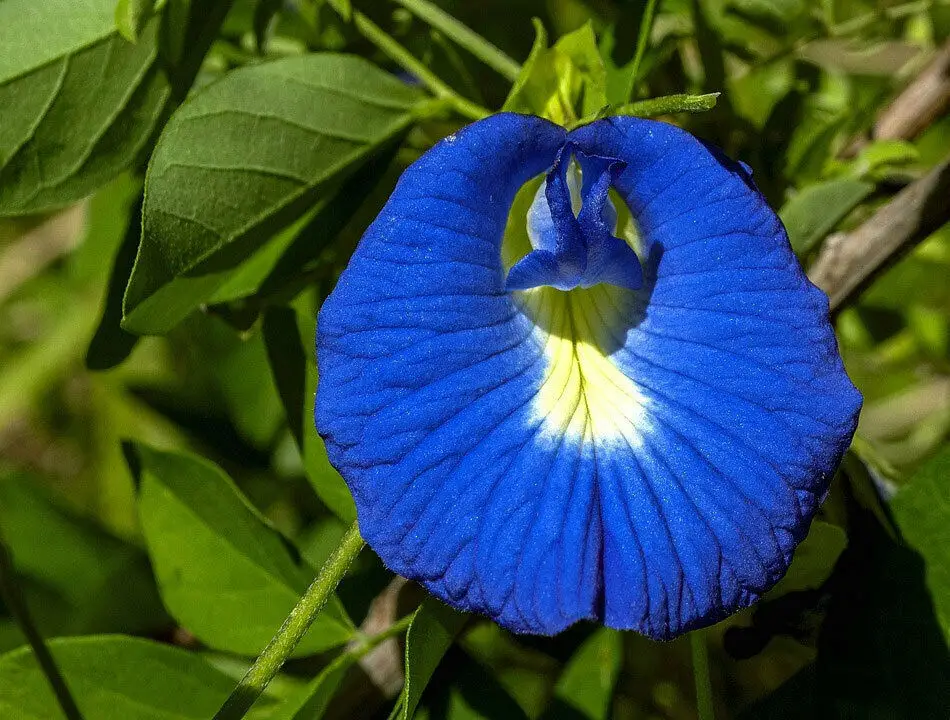
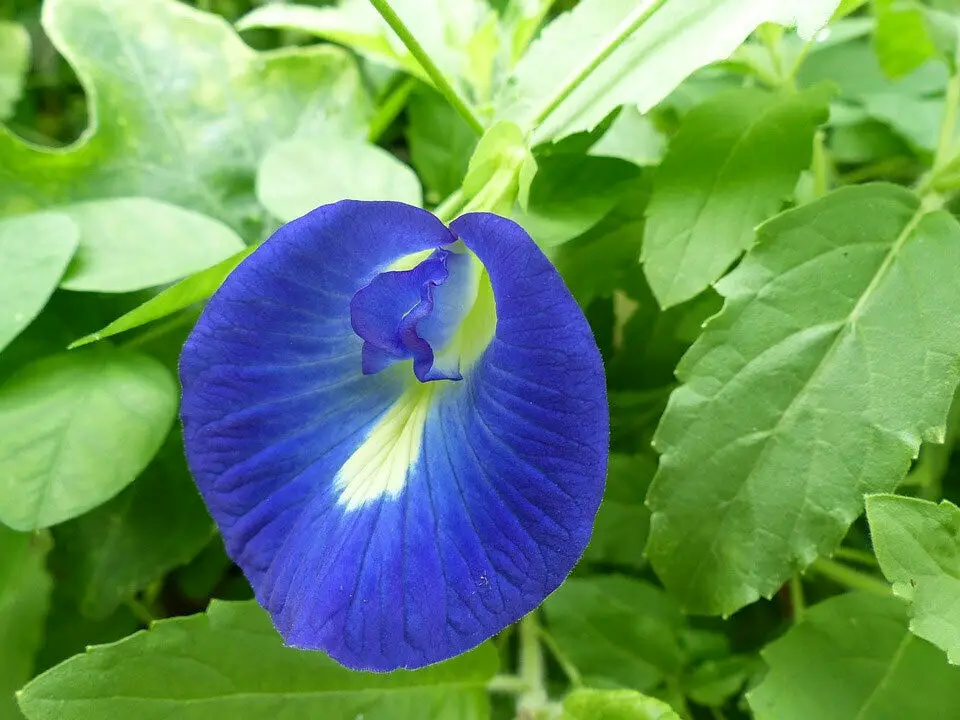

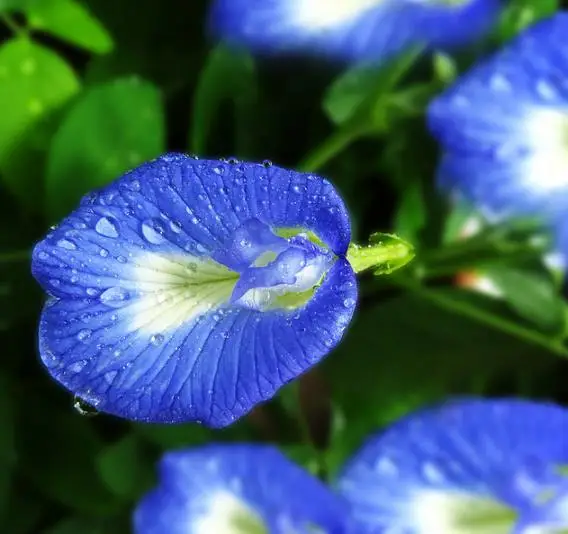


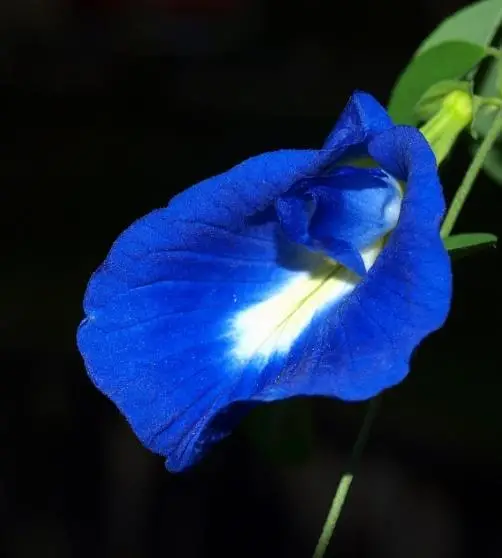


Deep blue flowers with pale yellow centers, vivid and striking—and they’re edible, perfect for antioxidant-rich herbal tea. Watch the magic happen: add lemon and the tea turns purple. Thrives in full sun but tolerates partial shade. Grow this legendary vine from seed and harvest endless blue blooms.
€1.94
Clitoria ternatea is a strikingly beautiful flowering vine known for its vibrant blue flowers, which are shaped like small conch shells.
Native to tropical equatorial Asia, including locations in South Asia and Southeast Asia, this vine hails from the Indonesian island of Ternate. The German Botanist Johann Philipp Breyne discovered and named the plant while on expeditions to Ternate Island in Indonesia in the 1800s. Deep blue indigo colored flowers are few and far between in the world of nature, and the Blue Butterfly Pea Vine flower is in a category all by itself.
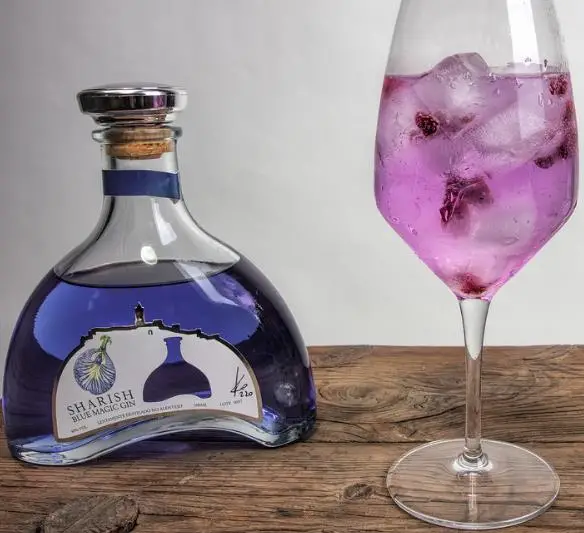
**The Heart of It: Blue Tea Magic.** This is what makes Clitoria ternatea irresistible. The most striking feature of this plant is its vivid deep blue indigo flowers and it’s culinary and medicinal uses. The bright blue petals from the flowers of the butterfly-pea plant have been used as an ingredient in herbal tea drinks throughout the region for centuries as well as used in cooking. Flowers can be dried and used in cooking to color desserts and make a strikingly vibrant blue tea. Butterfly pea flower tea is made from the ternatea flowers and dried lemongrass and changes color depending on what is added to the liquid, with lemon juice turning it purple—a natural color-changing spectacle that delights every time. The flowers are edible and used to make an herbal tea known for its antioxidant properties. Beyond tea, they are also used as a natural food coloring, perfect for nasi kerabu, giving it its characteristic bluish colour. A traditional Chinese and Ayurvedic medicine, Clitoria Ternatea has been consumed for centuries as a memory enhancer, brain booster, anti-stress and calmative agent. The young pods are edible fresh when cooked. The flowers are also edible and have a mild, sweet taste. Grow this vine and you have a living tea garden, a natural food laboratory, a piece of ancient wellness in modern form.
**Growing Your Blue Treasure.** Here’s the best part: Growing a butterfly pea plant from seed is easier than from cutting. Make sure to soak the seeds in water for 3 to 4 hours in advance to improve the germination rate. Seeds usually germinate in a week or two, keeping the soil moist. The butterfly pea requires at least 6 hours of direct sunlight per day. This full sun requirement not only energizes the plant for effective photosynthesis but also aids in the development of vibrant and healthy flowers. This easy-to-grow plant thrives in low light conditions including partial shade. It also tolerates cool and moist climatic conditions to some extent but wants frost free conditions. Clitoria ternatea prefers well-draining loamy soil. Growing butterfly pea flower prefers regular watering in the first growing season to absorb nutrients in the soil. The spurred variety is drought-tolerant but once it matures, it requires small but additional amounts of irrigation, especially in hot and dry weather conditions. These vines are highly tolerant of natural factors like temperature, moisture, and soil condition. So I think wherever you live you can manage a Butterfly pea plant. Its twining stems and lush growth make it ideal for covering trellises or fences. The plant can reach 1 to 15 feet in height (30 to 450 cm) with a spread of 3-6 feet (90-180 cm). It blooms profusely throughout the warmer months, from early summer until fall. In tropi
Only logged in customers who have purchased this product may leave a review.
Reviews
There are no reviews yet.