Description
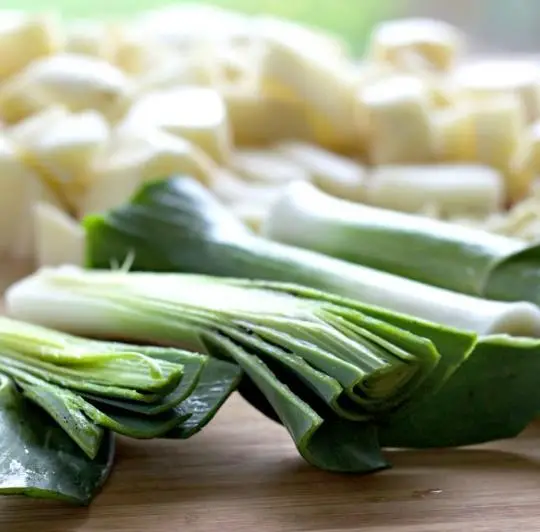
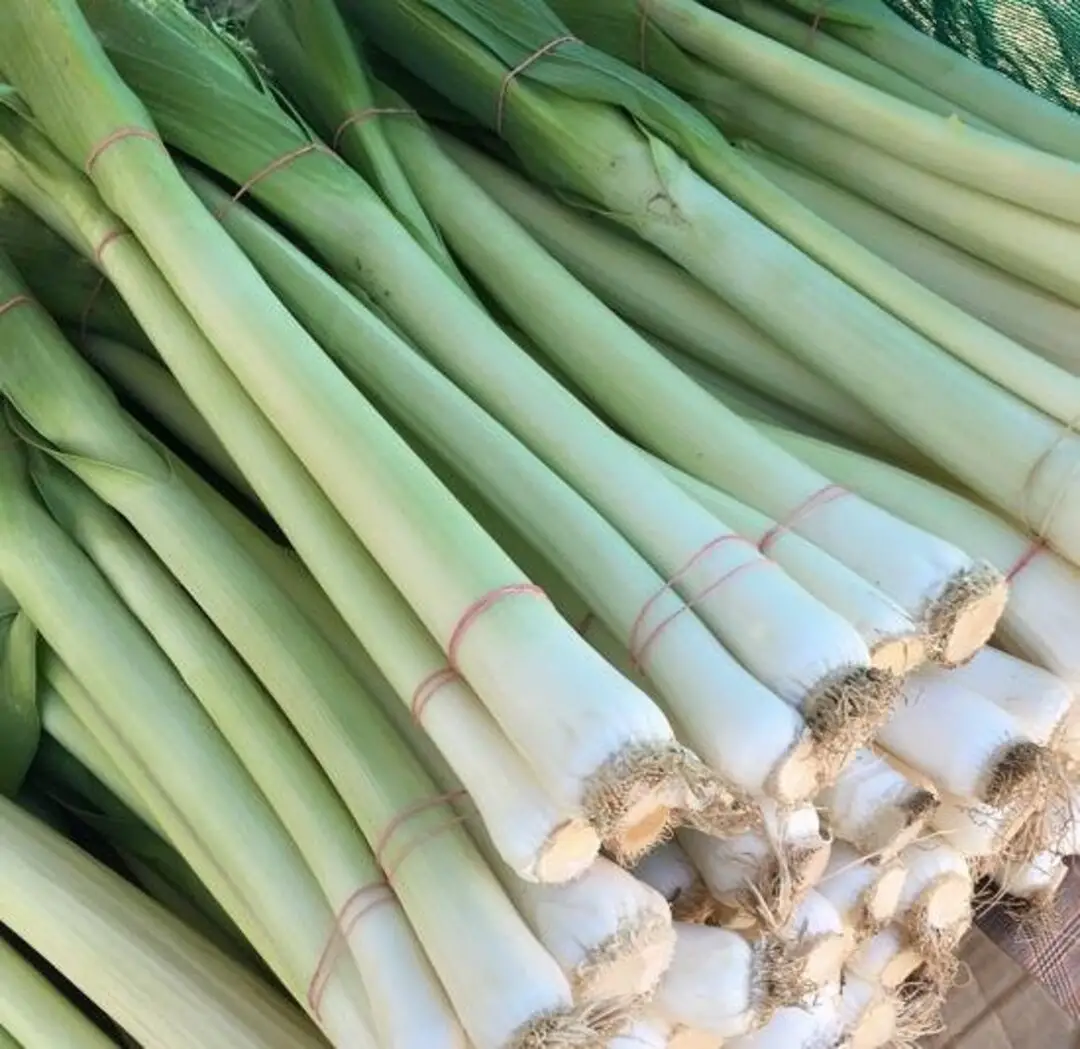
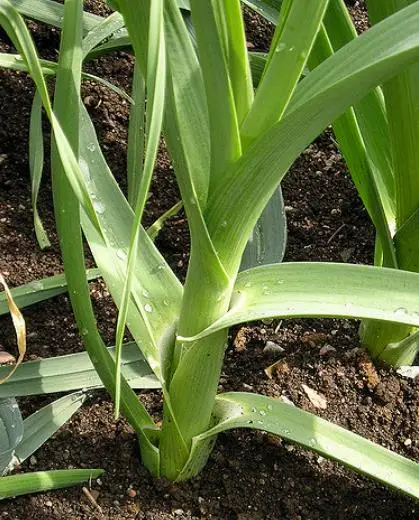
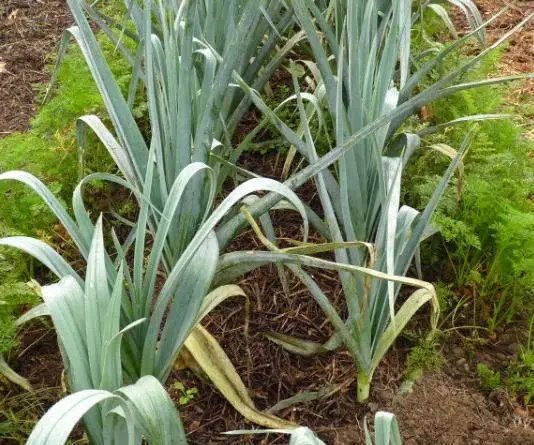
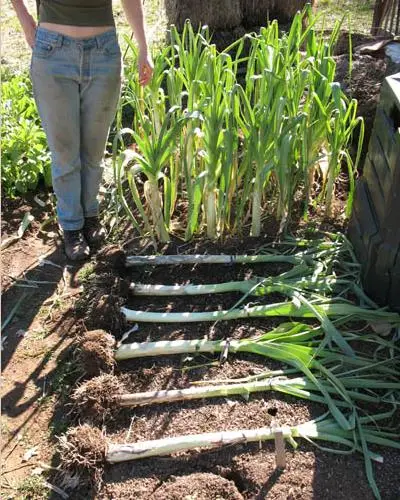
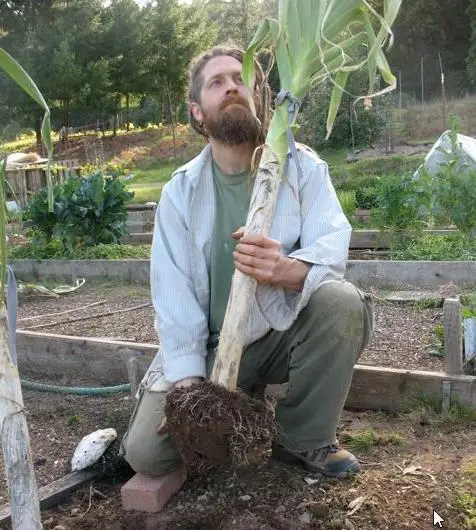
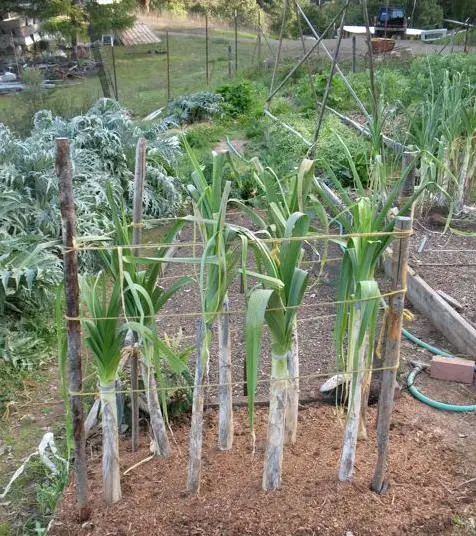
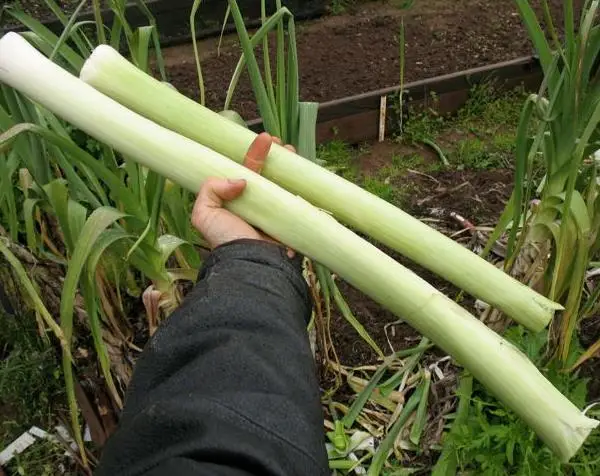
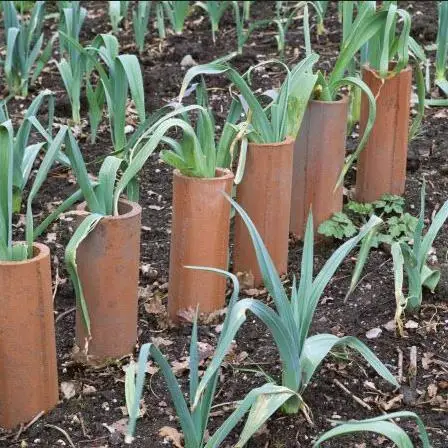
Allium ampeloprasum is a highly variable species within the onion genus, encompassing several cultivated forms such as leeks and elephant garlic. Native to the Mediterranean region, it is valued both as a culinary vegetable and for its adaptability. Depending on the cultivar, plants may form thick, elongated leaf bases (as in leeks) or large, segmented bulbs resembling oversized garlic cloves. The foliage is broad, flat, and bluish-green, forming a robust, upright clump that can reach 1 to 1.5 meters in height when flowering.
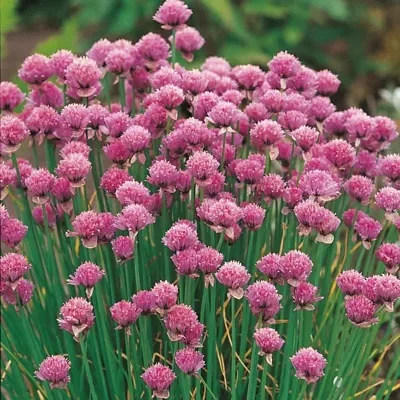
When allowed to mature, plants produce tall flower stalks topped with dense, spherical umbels of small white to pale pink flowers, which are attractive to pollinators. The flavor varies widely among forms, ranging from mild and sweet (leek types) to a gentle garlic-like taste (elephant garlic), making it versatile in culinary applications.
This species thrives in full sun and fertile, well-drained soil enriched with organic matter. Consistent moisture is important for proper development, particularly for bulb or stem formation. It is a hardy plant that tolerates a range of conditions but performs best in cooler growing seasons.
Sow seeds directly in prepared soil or start indoors 8 to 10 weeks before the last expected frost. Plant seeds shallowly, covering lightly with soil, and maintain temperatures between 15°C and 20°C for germination, which typically occurs within 10 to 20 days. Transplant seedlings outdoors once they are sturdy enough to handle, spacing adequately to allow for full development. In mild climates, sowing can be done in autumn for overwintering and early harvest the following season.
Germination Guide
🌍 Southern Europe, southwestern Asia, and northern Africa
Moderate
Allium ampeloprasum, commonly known as wild leek or broadleaf wild leek, is a biennial bulbous plant in the Amaryllidaceae family that serves as the parent species for several important vegetables including leek, elephant garlic, kurrat, and Persian leek. Seeds germinate optimally after cold stratification, which mimics natural winter conditions and significantly improves germination rates and uniformity. The species is native to southern Europe, southwestern Asia, and northern Africa, thriving in cool, temperate climates.
Germination
Germination time
Expect germination in
7 – 21 days
Temperature
Min 15°C
Ideal 18°C
Max 21°C
Substrate moisture
💧 Medium
Sowing depth
Lightly covered
Seed Pre-treatment
-
❄️
Cold stratification — 45 days at 5°C
-
📋
Additional notes
Seeds benefit from 30-45 days of cold stratification mixed with moist vermiculite or peat at 4-5°C in humid environment to improve germination uniformity and rates.
Substrate & Container
Recommended substrate
Vermiculite, peat moss, or well-draining loamy substrate with low fertility
Recommended container
Plastic container with transparent lid or seed tray with drainage holes
Growing Tips
Maintain consistent moisture in the substrate during germination—moist but not waterlogged. Provide bright, indirect light with gentle heat from a heat mat to accelerate germination if desired. After stratification, germination typically occurs within 7-21 days at room temperature (18-20°C). Keep seedlings under grow lights once they emerge to prevent leggy growth. Thin seedlings to allow air circulation and reduce damping-off disease. High humidity during germination is beneficial; cover the container loosely or use a propagation dome. Seeds exhibit variable germination rates (70-90%), so sowing slightly extra seeds is recommended. Allow 6-8 weeks of seedling growth before transplanting outdoors after hardening off.
Only logged in customers who have purchased this product may leave a review.



Reviews
There are no reviews yet.