Description
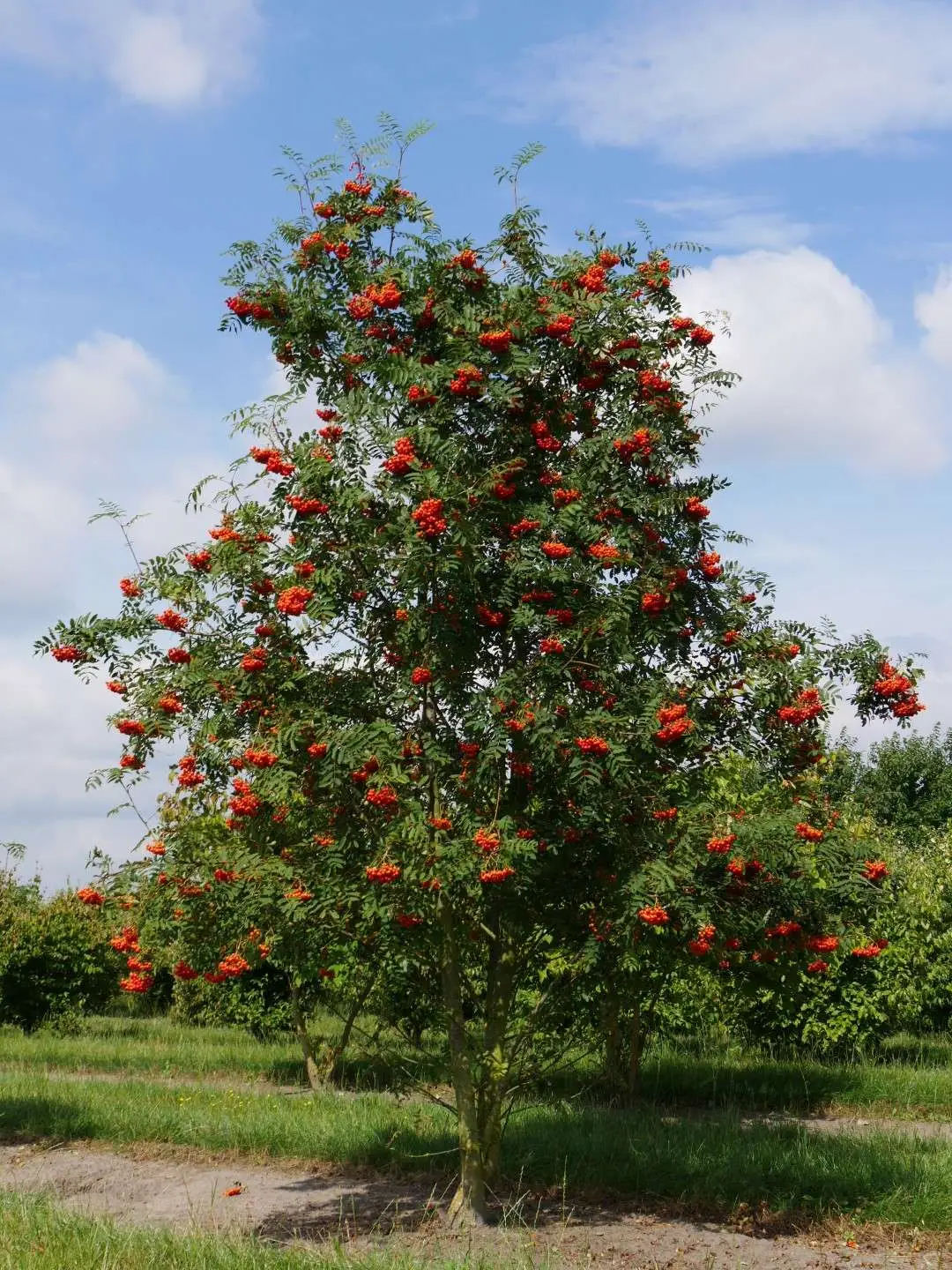
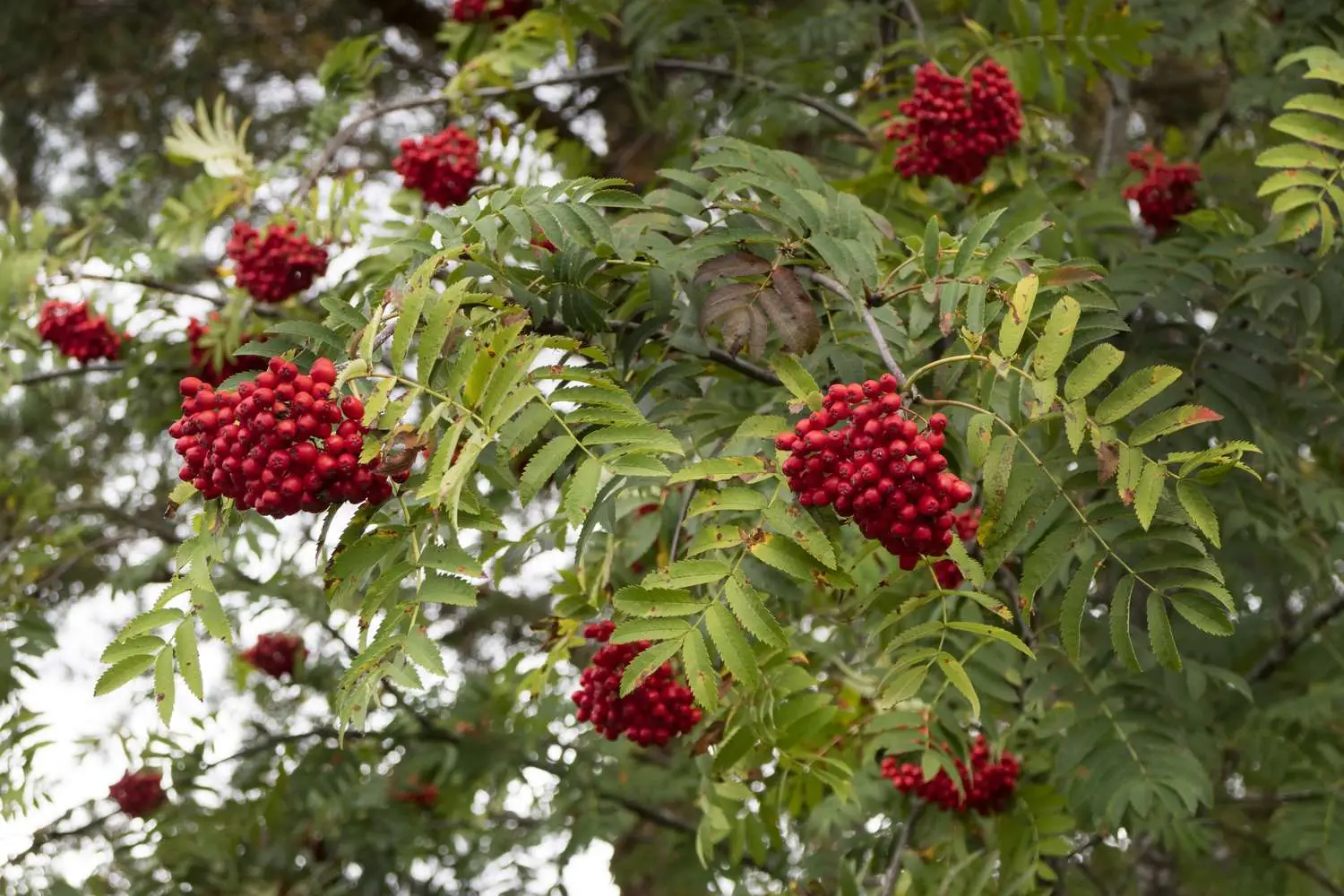
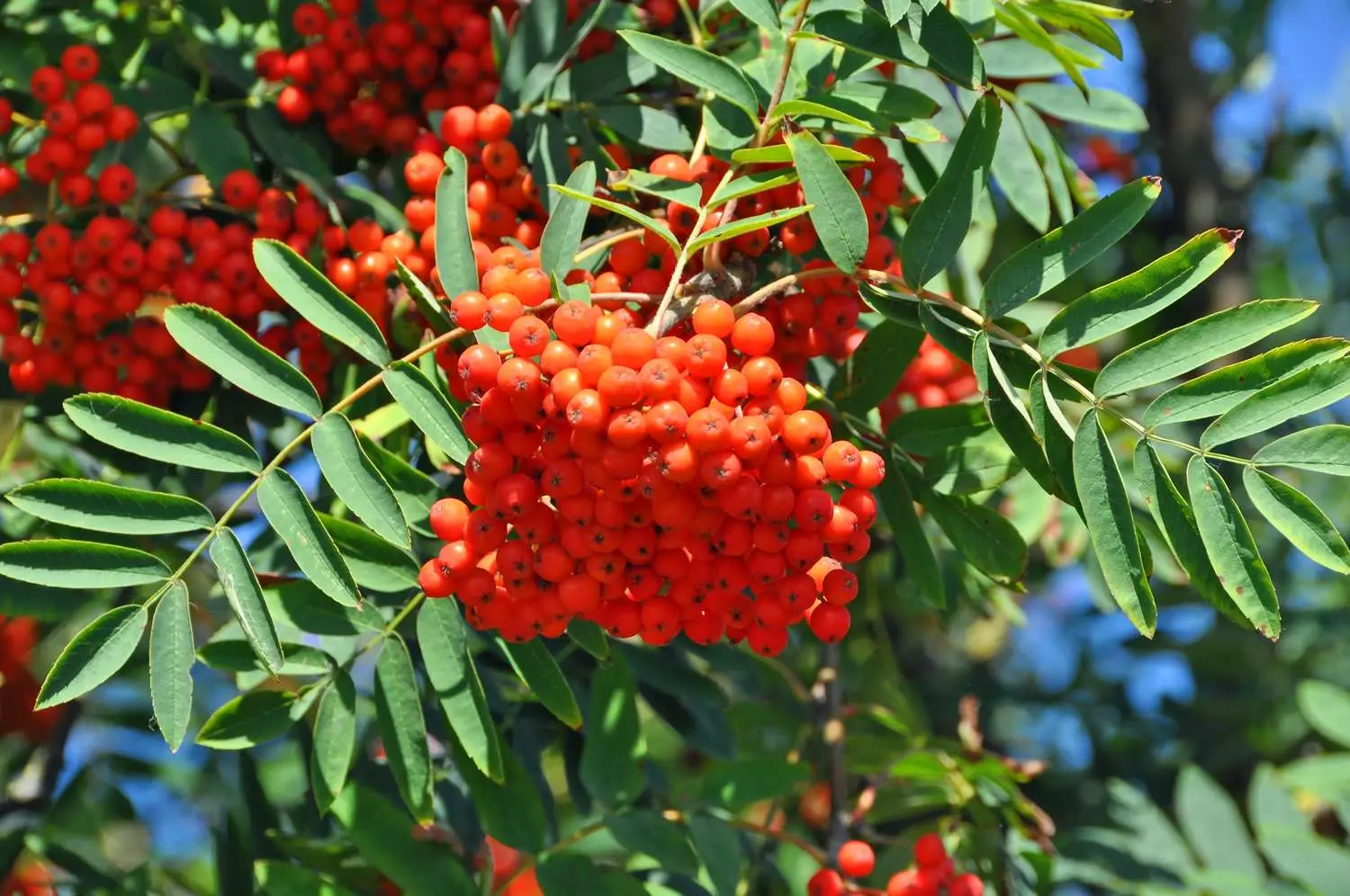
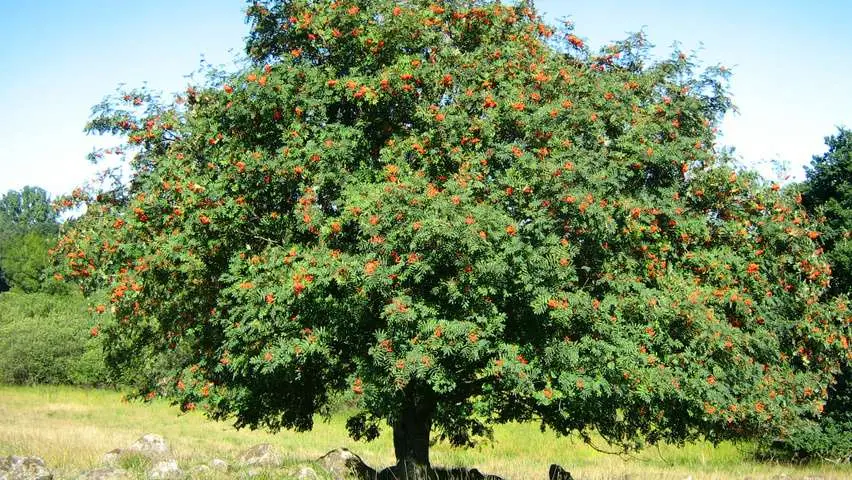
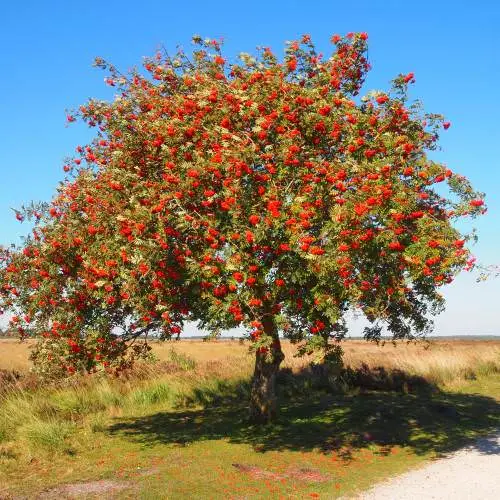
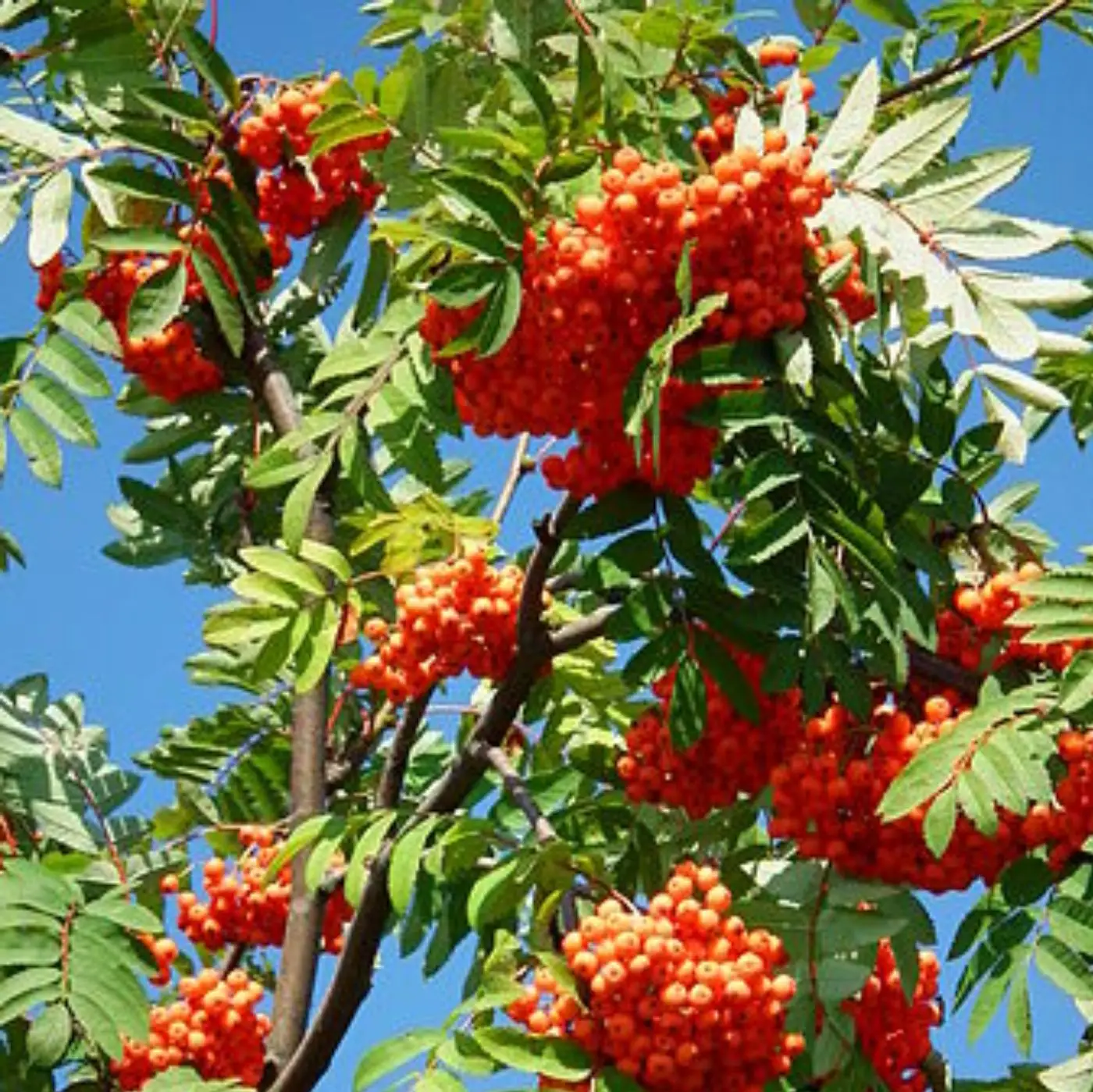
Sorbus aucuparia is a hardy deciduous tree native to Europe and parts of Asia, admired for its clusters of white spring flowers and bright orange-red berries that persist into winter. It typically grows 8 to 15 meters tall, with a narrow, rounded crown and attractive pinnate leaves that turn golden or red in autumn.
The tree is well suited to a wide range of soils and climates, thriving in full sun to partial shade. Its berries are an important food source for birds, and it is frequently planted in parks, gardens, and along streets for its ornamental and ecological value.
Sorbus aucuparia is tolerant of cold, pollution, and wind, making it ideal for urban and mountainous landscapes.
Germination Guide
🌍 Europe and western Asia, from Madeira and British Isles to Russia and northern China
Moderate
Sorbus aucuparia, commonly known as rowan or mountain ash, is a hardy deciduous tree native to Europe and western Asia belonging to the Rosaceae family. The species is valued for its ornamental white spring flowers and bright red berries that feed wildlife. Seeds exhibit deep physiological dormancy requiring extended cold stratification to break dormancy and achieve successful germination.
Germination
Germination time
Expect germination in
60 – 120 days
Temperature
Min 15°C
Ideal 18°C
Max 21°C
🌡️ Temperature alternation recommended
— Fluctuating temperatures during cold stratification improve germination. Consider storing seeds in a cold shed through winter with natural temperature fluctuations.
Substrate moisture
💧💧 High
Sowing depth
Lightly covered
Seed Pre-treatment
-
💧
Soaking — 24 hours
Soak seeds in room temperature water for 24 hours before stratification. Remove pulp from berries and rinse thoroughly to eliminate germination inhibitors.
-
❄️
Cold then warm stratification — 105 days at 4°C
-
📋
Additional notes
Perform warm stratification for 2-4 weeks at 15-25°C, followed by cold stratification at 1-5°C for 14-16 weeks. Alternatively, use direct cold stratification for 75-105 days at 4°C.
Substrate & Container
Recommended substrate
Well-drained sandy compost mixed with peat or leaf mould, 50% horticultural sand and 50% compost mixture
Recommended container
Seed trays, pots, or outdoor seedbed. Use cold frame for optimal results.
Growing Tips
Seeds have deep dormancy requiring patience. Expect slow and erratic germination over 2-4 months or even 2-3 years. Monitor pre-treating seeds regularly and sow when approximately 10% have chitted. Do not cover seeds with compost; light is beneficial to germination. Avoid high seedbed temperatures (above 20°C) which inhibit germination. Use fluctuating temperature conditions during winter stratification for improved results. Ungerminated seeds can be retreated to stimulate additional germination cycles. Seedlings grow slowly initially but develop strong root systems; keep young plants in cool conditions for the first 1-2 years.
Only logged in customers who have purchased this product may leave a review.

Reviews
There are no reviews yet.