Description
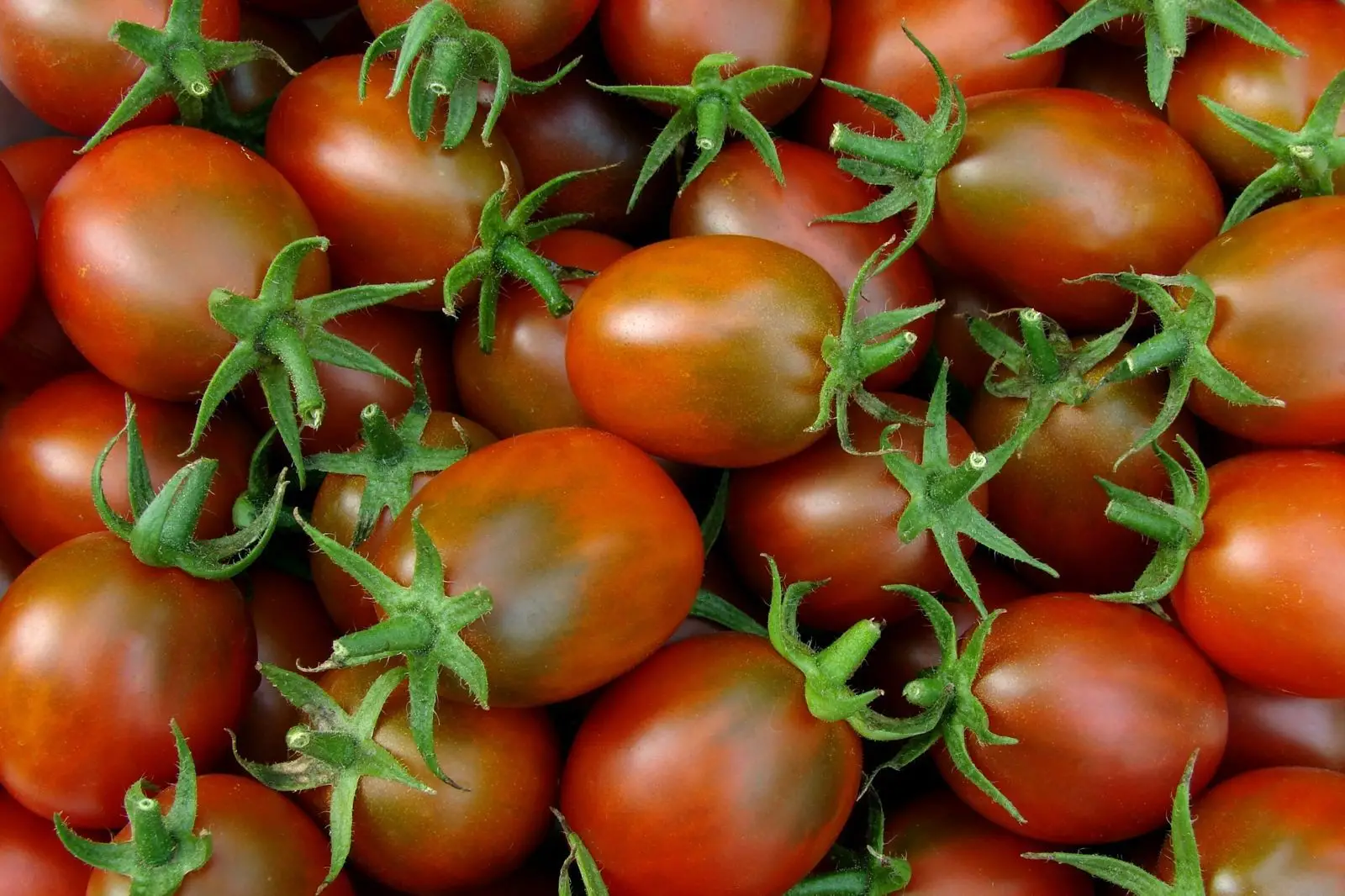
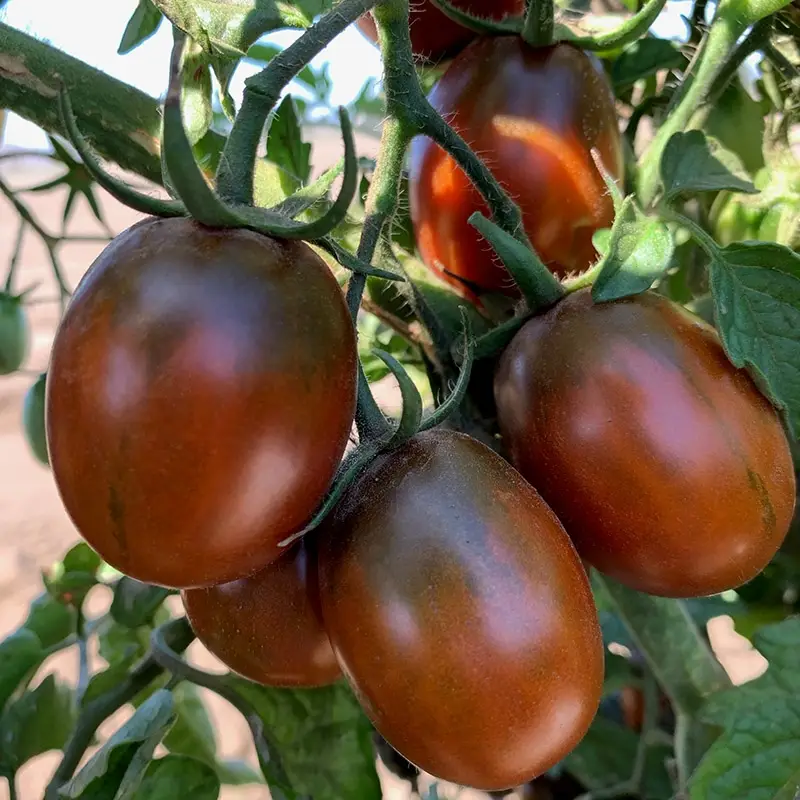
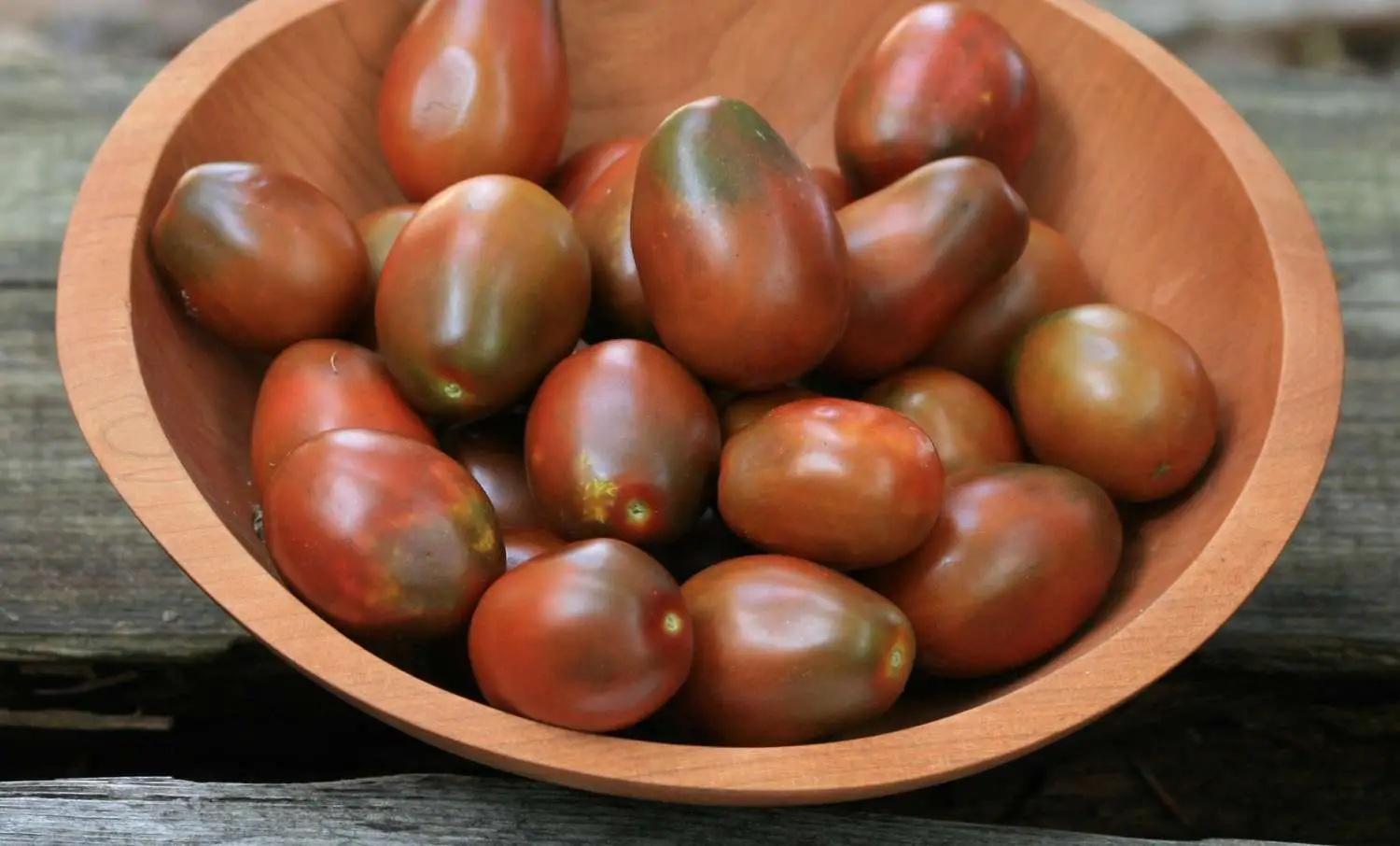
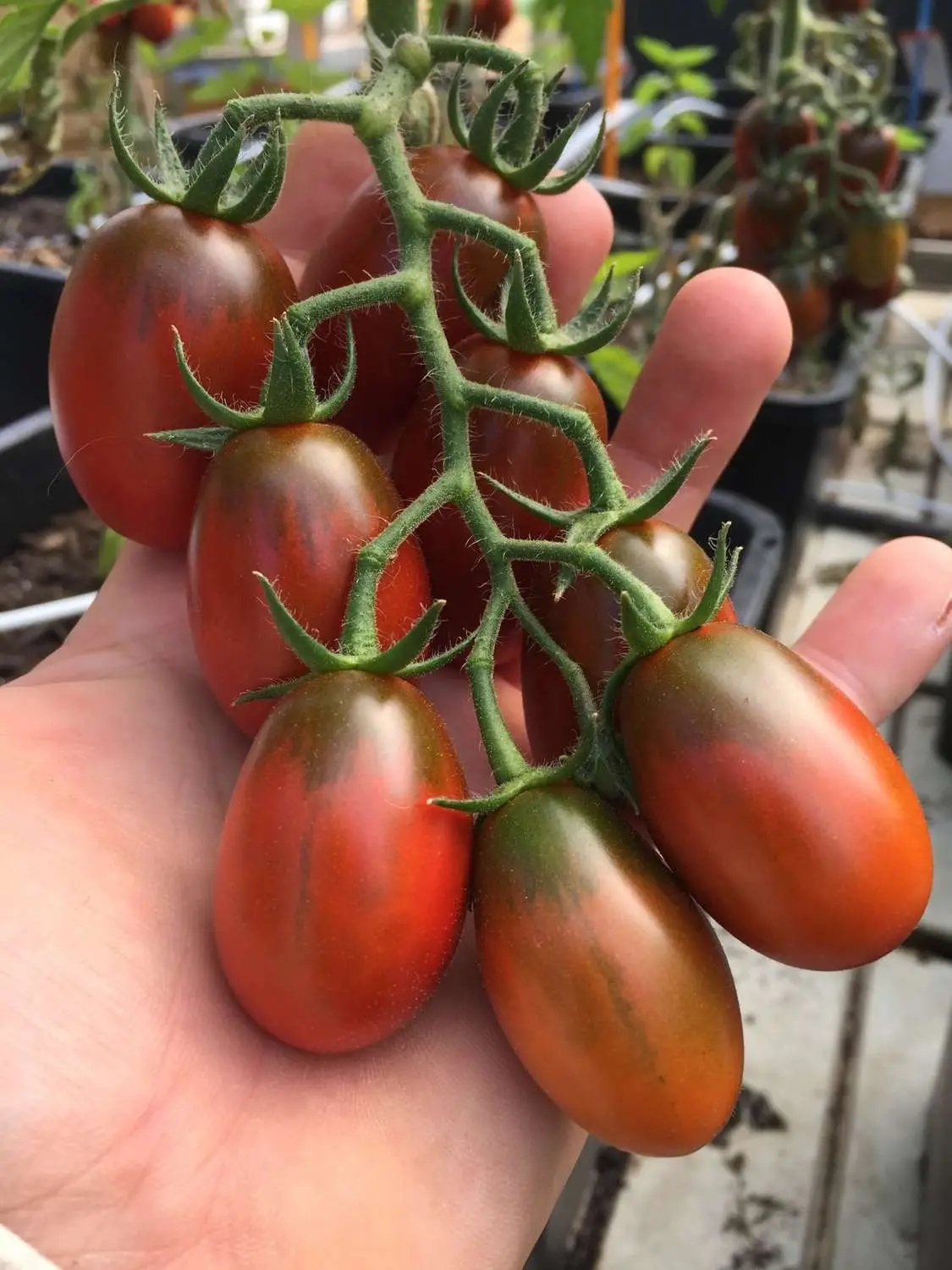
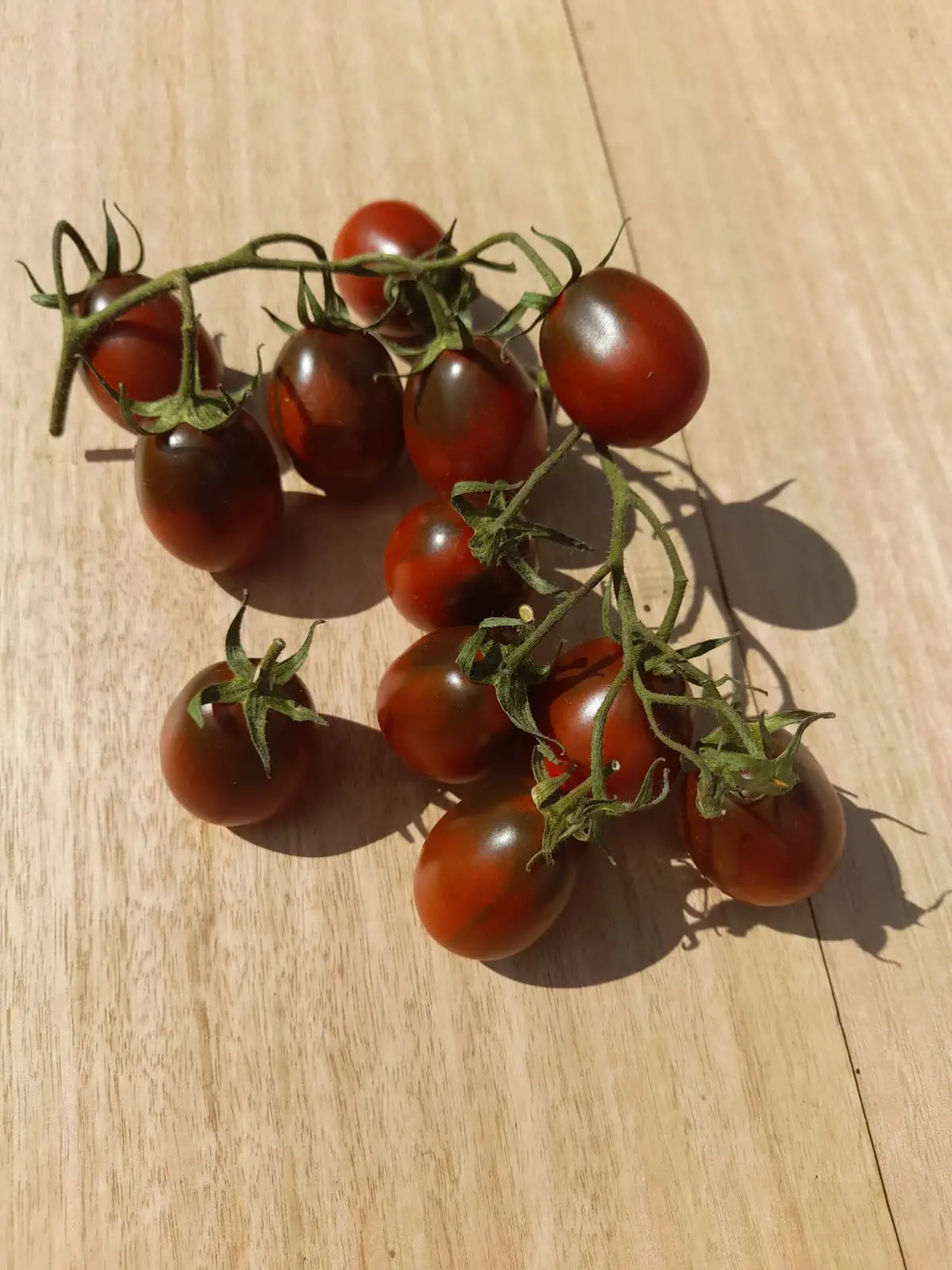
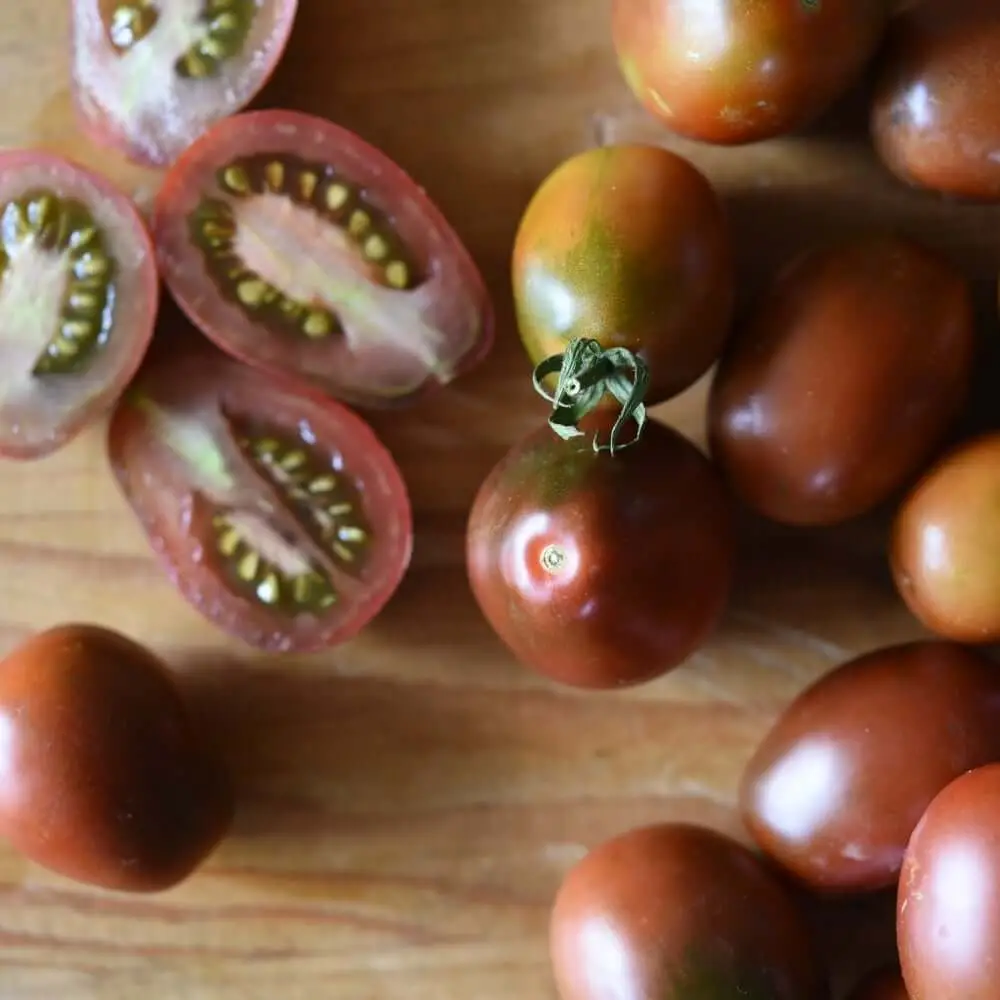
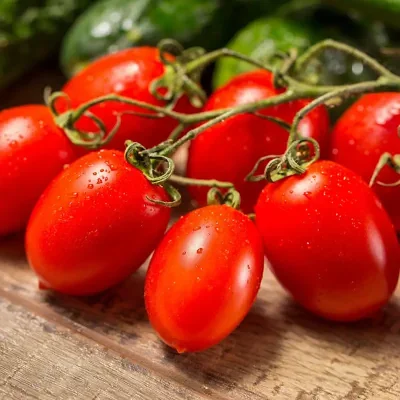
Solanum lycopersicum ‘Black Plum’ is an heirloom tomato variety valued for its unique dark coloration and rich, complex flavor. The indeterminate plants are vigorous and productive, typically growing 1.8 to 2.4 meters tall, and benefit from staking or caging. Fruits are small to medium, oval to plum-shaped, with deep mahogany to purplish-brown skin and dark red flesh. The flavor is sweet, smoky, and slightly tangy, making this variety excellent for fresh snacking, salads, roasting, and sauces.
This cultivar thrives in full sun and fertile, well-drained soil with consistent watering to support even fruit development. It is appreciated for its reliable yields and attractive, flavourful fruits throughout the growing season.
Start seeds indoors 6 to 8 weeks before the last expected frost date. Transplant outdoors only after all danger of frost has passed and soil temperatures are consistently above 16°C – 18°C. In mild or frost-free climates, seeds can be sown from late winter to early spring for best results.
Germination Guide
🌍 Russia/Ukraine (Eastern Europe)
Easy
Solanum lycopersicum 'Black Plum' is a Russian heirloom paste tomato variety acquired by Seed Savers Exchange from Marina Danilenko of Moscow in the early 1990s. This indeterminate variety produces distinctive deep mahogany to black-red, plum-shaped fruits that are excellent for sauces, pastes, and canning. Seeds germinate readily within 5-14 days when provided with warm, consistently moist conditions and do not require light for germination.
Germination
Germination time
Expect germination in
5 – 14 days
Temperature
Min 21°C
Ideal 24°C
Max 29°C
Substrate moisture
💧 Medium
Substrate & Container
Recommended substrate
Sterile seed-starting potting mix or general-purpose potting soil with perlite or vermiculite
Recommended container
Cell packs, plug trays, or small pots (less than 5 cm/2 inches) with drainage holes
Growing Tips
Maintain warm soil (70-85°F/21-29°C) using a bottom heat mat for optimal and rapid germination. Keep soil consistently moist but not waterlogged during germination; use a humidity dome to retain moisture and reduce watering frequency. Sow seeds in sterile, well-draining seed-starting mix at ¼ inch deep (approximately 6mm); cover lightly and press gently for good seed-to-soil contact. Once seedlings emerge, remove the humidity dome immediately and provide bright light (14-16 hours daily) under grow lights to prevent leggy growth. Avoid waterlogged conditions as they promote fungal diseases like damping off. Once seedlings develop their first true leaves, pot up into larger containers (3-4 inches), burying stems up to the lowest leaves to promote strong root development. Start seeds indoors 6-8 weeks before the last frost date. Transplant outdoors only after night temperatures consistently exceed 55-65°F and after gradual hardening off over 1-2 weeks. This hardy variety adapts well to diverse climates and performs especially well in cooler summer regions.
Only logged in customers who have purchased this product may leave a review.

Reviews
There are no reviews yet.