
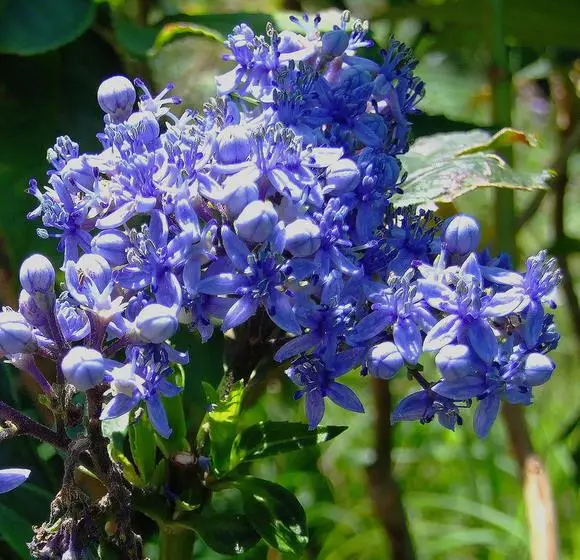


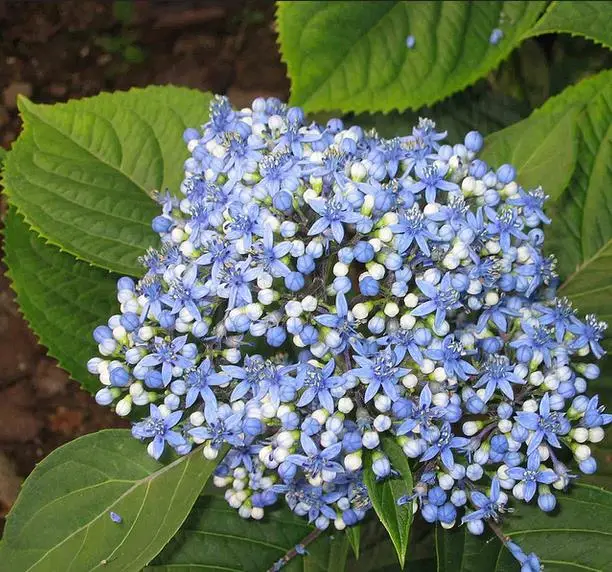
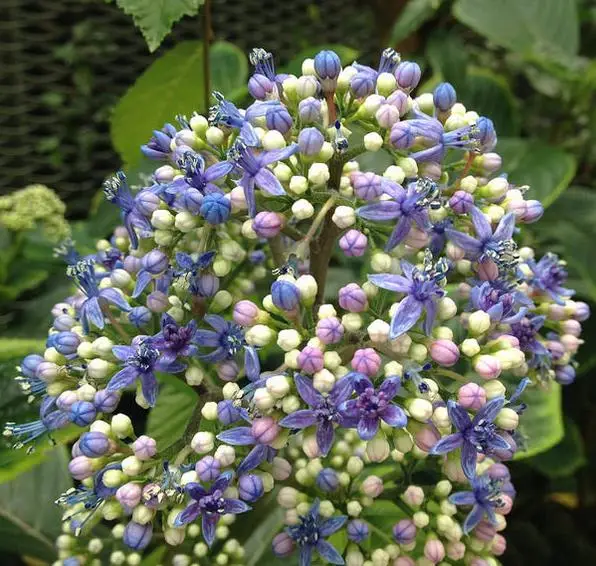

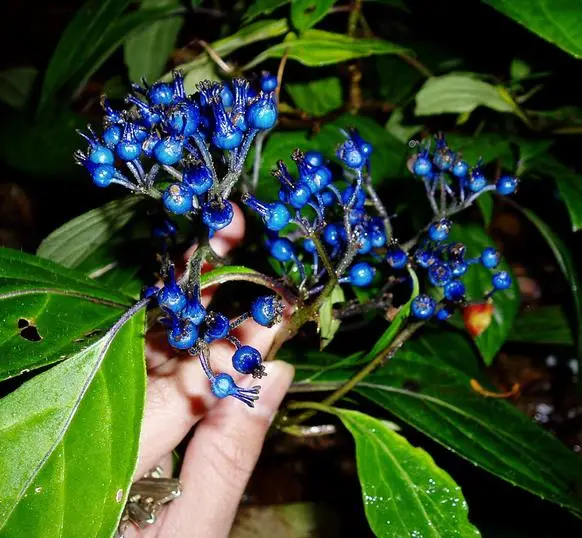
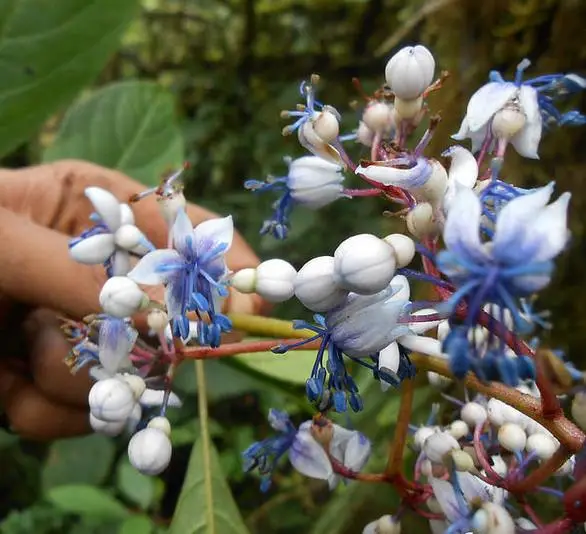
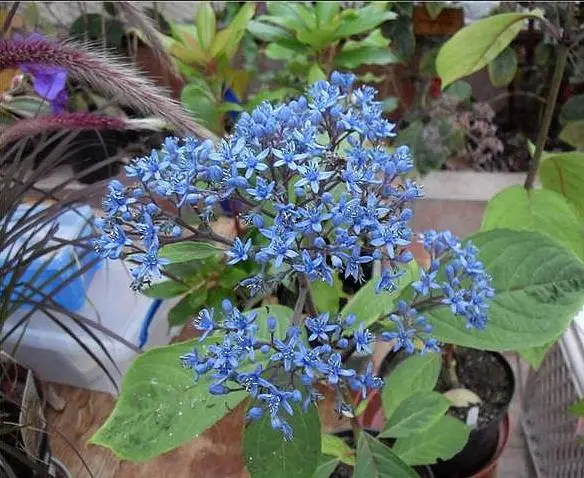
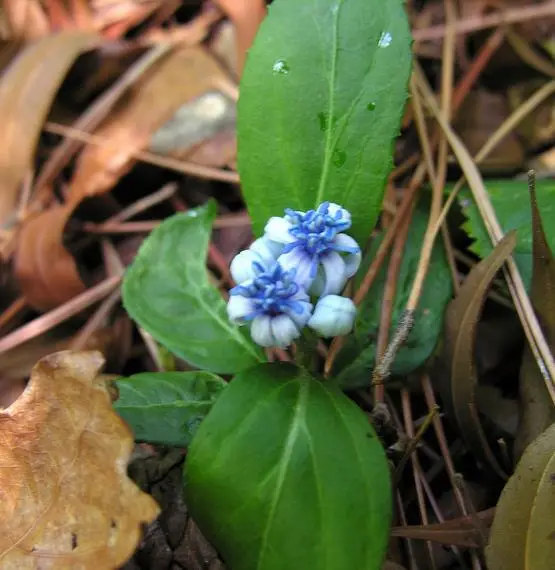
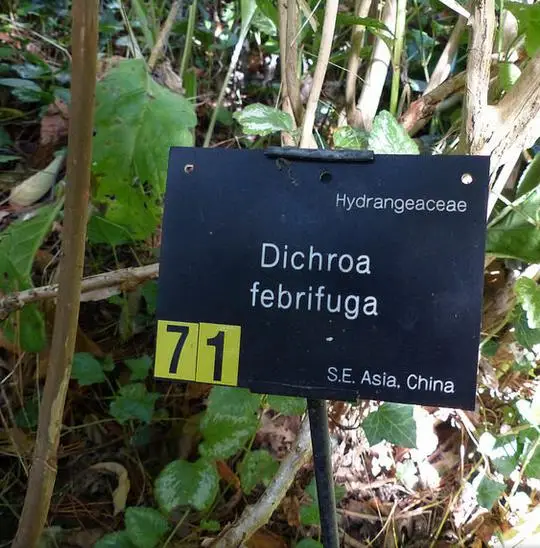
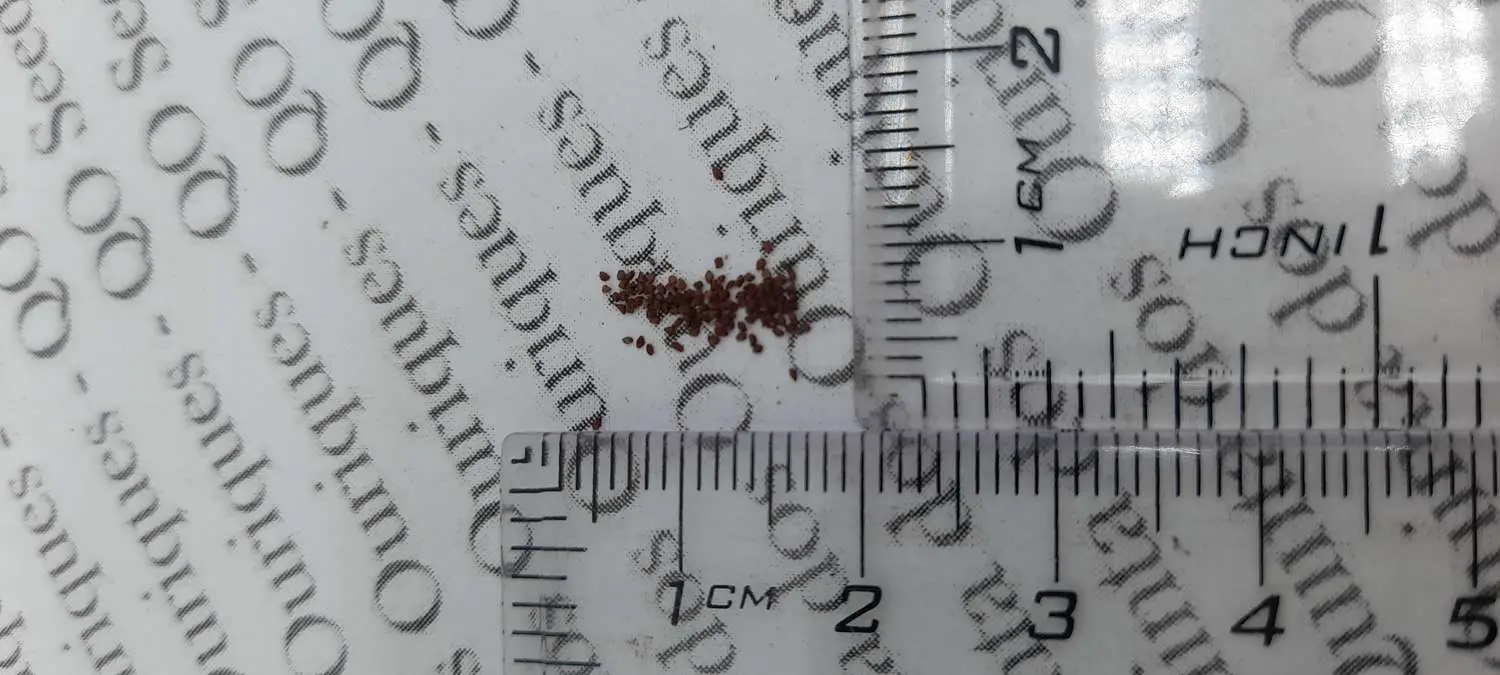
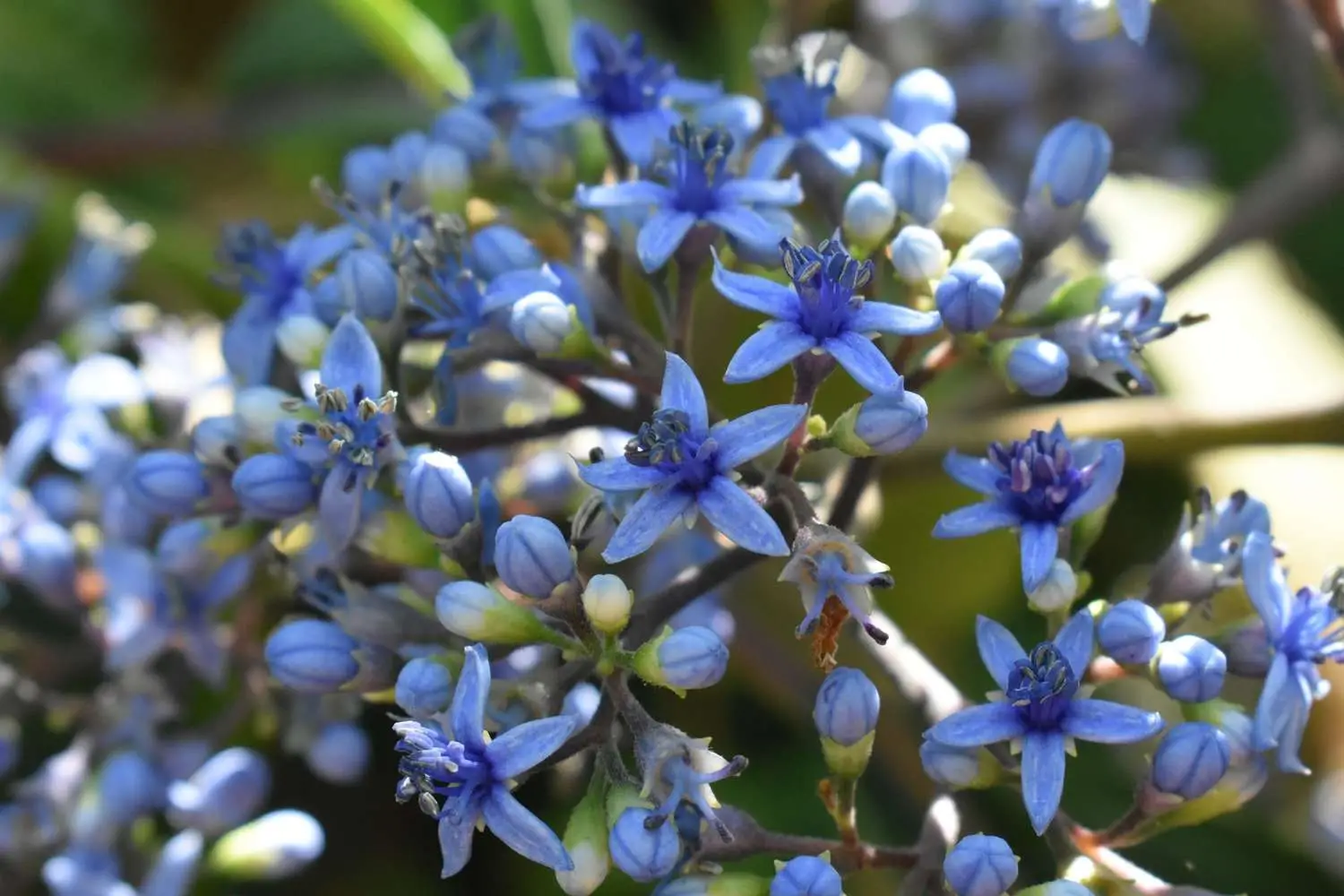
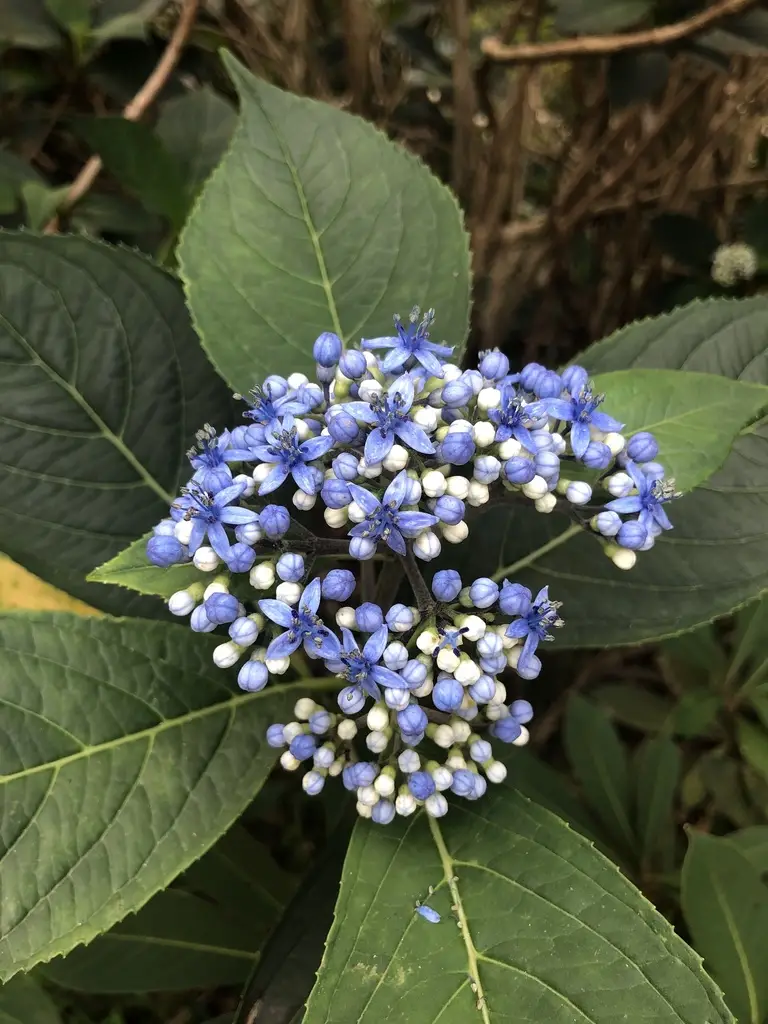
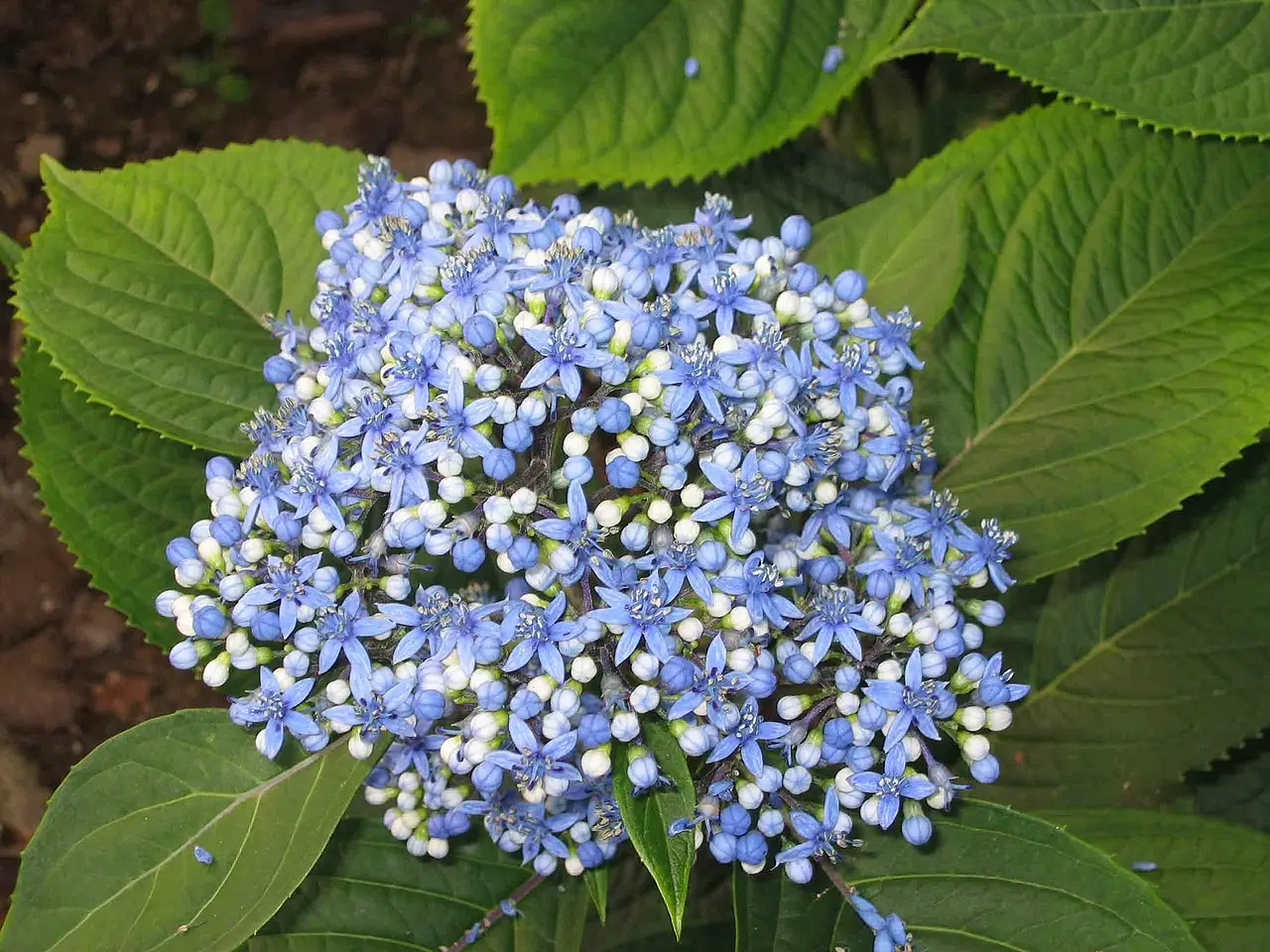


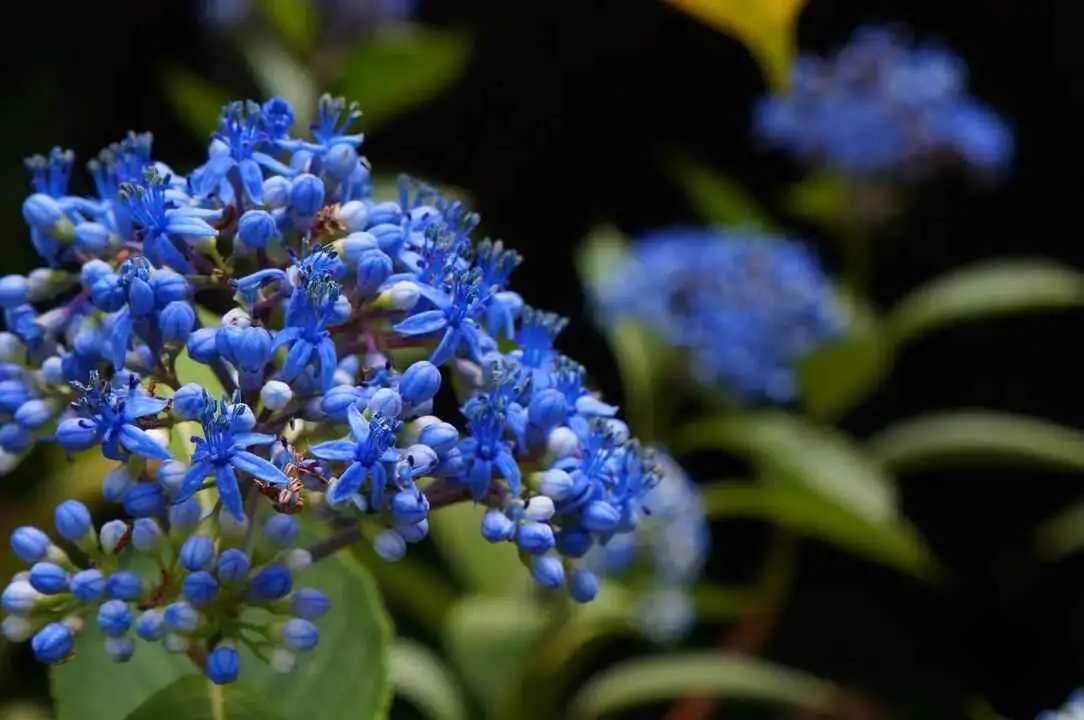

Grow the botanical source of millennia of antimalarial medicine. Dichroa febrifuga—Chang Shan—combines stunning blue star-shaped flowers and winter-long metallic berries with roots and leaves prized in traditional Chinese medicine for their potent febrifugine alkaloids. Dense, glossy, evergreen foliage makes this Hydrangea cousin effortless to cultivate in partial shade with moist, well-drained soil. A working plant with ornamental soul.
€10.37
Imagine holding a shrub whose roots have treated fever for over 2,000 years—a plant so revered it ranks among the 50 fundamental herbs of traditional Chinese medicine. Dichroa febrifuga is that plant, embodied in glossy emerald leaves and clusters of star-shaped blue and white flowers that bloom through summer into autumn.
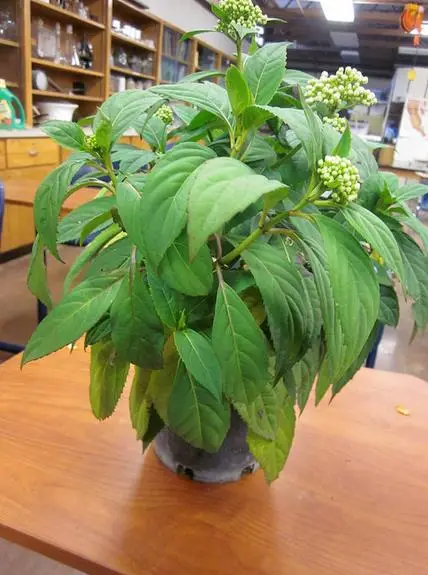
Native to the Himalayan foothills and the misty forests of southern China, Dichroa febrifuga bridges two worlds: the wildness of mountain terrain and the precision of modern botanical medicine. Known as Chang Shan in Chinese herbalism and as Chinese Quinine in the West, this Hydrangeaceae shrub holds its heritage in every stem. Growing 1–2 meters tall with a dense, bushy habit and dark glossy leaves, it forms a striking garden presence before you ever pluck a leaf for use.
But here’s where passion meets purpose: this is an antimalarial working plant. The roots and leaves contain febrifugine and isofebrifugine, alkaloid compounds that modern research has validated as powerfully effective against Plasmodium malaria parasites. Historical records trace its use back to the Chinese scholar-emperor Shen Nung (circa 2735 BC), and during World War II, when synthetic antimalarials were scarce, febrifugine was isolated from this very plant and studied intensively by pharmaceutical researchers worldwide. In traditional Chinese medicine, it’s prepared as decoctions and infusions to treat fever, parasitic infections, and inflammatory conditions—a legacy of remedy that continues in Ayurvedic and Southeast Asian herbalism. Growing Chang Shan yourself is not mere horticulture; it’s stewardship of botanical medicine.
Cultivating Dichroa febrifuga is remarkably rewarding. This easily grown shrub thrives in partial shade—mimicking its natural forest-edge habitat—with moist, well-drained, organically rich soil. It adapts to acidic, neutral, or slightly alkaline soils, though acidic conditions intensify flower color to deep gentian blue (alkaline soils yield pale lilac blooms, equally beautiful). Water consistently but allow soil to breathe between waterings. In tropical to warm subtropical climates (USDA zones 8–10), it grows with vigor; in cooler regions, protect from hard freezes with sheltered placement and mulch. The flowers arrive in June through August in terminal clusters, transitioning into striking metallic-blue to purplish berries that persist through winter, adding months of ornamental interest alongside the evergreen foliage. Plant it as a specimen shrub, in mixed borders, or as woodland screening—it performs equally well in containers.
To grow this powerful plant from seed is to participate in an unbroken chain of medicine-makers and gardeners reaching back millennia. Each seedling you nurture carries the potential to become a functioning apothecary plant, a striking garden feature, and a living connection to traditional healing knowledge. Start your Chang Shan now—and watch as glossy leaves unfold into blue flowers, then into luminous winter berries that catch the light like jewels forged in the mountains of China.
Only logged in customers who have purchased this product may leave a review.

Reviews
There are no reviews yet.