Description
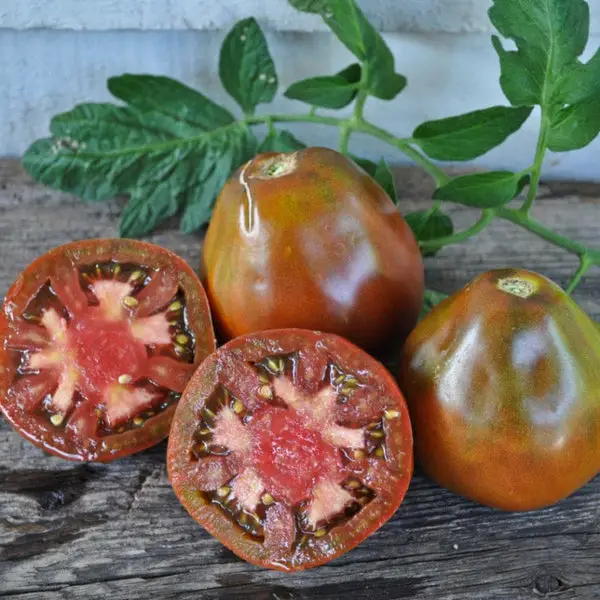
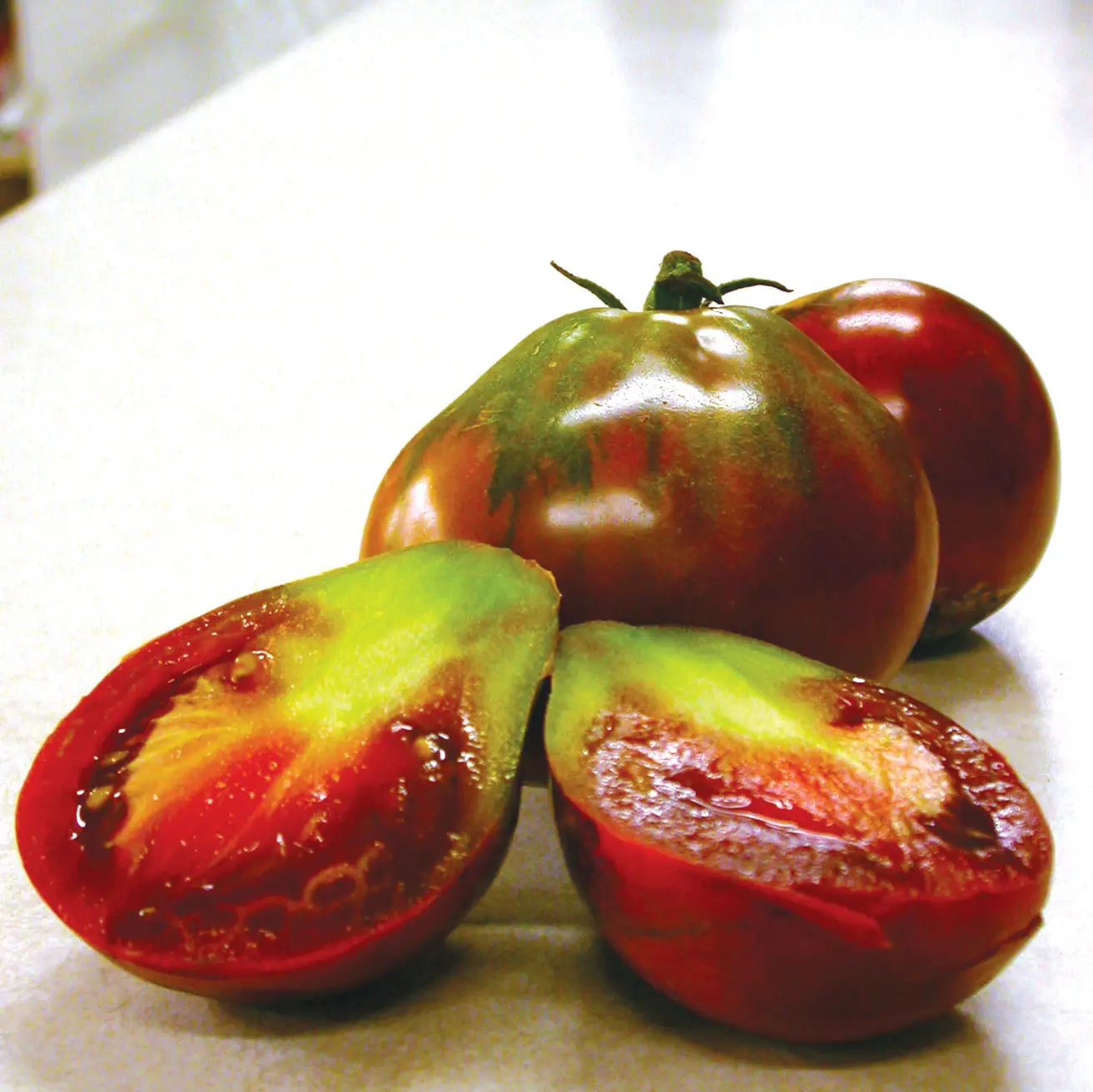
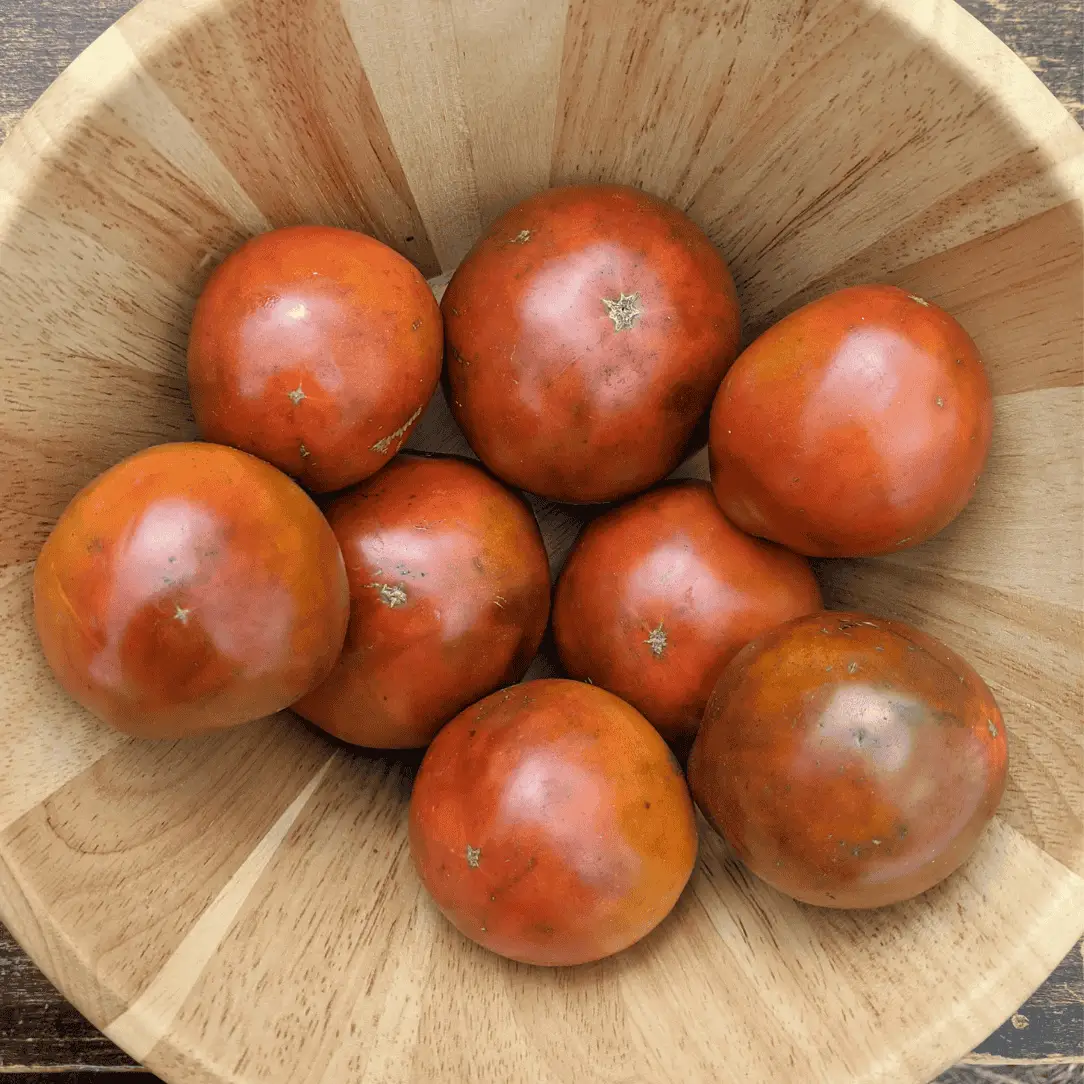
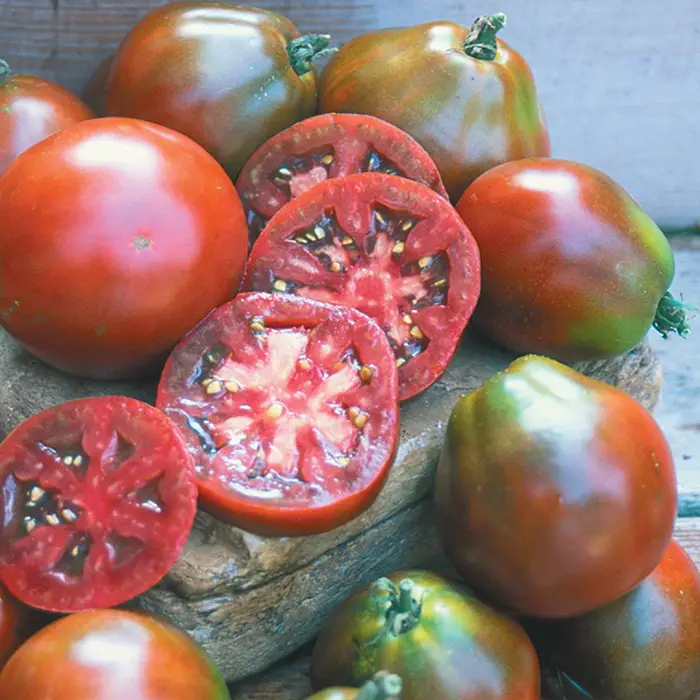
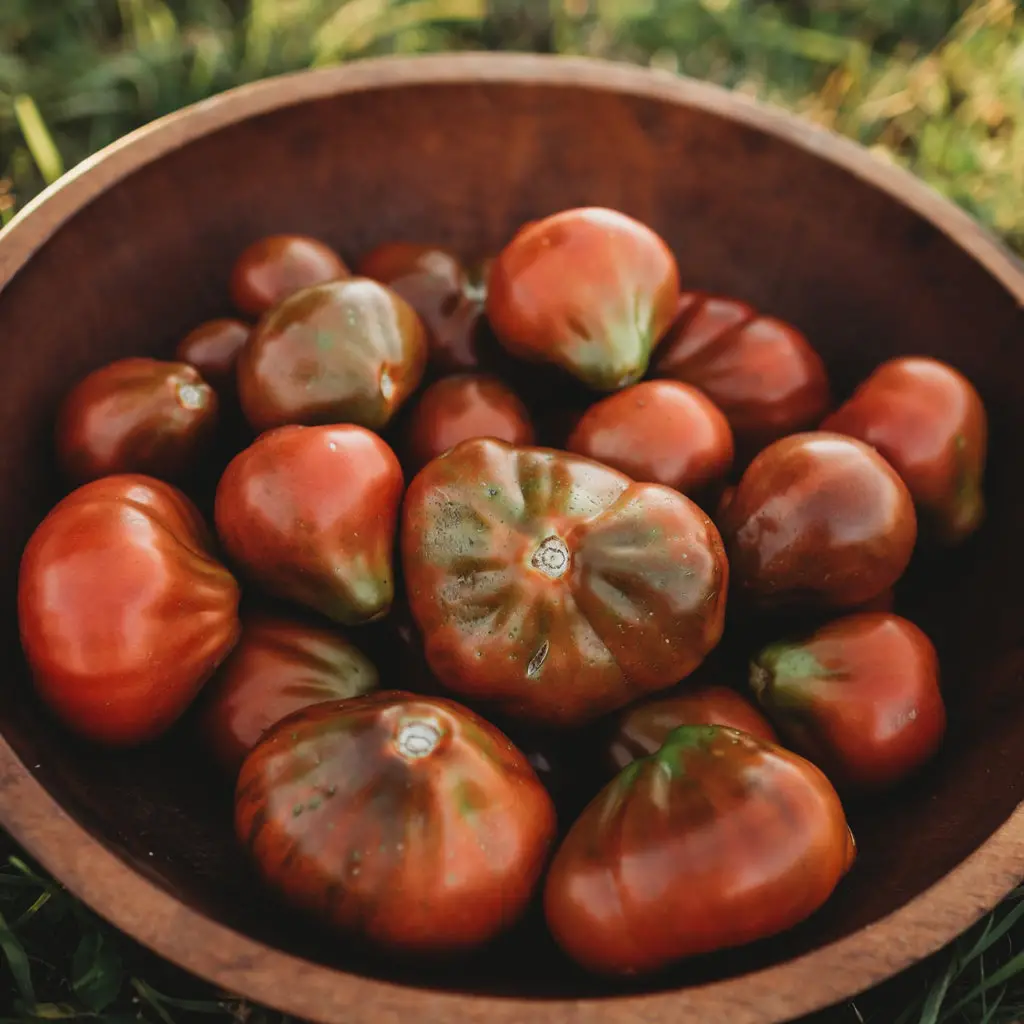
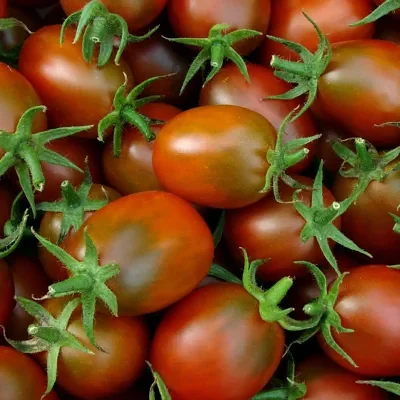
Solanum lycopersicum ‘Japanese Trifele Black’ is an heirloom tomato variety prized for its distinctive pear- to truffle-shaped fruits and rich, complex flavor. The indeterminate plants are vigorous and productive, typically reaching 1.8 to 2.4 meters in height, and benefit from staking or caging. Fruits are medium-sized with a characteristic ribbed or pear-like form, displaying deep mahogany to dark purplish-brown skin and dense, dark red flesh. The flavor is sweet, earthy, and slightly smoky, making this variety excellent for fresh salads, roasting, sauces, and specialty culinary uses.
This cultivar performs best in full sun and fertile, well-drained soil with consistent watering to ensure even fruit development. It is valued for its attractive fruits, dependable yields, and gourmet-quality taste.
Sow seeds indoors 6 to 8 weeks before the last expected frost date. Transplant outdoors once all danger of frost has passed and soil temperatures remain consistently above 16°C to 18°C. In mild or frost-free climates, seeds can be started from late winter to early spring for optimal growth and production.
Germination Guide
🌍 Russia
Easy
Solanum lycopersicum 'Japanese Black Trifele' is a Russian heirloom tomato variety prized for its distinctive pear-shaped fruits with mahogany coloring and green shoulders, despite its name suggesting Japanese origin. The variety produces 4-7 ounce meaty fruits with rich, complex, smoky flavor. Seeds germinate readily in 6-10 days under consistently warm soil conditions (75-85°F) without special pretreatment.
Germination
Germination time
Expect germination in
6 – 10 days
Temperature
Min 70°C
Ideal 80°C
Max 85°C
Substrate moisture
💧 Medium
Substrate & Container
Recommended substrate
sterile seed-starting mix
Recommended container
seed flats, trays, or pots with drainage holes
Growing Tips
Sow seeds indoors 6 weeks before the last frost date, planting 1/4 inch deep in moist sterile seed-starting mix. Use a heating mat to maintain soil temperature at 75-80°F for optimal germination. Water carefully from below and allow soil surface to dry slightly between waterings to prevent damping off caused by fungal pathogens. Remove plastic cover once seedlings emerge (7-10 days) and provide 14-16 hours of bright light daily using grow lights to prevent stretching. Once germinated, move seedlings to cooler conditions (60-70°F) and pot up to larger containers when first true leaves appear. Transplant seedlings 24-36 inches apart after all frost danger has passed. Bury the stem deeply at transplanting (up to the first or second set of true leaves) as tomatoes develop adventitious roots along buried stems, creating stronger root systems. This indeterminate variety requires staking or caging. Federal germination standard is 75%; seed remains viable 4-10 years under proper storage.
Only logged in customers who have purchased this product may leave a review.

Reviews
There are no reviews yet.