
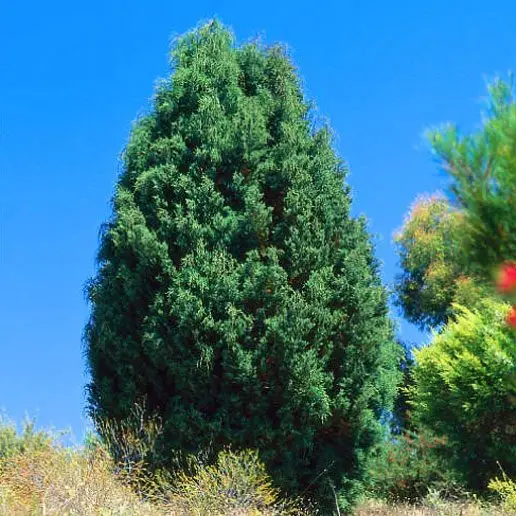
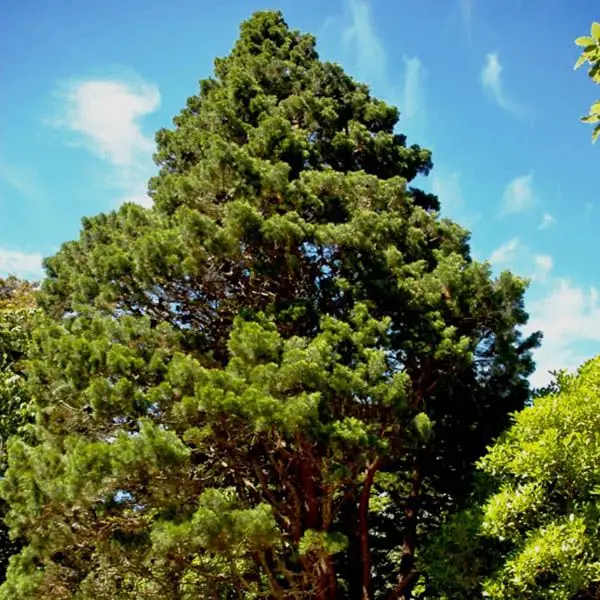
Grow your own legacy hardwood. Callitris rhomboidea yields aromatic, termite-resistant timber prized for craft, construction & fine joinery—plus it outperforms Leyland Cypress as a formal hedge or dense privacy screen. Remarkably adaptable, drought-tolerant, disease-resistant. Germinates easily from seed in 2-4 weeks. Start now, harvest for generations.
€1.92
Grow the timber every craftsperson and landowner dreams of—a living investment that becomes more valuable each decade.
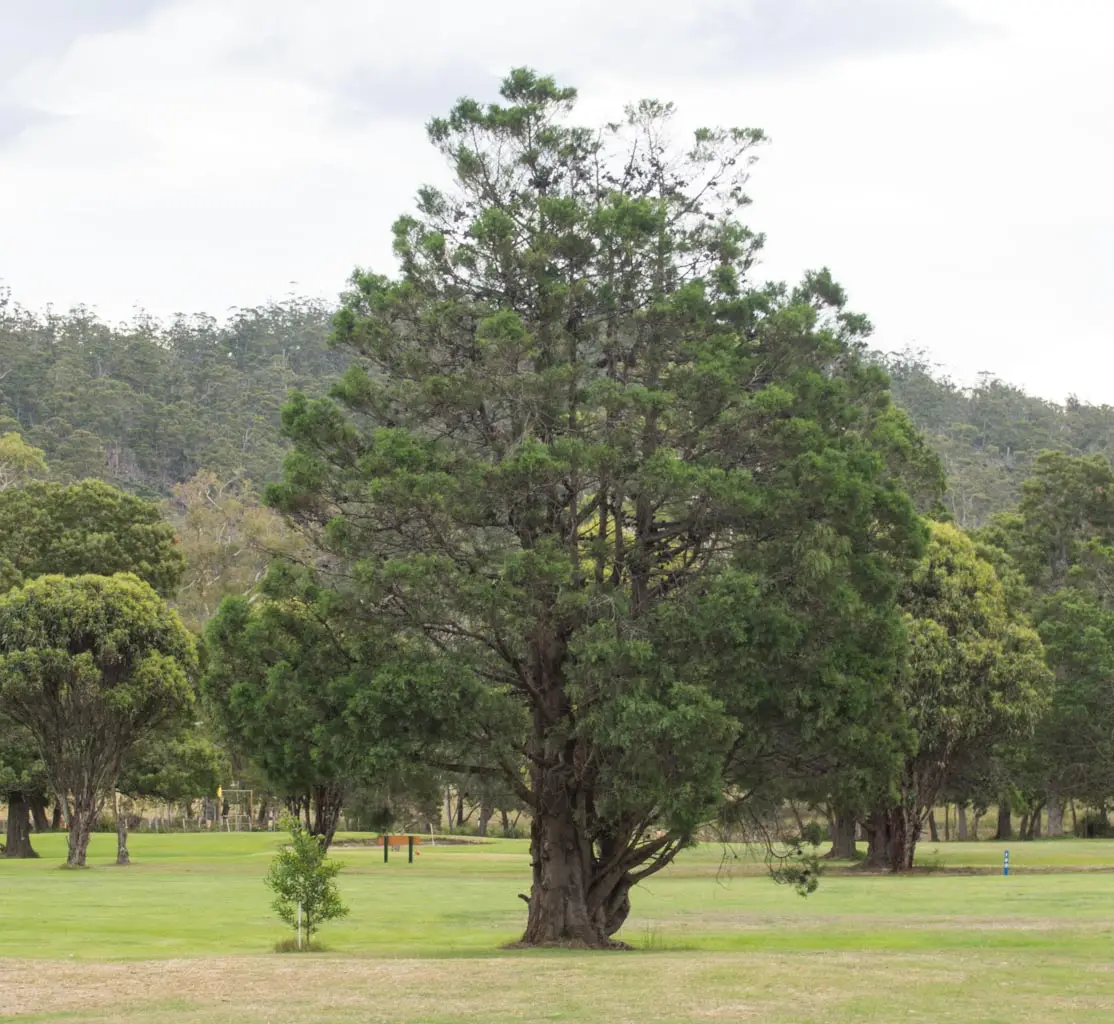
Callitris rhomboidea, the legendary Oyster Bay Pine, is an elegant Australian conifer native to coastal and highland regions of eastern Australia. For nearly two centuries, it has been quietly treasured by builders, furniture makers, and landscape architects who know a secret: this tree produces wood of extraordinary character. Cultivated since early European settlement for its graceful form and aromatic, termite-resistant timber, it remains one of Australia’s most underrated native treasures.
The moment you grow Callitris rhomboidea, you unlock access to aromatic, termite-resistant timber used for construction, fence posts, boat building, and furniture. Exceptionally resistant to decay and termite attack, Callitris wood is often attractively marked, fairly hard and dense for a softwood, and known as the world’s hardest coniferous timber. Unlike exotic alternatives, this wood improves with age and weathers beautifully, becoming richer and more complex. Whether you’re crafting fine boxes, building heritage structures, or creating heirloom furniture, Callitris rhomboidea delivers wood that tells a story. Indigenous Australians used the foliage medicinally and the resinous wood for various purposes including fire-making—a testament to this species’ depth of character.
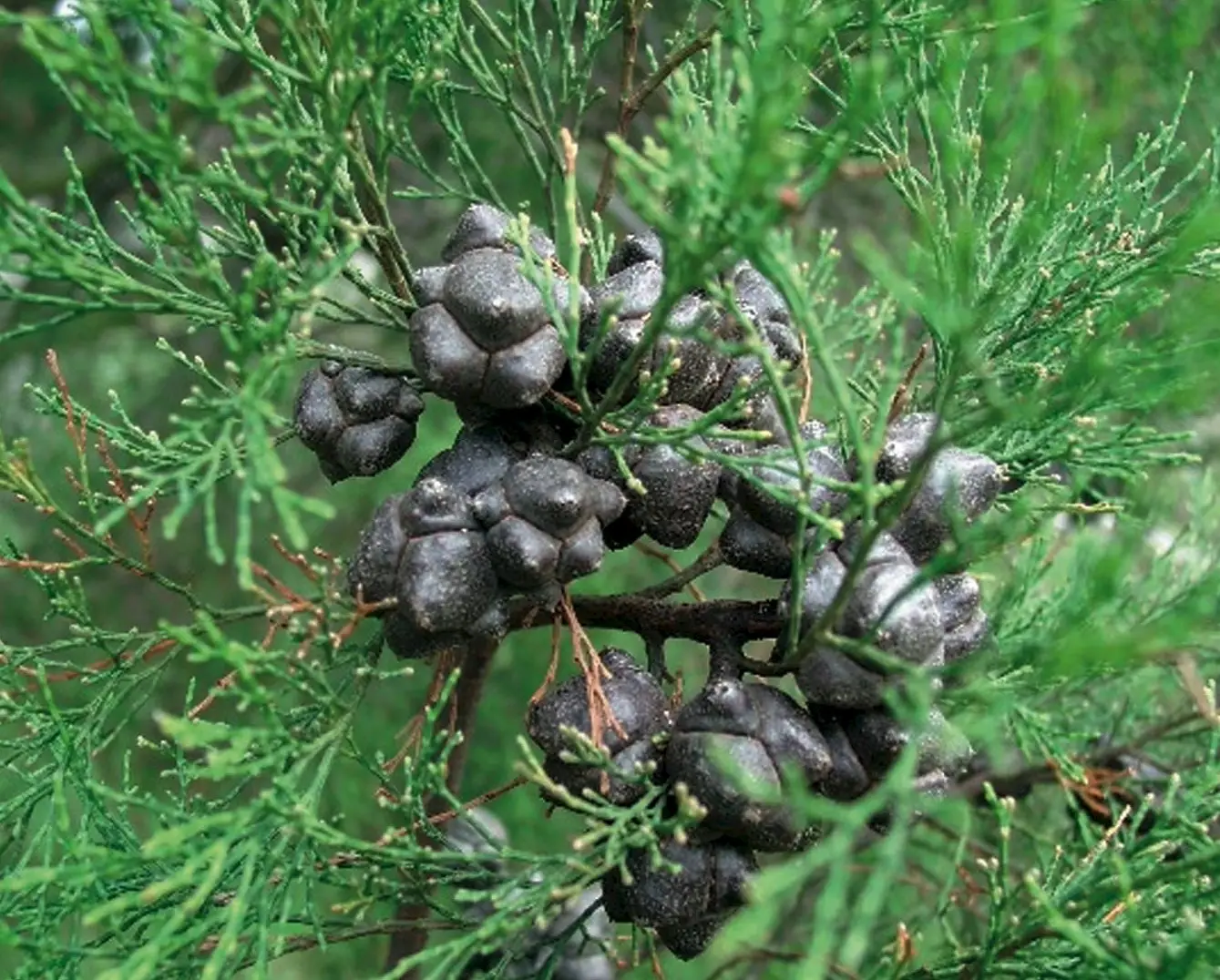
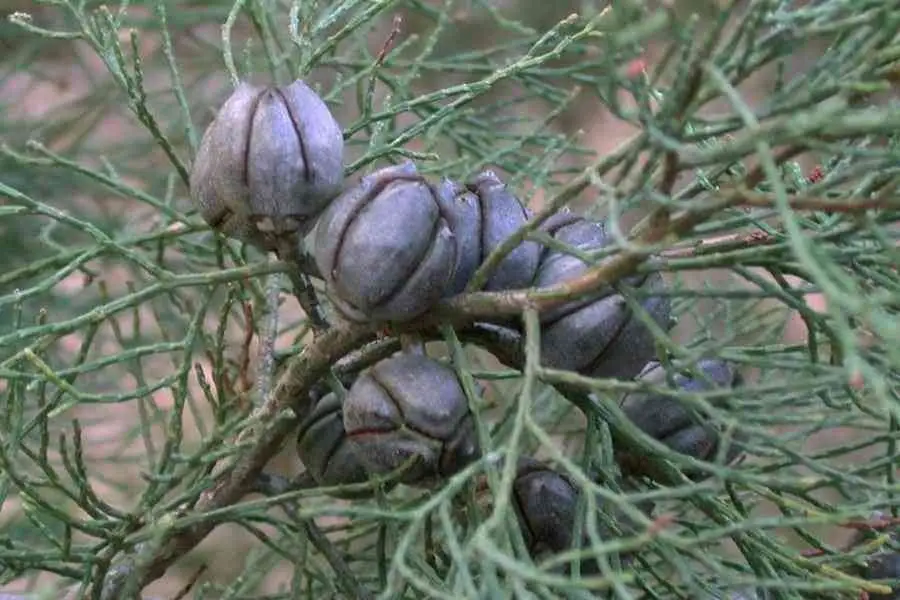
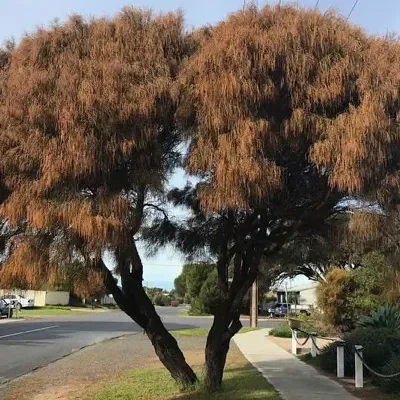
But Callitris rhomboidea is far more than a timber investment. It’s the ultimate screening plant. One of Australia’s most handsome and versatile native conifers, with dense, deep-green foliage, classic conical shape, and incredible resilience. If you’ve struggled with Leyland Cypress canker or watched hedges wither in summer heat, this is your answer. Significantly more drought-tolerant, resistant to pathogens, and adaptable to a wider range of soils than Leyland Cypress, making it a smarter, more robust long-term choice for a formal hedge or dense privacy screen. Magnificent, mature specimens thrive in challenging public spaces, such as Sydney’s Olympic Park. Also ideal for bonsai cultivation, making this species endlessly versatile—hedge, windbreak, sculptural specimen, or miniature masterpiece. The foliage takes on a purple tinge in cooler months, and the distinct pine cones which form after flowering add to its appeal and can remain on the tree for years—a living ornament that rewards attention.
Growing Callitris rhomboidea from seed is remarkably straightforward. It thrives in full sun and well-drained soils, tolerating a wide range from sandy to heavy clay, acidic to alkaline conditions. It prefers moderate rainfall and is more tolerant of moisture than many Callitris species, though still drought-tolerant once established. Minimal fertilization is needed, as the tree adapts to low-nutrient soils. It thrives in full sun and well-drained soils, tolerating a wide range from sandy to heavy clay, acidic to alkaline conditions. Once established, it asks for very little—no fussing, no constant watering, no disease sprays. Water regularly during the first one or two seasons to establish a deep and robust root system. Once established, it is extremely drought-tolerant and will require very little supplemental watering. Hardy in USDA zones 7-10, it is the most cold-tolerant Callitris species, withstanding temperatures to around 0-10°F once established, making it suitable for cooler temperate climates than most Australian conifers. Seeds germinate within around 14-28 days in suitable conditions, and
Only logged in customers who have purchased this product may leave a review.


Reviews
There are no reviews yet.