
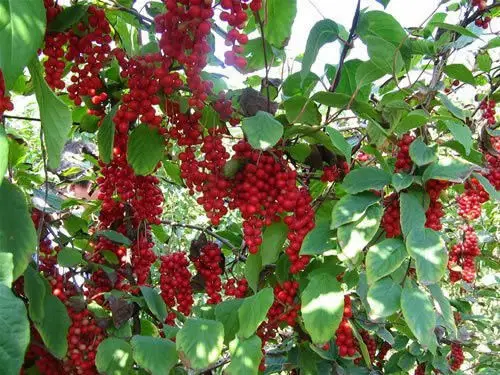
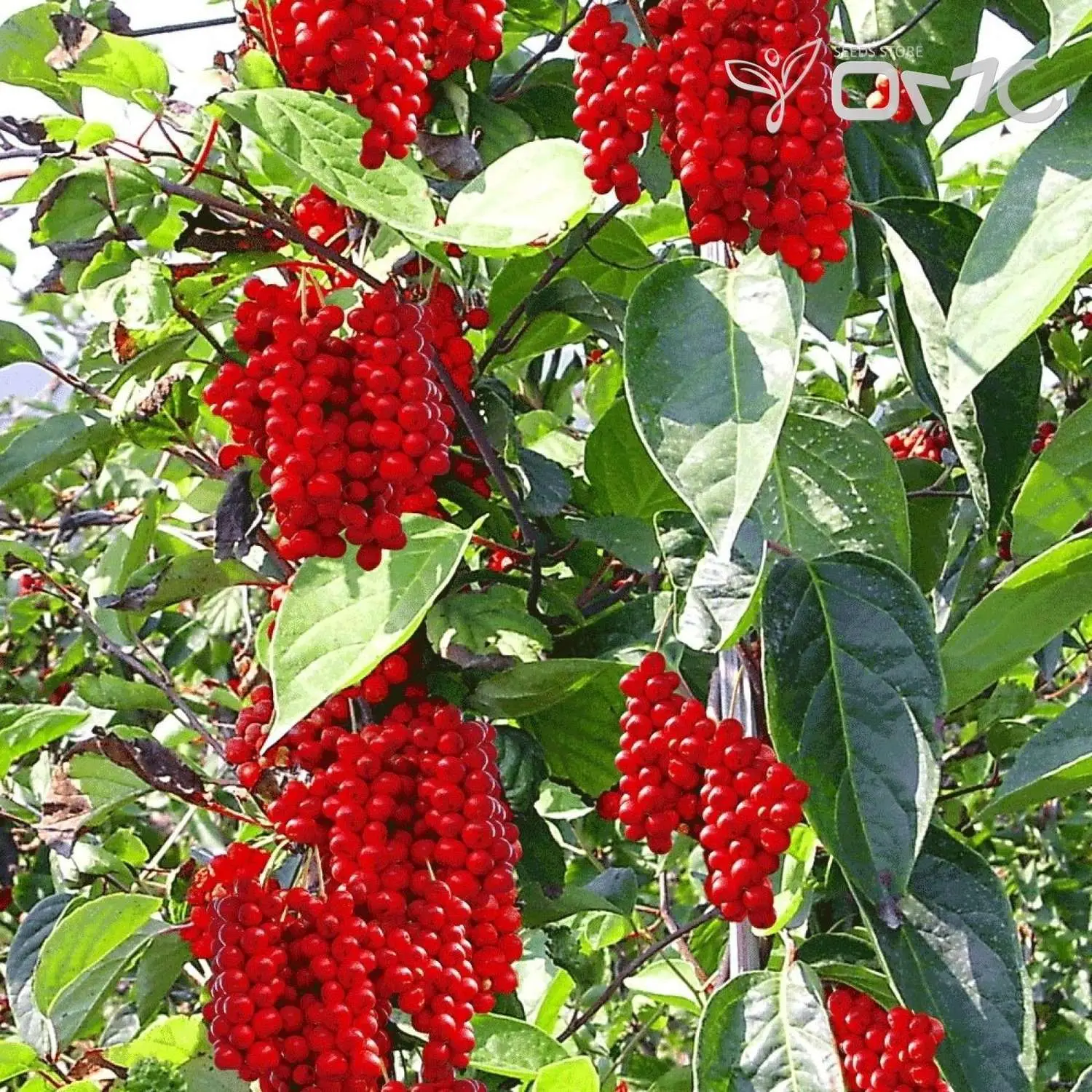
Grow the legendary adaptogenic berry that’s powered warriors and scholars for 2,000 years. Schisandra’s crimson clusters deliver all five flavors—and genuine stress resilience, immune support, and mental clarity. Dry them for tea, infuse for tinctures, or eat fresh. Medium growth, moderate care. This is the superfruit your garden—and your wellness routine—has been waiting for.
€2.17
Imagine a single berry that tastes like all five fundamental flavors at once while simultaneously awakening your body’s ability to handle stress, sharpen focus, and reclaim vitality—this is Schisandra chinensis, the Five-Flavor Fruit, and it’s one of nature’s most potent superfruits.
Native to the mountainous forests of northeastern China, Russia, Korea, and Japan, Schisandra chinensis carries millennia of reverence. The ancient Chinese pharmacopeia “Shennong Bencao Jing” (c. 2nd century CE) praised it for calming the spirit and invigorating qi; Russian hunters have consumed it for centuries to fight fatigue on long expeditions; and by the 1950s, Soviet scientists formally recognized it as an adaptogen—a rare botanical ally that helps your body resist stress, restore balance, and perform at its peak. This is not a trendy supplement. This is a plant with credentials earned through 2,000+ years of proven use.
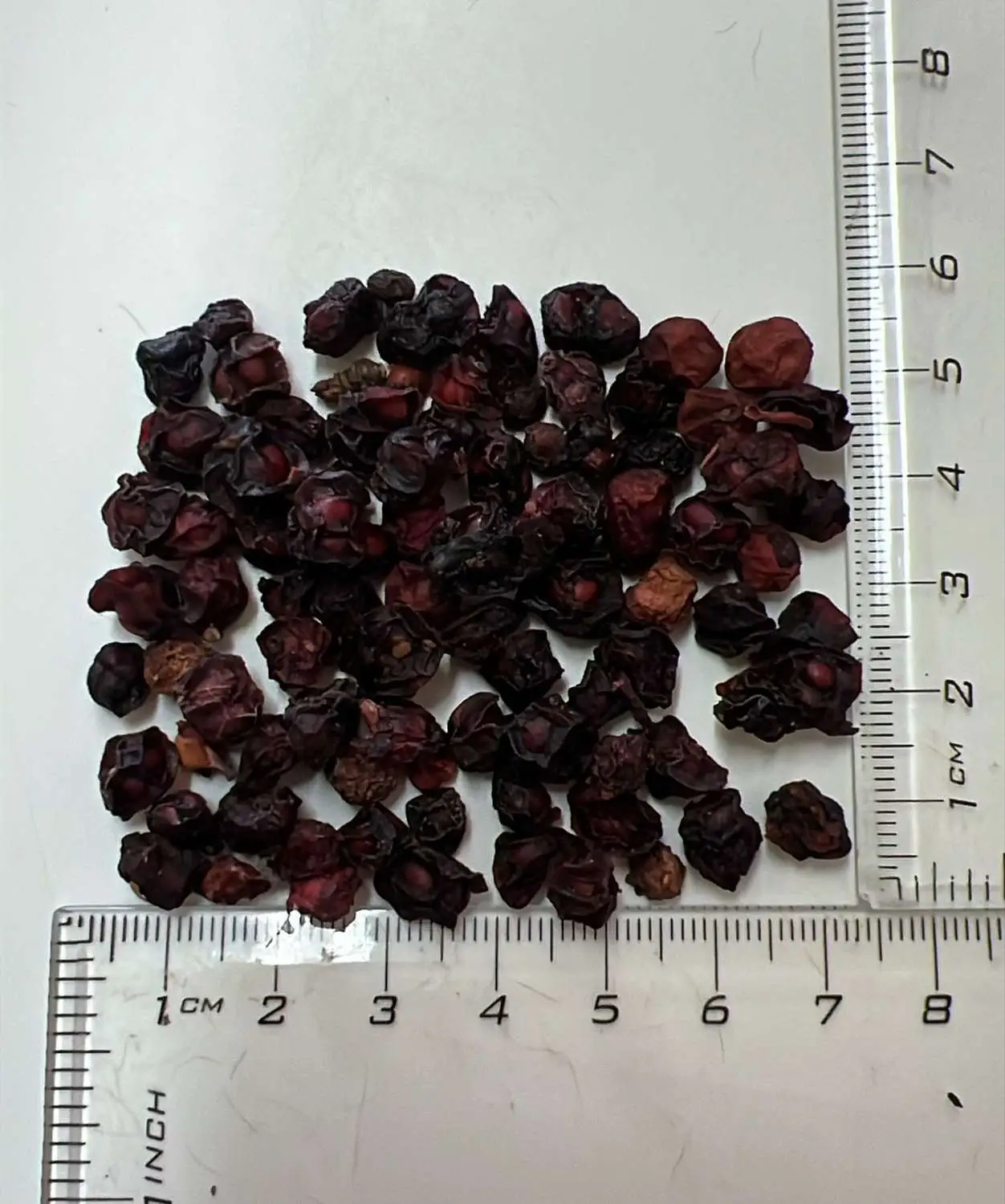
But here’s what makes Schisandra the protagonist in your wellness story: it’s a genuine adaptogenic superfruits used to support overall stamina, vitality, liver health, cognitive function, and immune resilience. The berries contain powerful lignans (schisandrin A & B) and polysaccharides that scientific research has shown support healthy liver function, protect the nervous system, and help the body adapt to physical and emotional stressors. Unlike stimulants that spike and crash, Schisandra works subtly and deeply—tonifying your qi, balancing your five internal organs (according to Traditional Chinese Medicine), and promoting longevity. You can dry the berries for a complex, astringent tea; steep them into a tincture for daily support; add them to culinary dishes for their unique sweet-sour-salty-bitter-pungent flavor; or simply eat them fresh. They’re incredibly versatile, making them perfect for herbalists, tea enthusiasts, and wellness seekers alike.
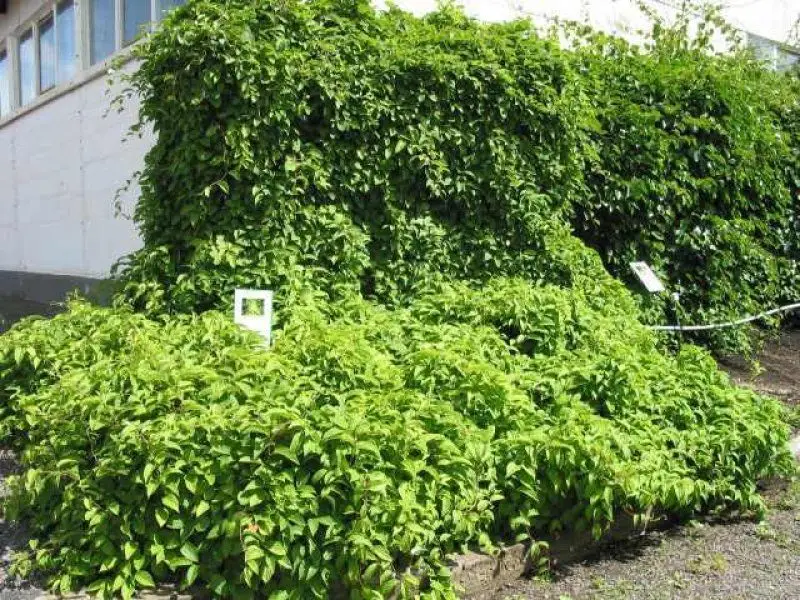
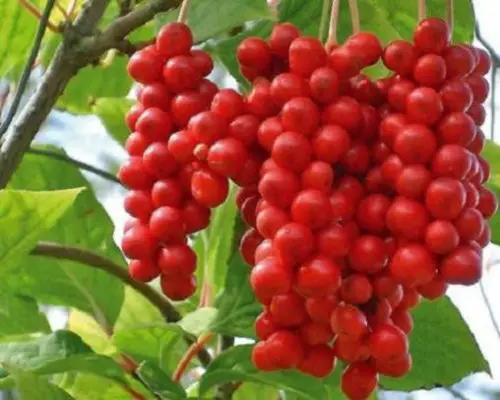
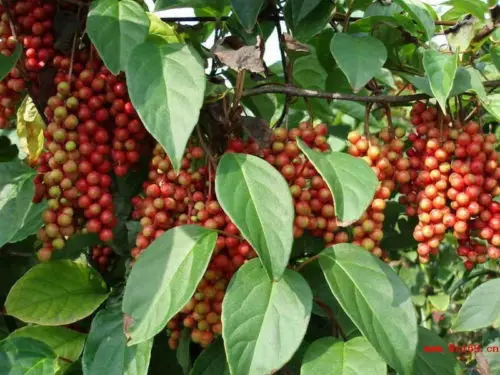
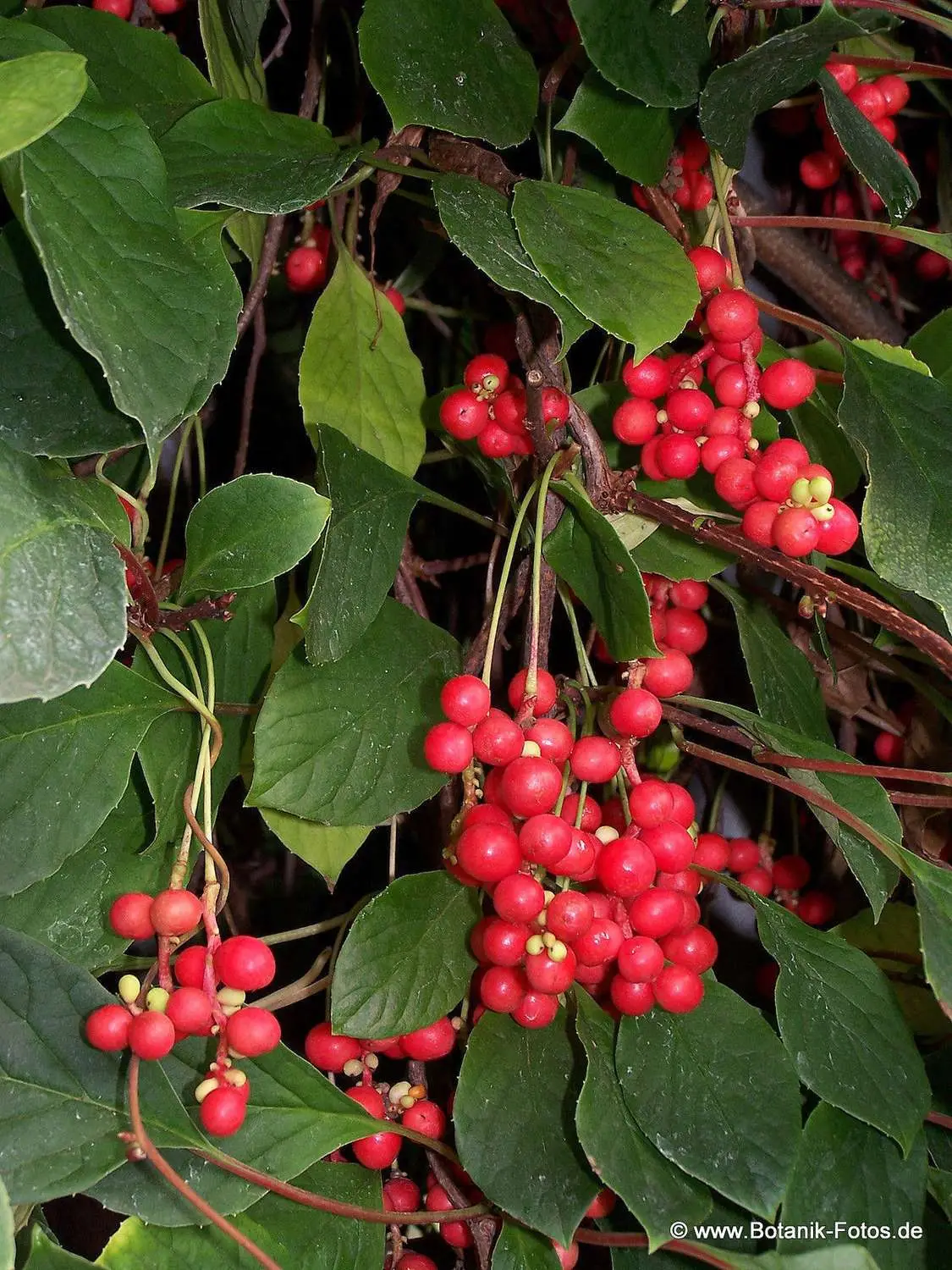
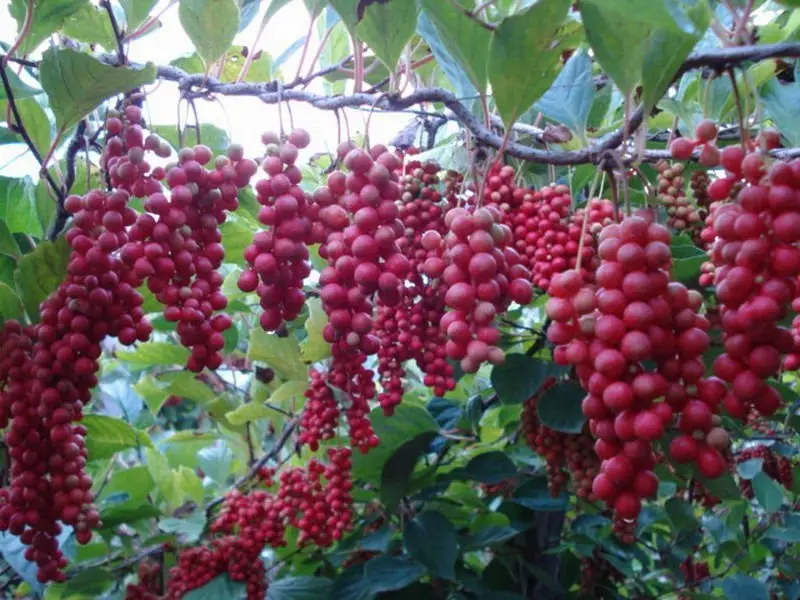
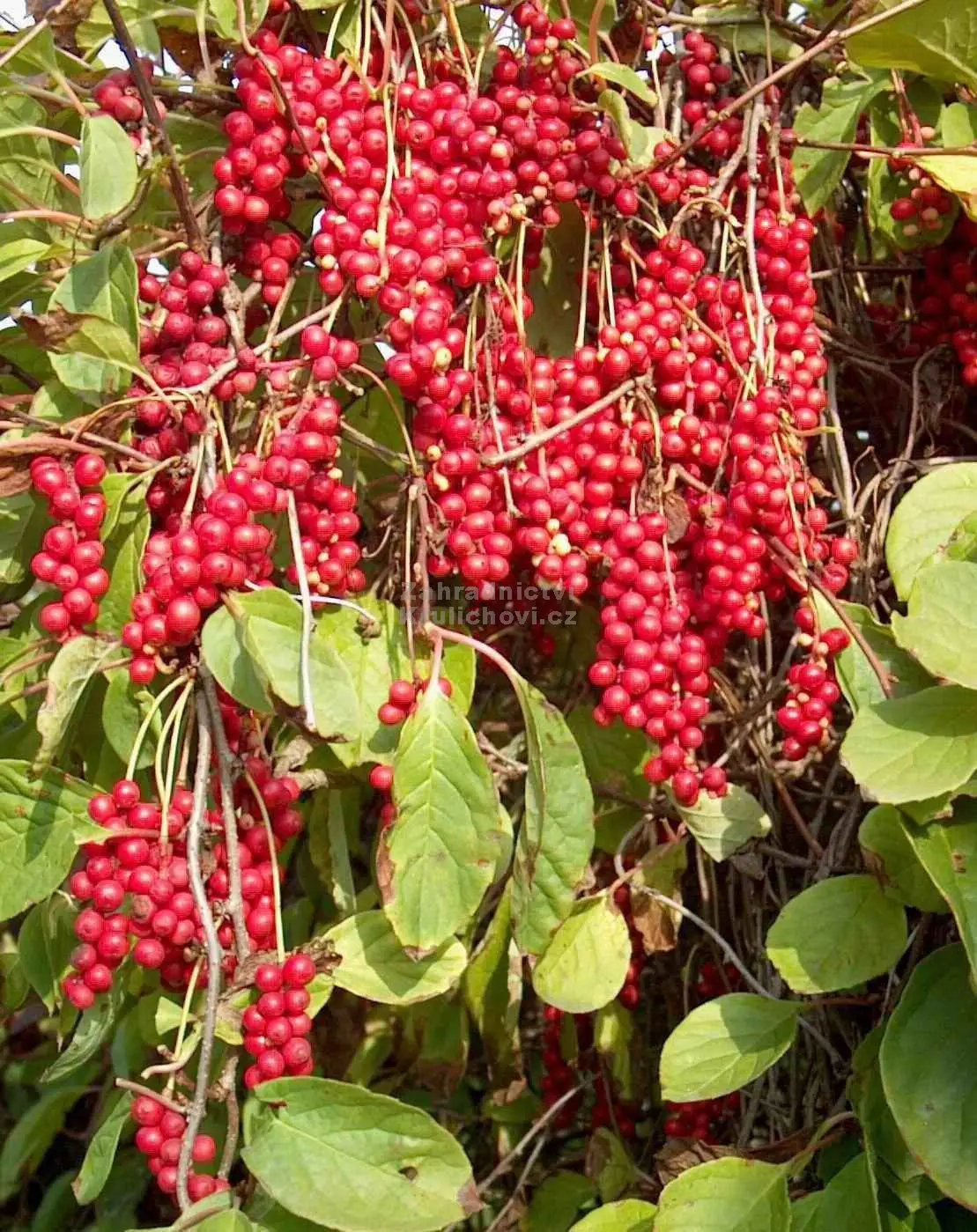
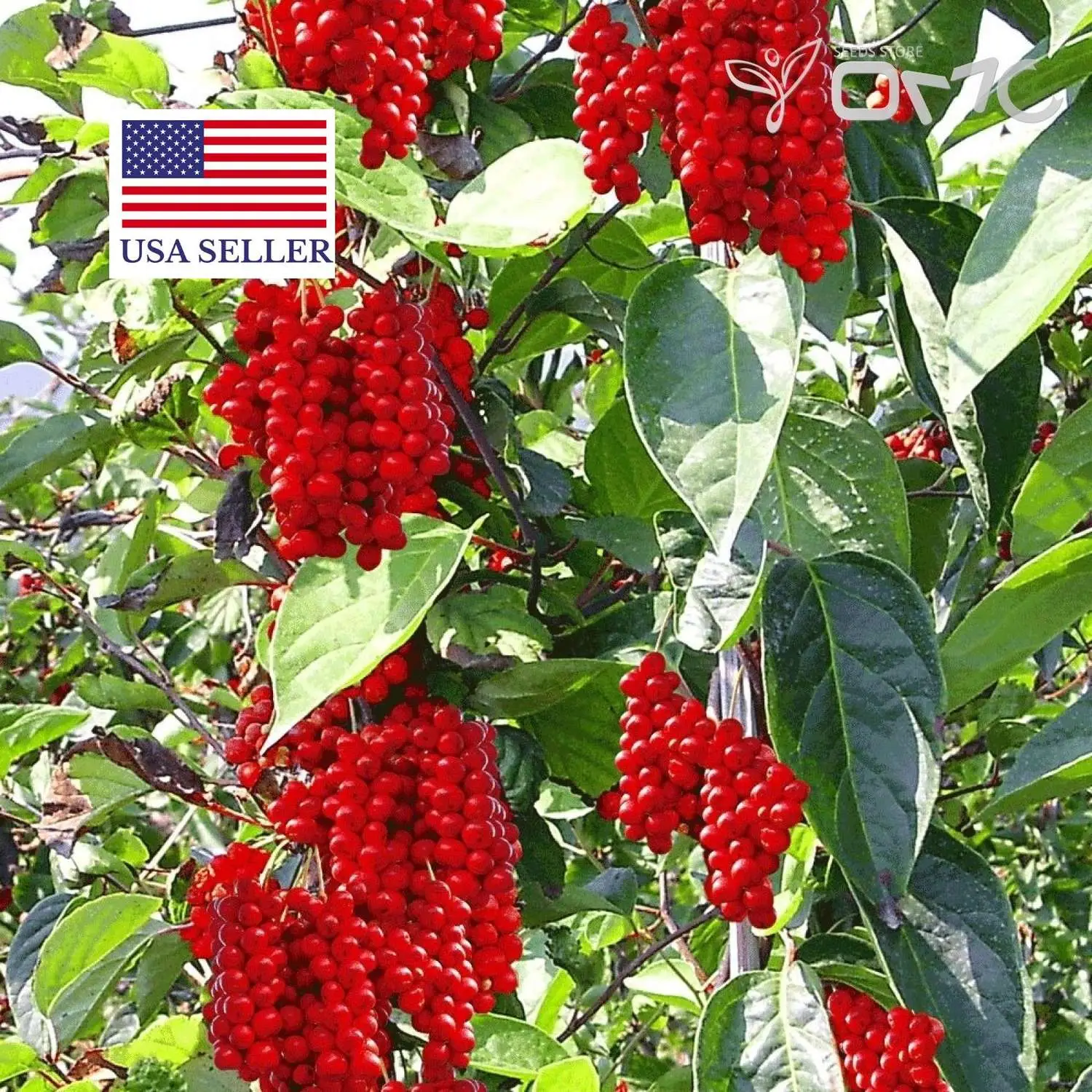
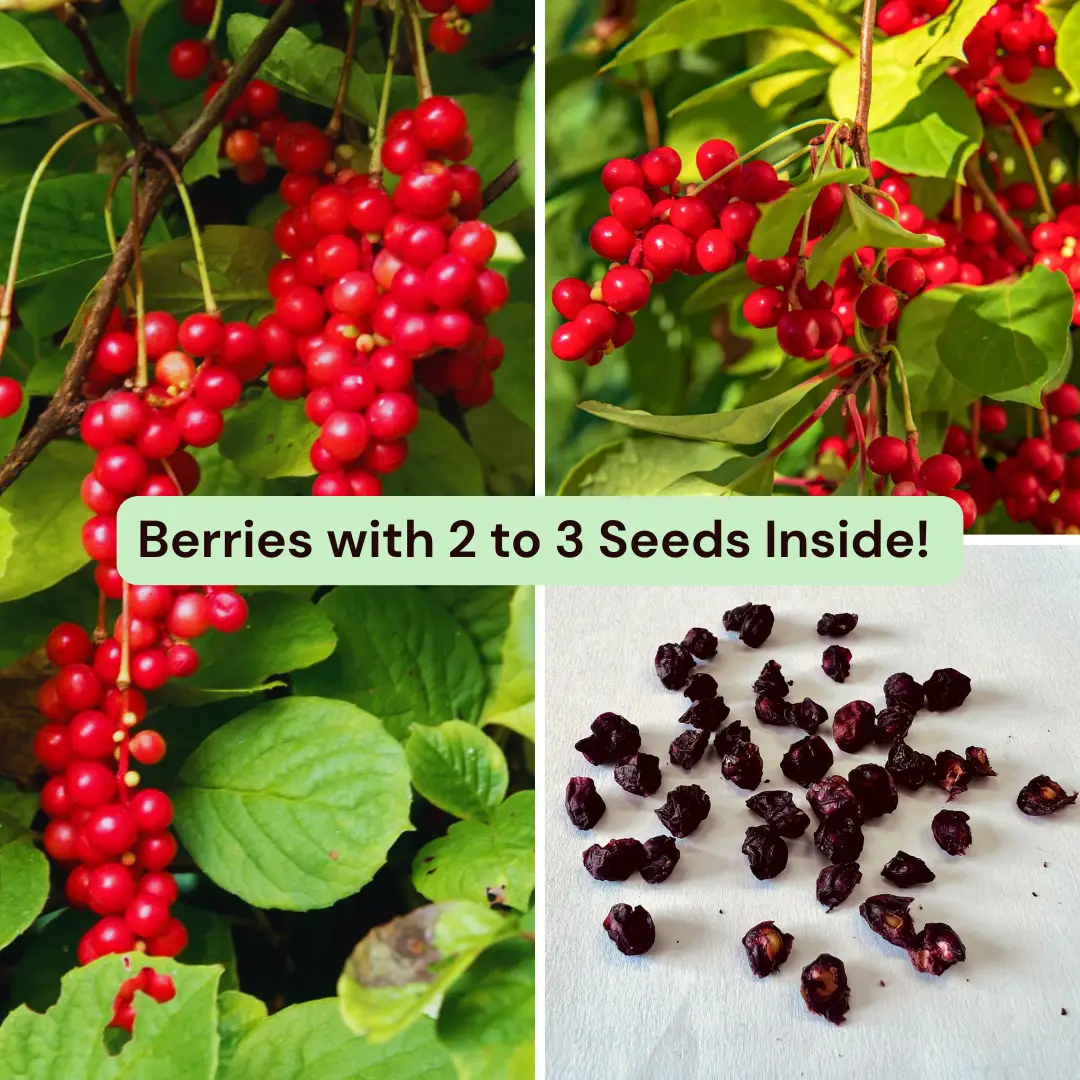
Growing Schisandra from seed is a medium-level commitment—rewarding, not complicated. The vine is deciduous, with lush dark green elliptic leaves that turn golden in autumn. In late spring, it produces delicate white-to-pale-pink cup-shaped flowers in drooping clusters with a sweet aroma; these flowers develop into the show-stopper: dense hanging clusters of smooth, shiny scarlet berries (5–10mm each) that appear in late summer through early fall. It’s ornamental AND medicinal—a dual-purpose beauty. The vine grows at a medium rate (1–2 feet per year) and can reach 25–30 feet with proper support. Plant in partial shade to full sun with rich, well-drained, humus-rich soil and consistent moisture (not waterlogged). It thrives in temperate to subtropical climates (USDA zones 4–8) and handles cool conditions well. One important note: Schisandra is dioecious, meaning you’ll need both male and female plants for fruit production, so plant at least two seeds or seedlings to ensure fruiting—but this is a small trade-off for such a powerful ally.
Grow Schisandra from seed and you’re planting resilience itself. You’re connecting to an ancient botanical legacy, nurturing a vine that will support your body through stress, energize your spirit, and offer beauty in return. In three to five years, those seeds become producing vines, and every crimson cluster becomes a small pharmacy of five flavors—sweet, sour, salty, bitter, and pungent—all in balance. This is medicine you grow with your own hands.
Only logged in customers who have purchased this product may leave a review.

Reviews
There are no reviews yet.