
Harvest hand-picked capers from your own garden. These legendary unopened flower buds—pickled, salty, tangy—transform every dish into something Mediterranean magical. This drought-tolerant, sun-loving shrub thrives on neglect, rewards you with months of stunning white blooms plus edible treasure. Grow from seed and taste the difference real capers make.
€1.92
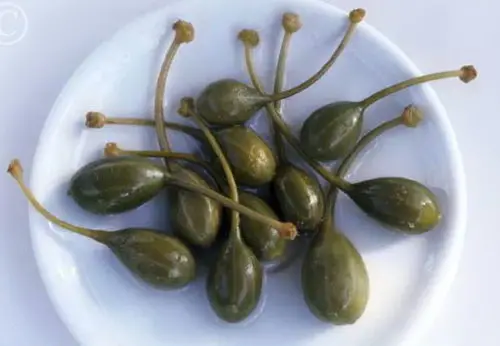
Capparis spinosa produces the little green flavor bombs we call capers. Imagine picking tiny jewels of pure umami straight from your garden—those prized capers that command premium prices in gourmet markets, now within reach from a single seed.
Native to the Mediterranean, this perennial shrub is most well-known for its culinary uses; both the tight flower buds and the fruits of the bush are edible. Capers have been used since antiquity as a piquant culinary ingredient, often used in Mediterranean cuisine, adding a distinctive tangy flavour to dishes. The flavor of the pickled flower buds has been described as mustard with black pepper. Whether you’re making caper butter for fish, adding them to pasta, or garnishing smoked salmon—these pickled buds are the ingredient that whispers “I cook with intention.”
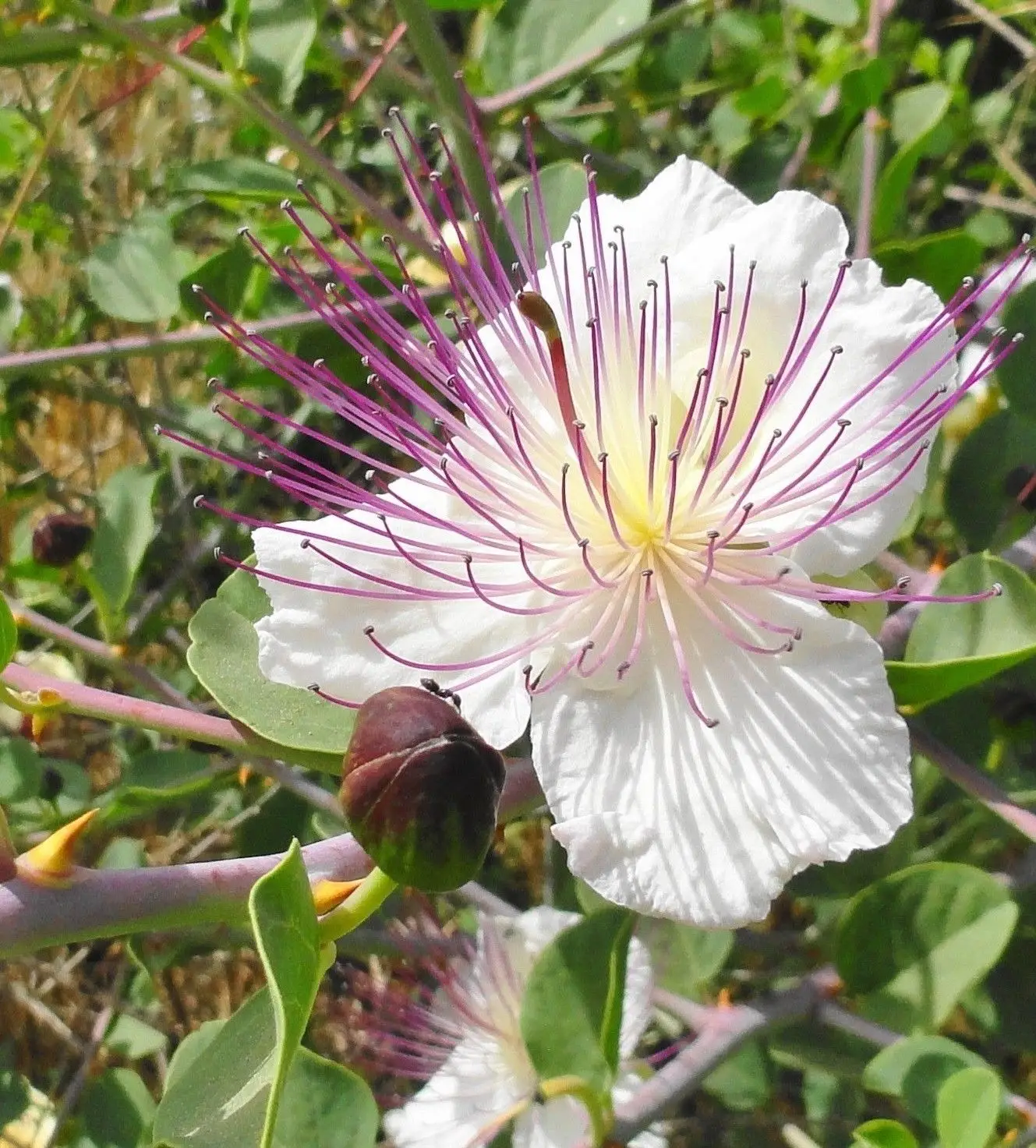
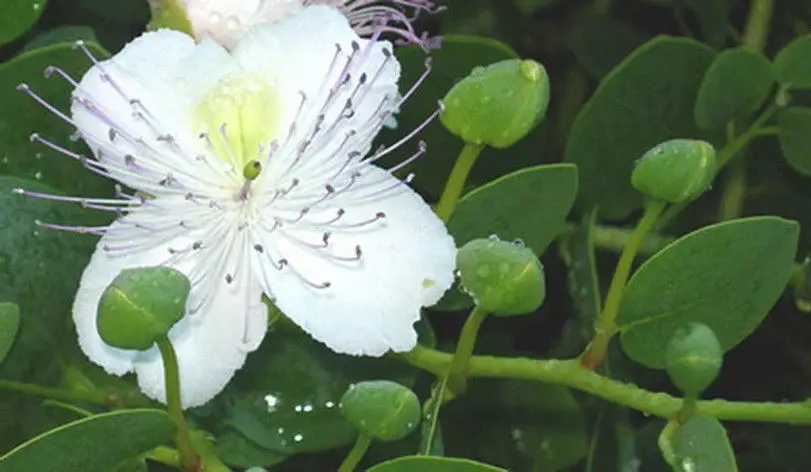
Flower buds are harvested in the early morning and then pickled, typically in white vinegar. But it’s more than just one harvest: flowers are produced continuously between late spring and late summer. The smaller the caper, the more prized it is in the culinary world—especially for dishes like lemon caper chicken and caper food garnishes. You’ll have an endless supply at your fingertips, year after year. The plant remains productive for approximately 30 years. As an ornamental bonus, the plant produces large, white to pinkish-white flowers with showy, fringed petals, flowers rich in nectar and pollen attract pollinators, including bees.
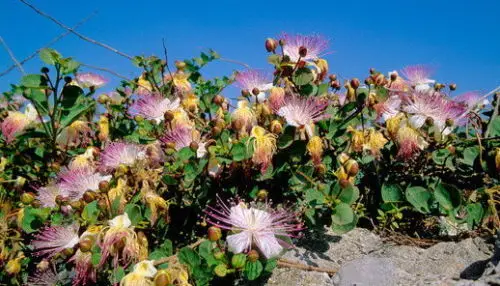
Cultivation is delightfully easy—this is where Capparis spinosa reveals its rebel spirit. Easily grown in lean, well-drained, dry to medium moisture soils in full sun. Established plants require little watering; avoid overwatering. Drought tolerant. Like olive trees, it thrives in well-drained, rocky soil. Hardy in USDA zones 8b-11; the plant dies to the ground in freezing temperatures and its roots die at 18°F. For container growers in colder climates, it’s best to grow it in a container and let it overwinter indoors. This is a plant that *wants* to be ignored in summer, rewards you with abundance, and asks almost nothing in return.
Grow Capparis spinosa from seed and join the Mediterranean harvest tradition. In just a few seasons, you’ll be the one reaching down to pluck sun-warmed capers, pickled by your own hand, destined for your finest dishes. This isn’t just gardening—it’s cultivating luxury on a hillside, cliff edge, or sunny border. Start from seed; transform your kitchen.
Only logged in customers who have purchased this product may leave a review.
Reviews
There are no reviews yet.