
Grow the legendary honey-producer that made beekeepers rich for centuries. Each mature Liriodendron tulipifera blooms deliver liquid gold: one tree yields 4 pounds of raw honey annually. Stunning yellow-green tulip flowers with orange hearts appear in spring; brilliant golden foliage ignites autumn skies. Fast-growing native giant reaches 60-90 feet, attracts hummingbirds and butterflies year-round. Deep, moist, fertile soil in full sun gets you there.
€1.92
Grow North America’s most magnificent honey tree from seed—and witness a living legend take root in your garden.
Liriodendron tulipifera, the American Tulip Tree, is the tallest deciduous hardwood on the continent, a native icon of eastern North America that has captivated cultures for millennia. Named for its stunning tulip-shaped flowers, this stately giant commands respect with its towering presence, pyramidal grace in youth, and broad canopy in maturity.
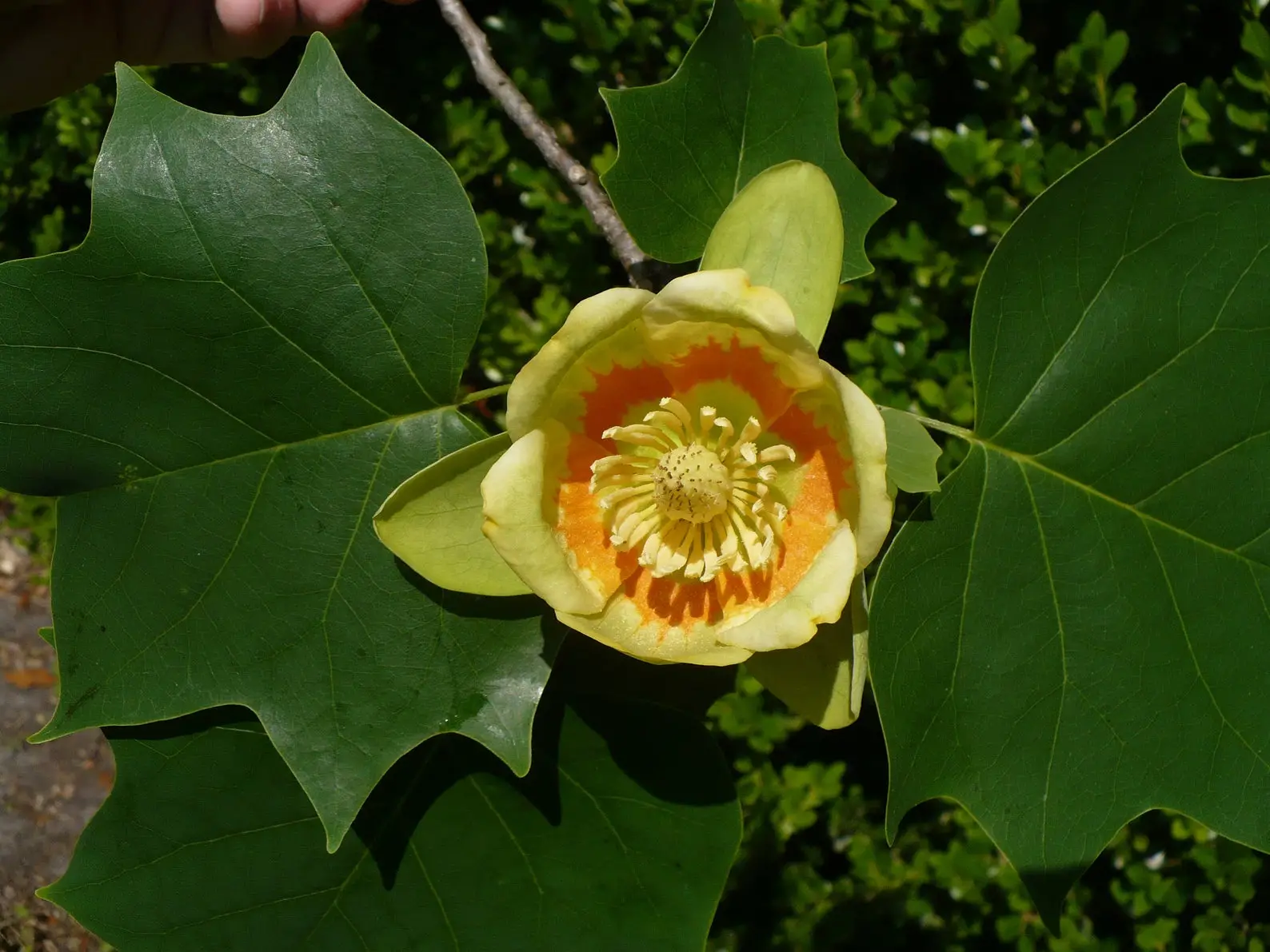
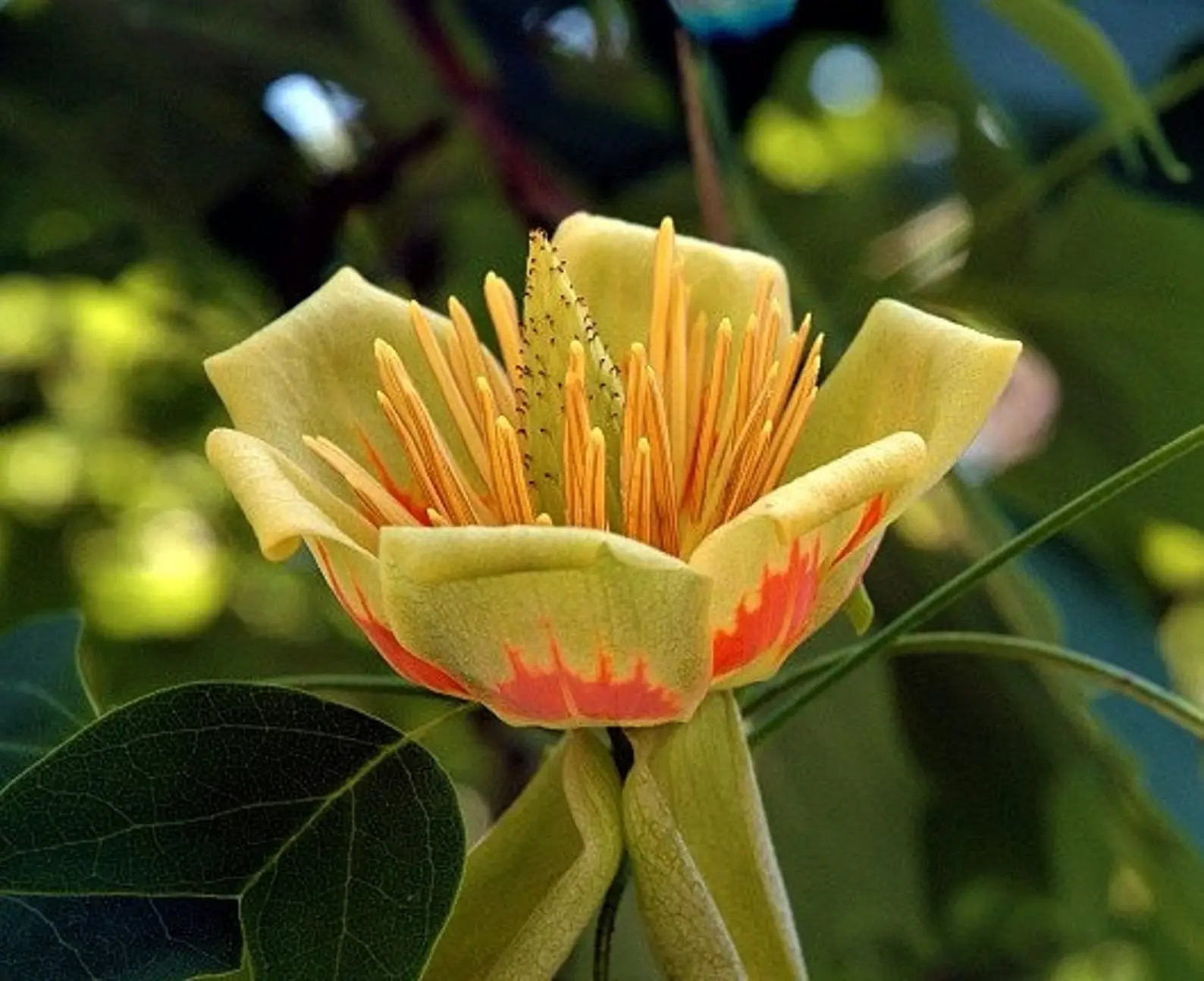
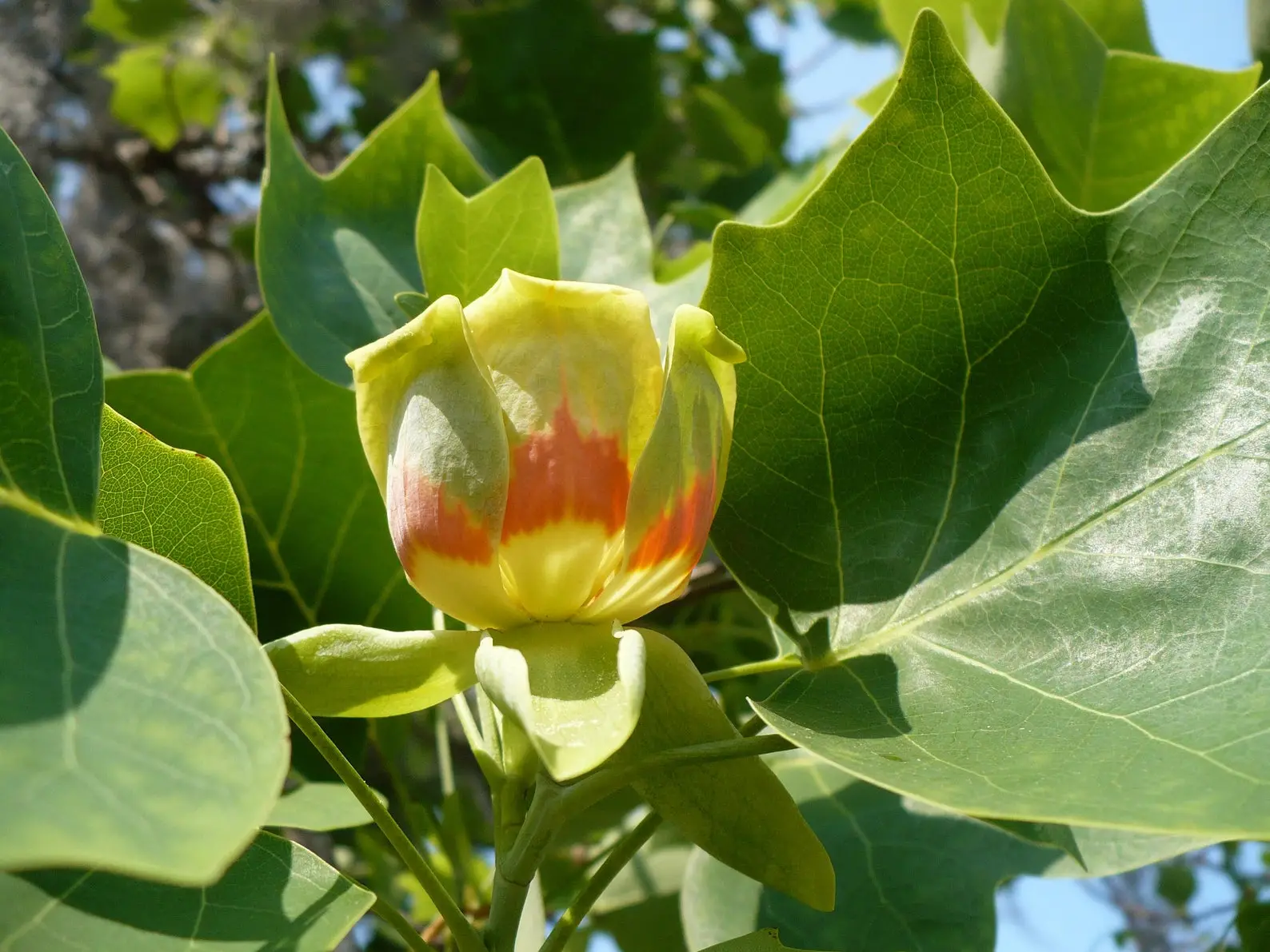
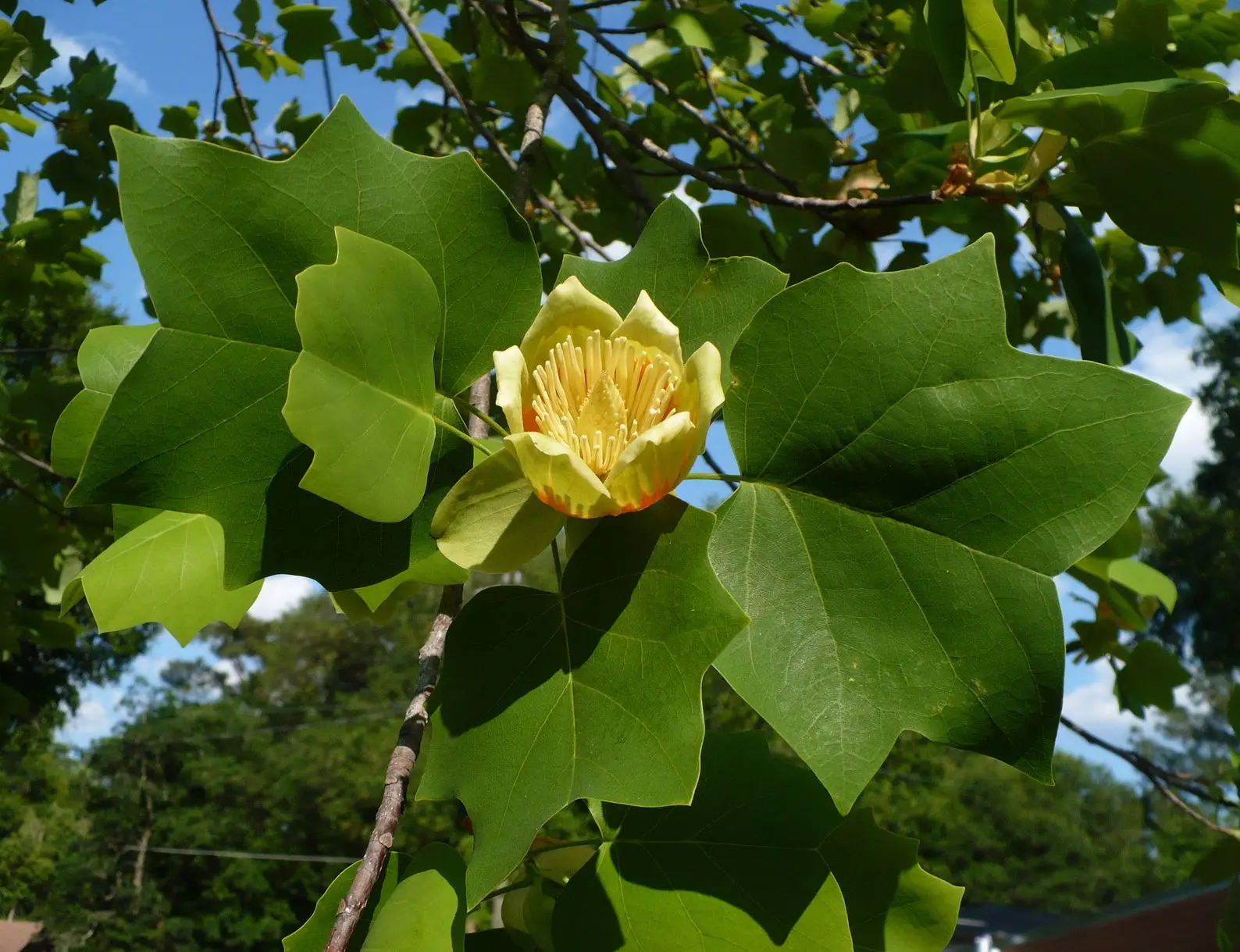
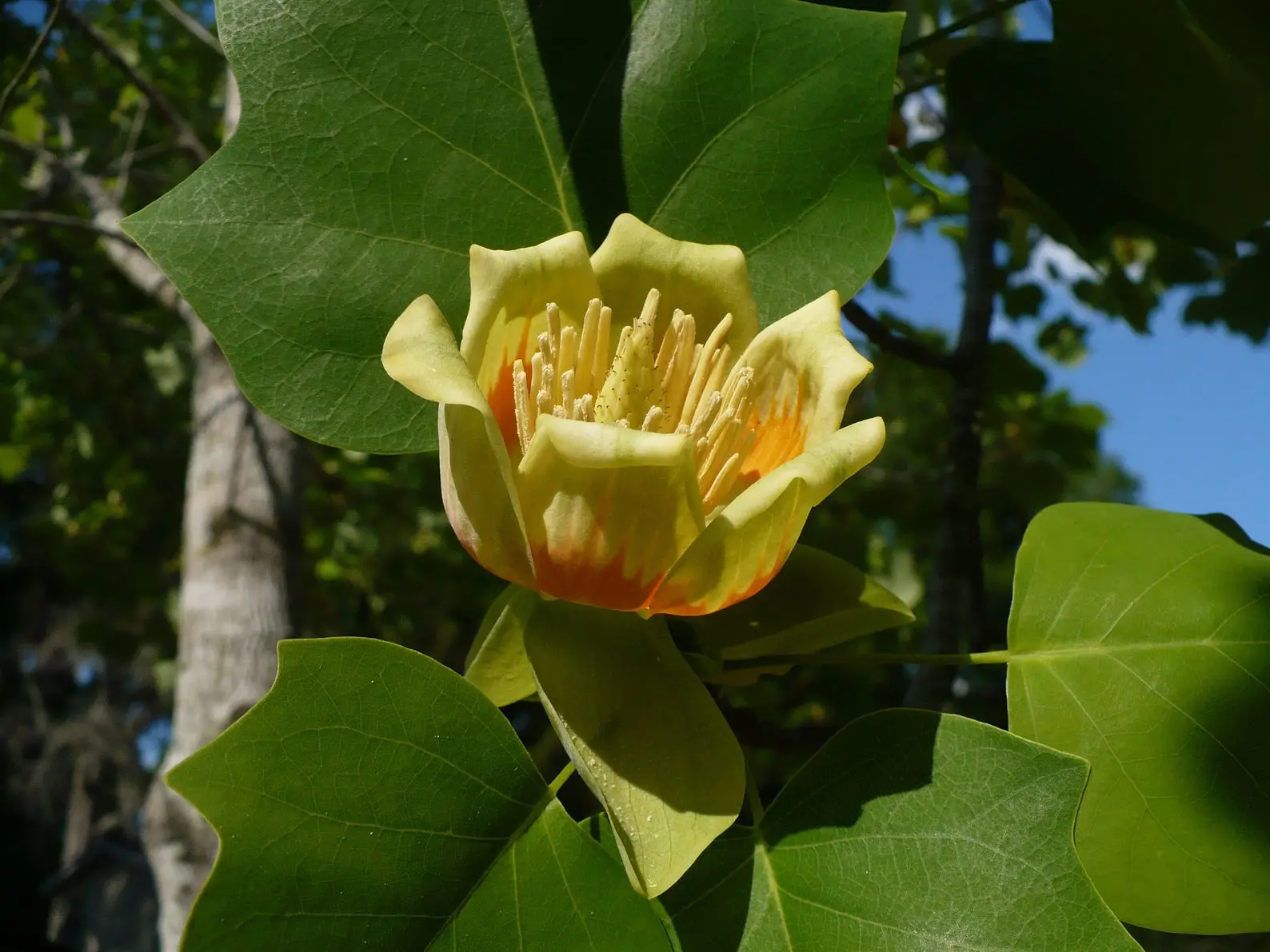
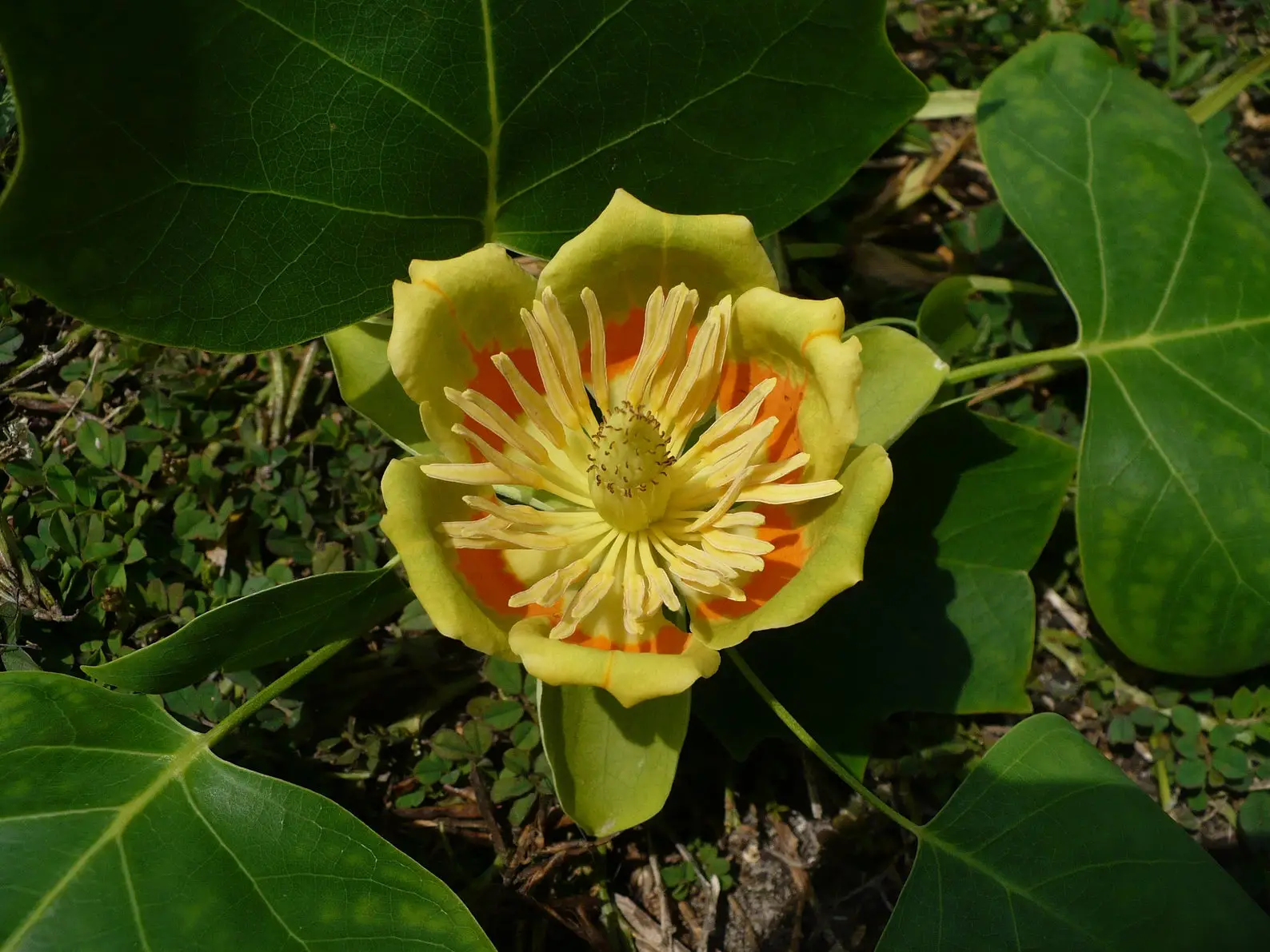
THE BEEKEEPER’S DREAM. Here’s what stops people in their tracks: one 20-year-old Tulip Tree’s flowers produce enough nectar to yield 4 pounds of pure, honey-flavored honey. This is not ornamental fluff—this is liquid productivity. The tree flowers prolifically each May-June for several weeks, filling the air with a subtle fragrance and drawing bees, butterflies, and hummingbirds in waves. Beekeepers have known this secret for centuries. Indigenous peoples valued the nectar so deeply they drank it directly from the blossoms. If you’re serious about supporting pollinators—or filling your own apiary jars—this is the genus that delivers. The flowers themselves are botanical masterpieces: large, cup-shaped, greenish-yellow petals with striking reddish-orange bands at the base, resembling delicate tulips suspended high in the crown.
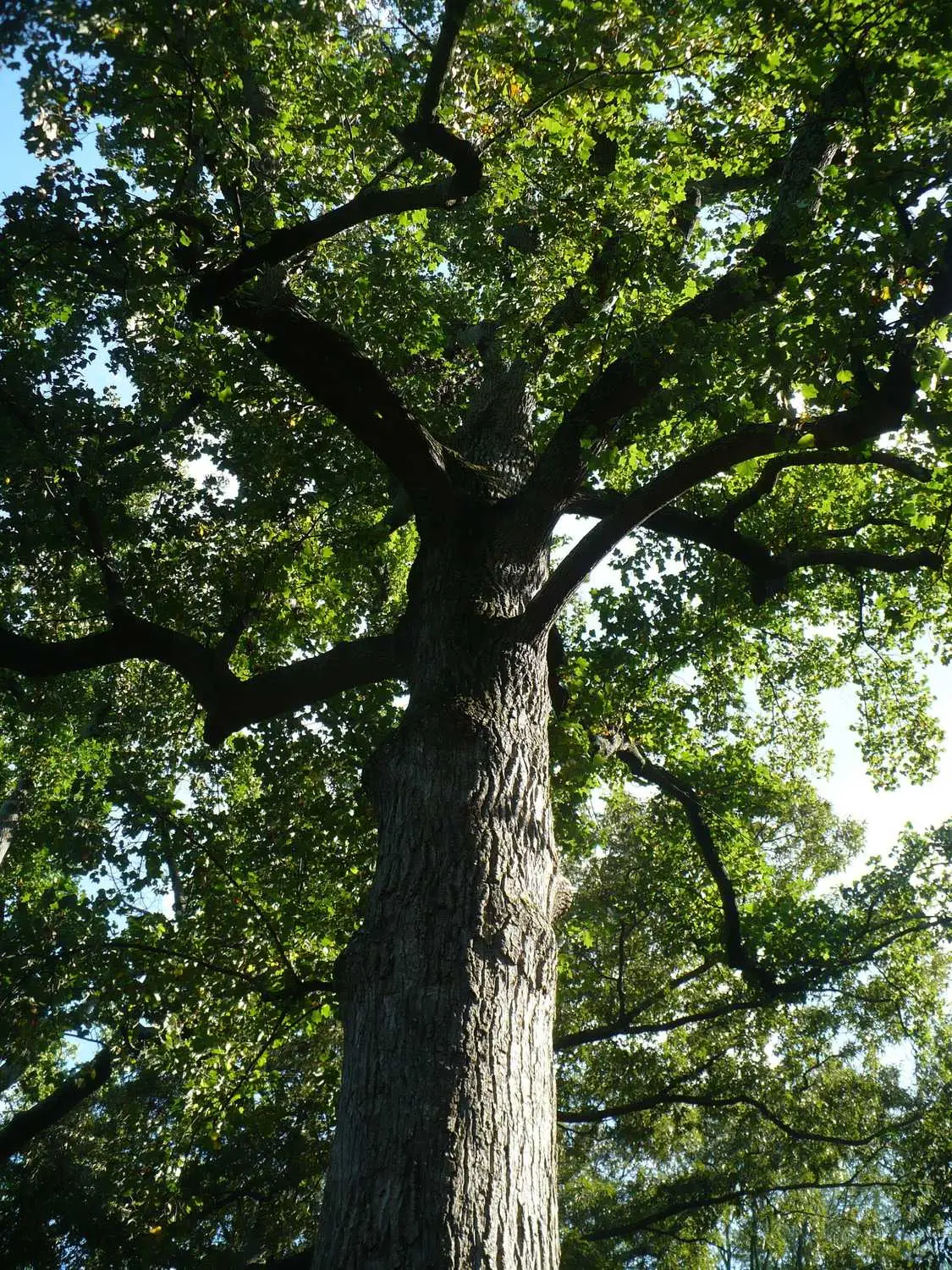
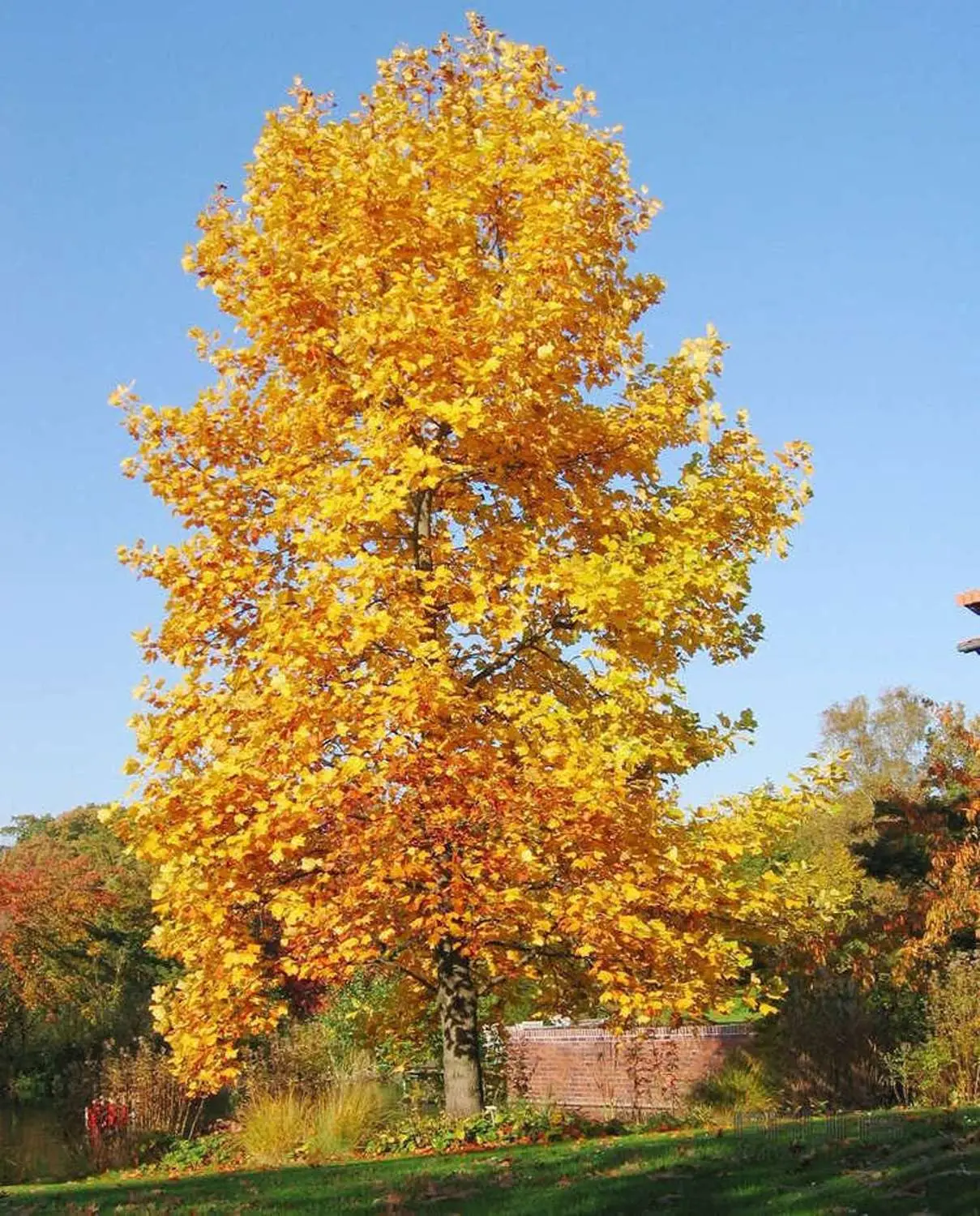
Growing this treasure is more rewarding than difficult. Liriodendron tulipifera thrives in full sun to partial shade, prefers deep, rich, moist, well-drained soil that’s slightly acidic, and is hardy to USDA zones 4–9. The tree’s growth rate is phenomenal: 2–3 feet per year in good conditions, making it one of the fastest-growing hardwoods on the continent. It’ll reach 60–90 feet at maturity, with a 30–50-foot spread, creating a magnificent shade canopy. Young trees naturally form a strong central leader and pyramidal silhouette; mature trees become rounded and noble. Fall color is outstanding—a brilliant, clear golden-yellow that lights the autumn sky. Even winter offers interest: the distinctive four-lobed tulip-shaped leaves are unique among North American trees, and the cone-like seed pods persist, adding textural drama to bare branches.
Starting from seed requires patience—this is the plant’s only real commitment. Seeds need 60–90 days of cold moist stratification (soak 12–24 hours, then refrigerate in moist medium). Sow in spring or fall, keep soil consistently moist but well-drained, and expect germination within 4–6 weeks. Seedlings grow rapidly—expect 60 cm in the first season alone, so use large containers. As they establish, they’ll reward you with vigorous, straight growth and the satisfaction of nurturing America’s most storied honey tree from seed.
This is more than a tree. This is a living legacy. Plant Liriodendron tulipifera from seed today, and in fifteen years, when your first blooms arrive, you’ll understand why Indigenous nations treasured it, why beekeepers seek it, and why it stands among the most magnificent natives ever to grace this continent. Grow the honey tree.
Only logged in customers who have purchased this product may leave a review.

Reviews
There are no reviews yet.